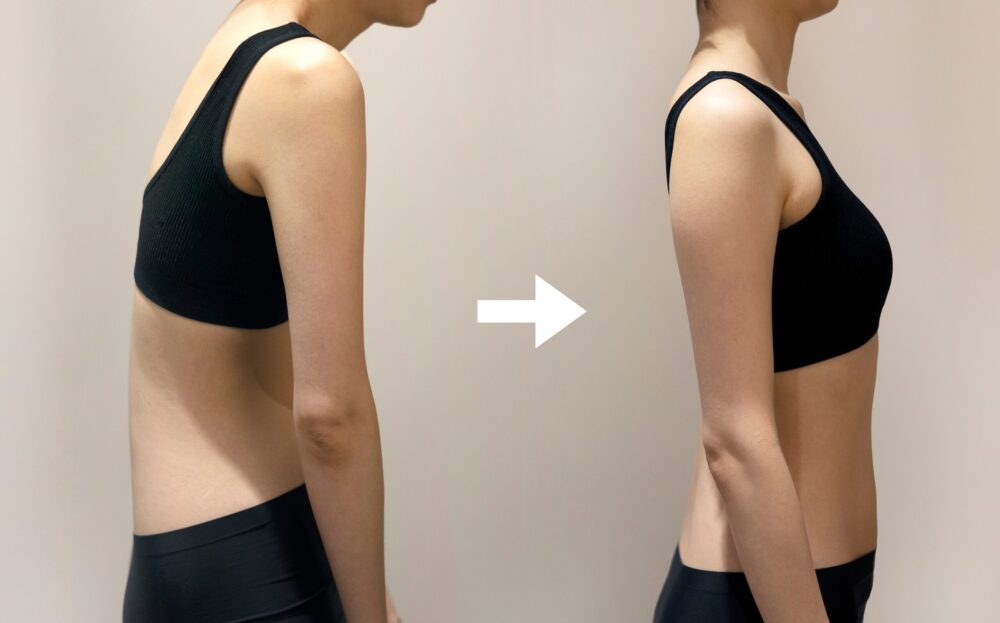
Posture is frequently treated as a cosmetic concern, something advertisements exploit with promises of instant correction and something most people associate only with back pain. The clinical reality is considerably more significant. Chronic misalignment of the musculoskeletal system, the cumulative effect of sustained positions that load joints and tissues in ways they are not designed to sustain for extended periods, produces a cascade of structural and neurological changes that extends well beyond back pain into fatigue, breathing efficiency, headache frequency, and mood regulation.
The spine is designed for dynamic movement across a wide range of positions. Sustained static loading in any single position creates compressive forces on spinal discs, shortens specific muscle groups while lengthening and weakening their opposing muscles, and alters the proprioceptive feedback the nervous system relies on for efficient movement coordination. The fundamental posture problem most people face is not exclusively incorrect alignment. It is too much sustained alignment of any kind without adequate movement to distribute the mechanical load across the tissues that bear it.
What prolonged sitting does to posture and the body
Extended periods of sitting in a flexed hip position shortens hip flexors, inhibits gluteal activation, and creates a pattern of anterior pelvic tilt that loads the lumbar spine in extension. This pattern, sustained for the hours that sedentary work demands, progressively tightens the hip flexors, weakens the deep spinal stabilizers, and produces the chronic lower back discomfort that affects a large proportion of adults in desk based occupations.
The upper body effects of prolonged seated screen use are equally significant. Forward head position, in which the head sits anterior to the shoulders rather than balanced directly above them, increases the effective load on the cervical spine dramatically with each inch of forward displacement. This sustained loading on the neck extensors produces the headaches, neck pain, and upper back tension that many people manage with medication rather than addressing the structural posture cause.
What the evidence says about posture correction
The evidence base for correcting alignment problems favors movement variety and targeted strengthening over passive correction devices or prolonged maintenance of any single aligned position. Breaks from sitting every thirty to forty five minutes, even for two to three minutes of movement, measurably reduce the cumulative tissue loading that sustained posture produces. Strengthening the deep cervical flexors, thoracic extensors, and gluteal muscles restores the active structural support that allows the skeleton to sustain efficient alignment without conscious effort.
Ergonomic adjustments to workstations reduce mechanical loading on the spine but do not eliminate the fundamental problem of sustained static position. A workstation chair, however well configured, is still a chair, and sitting in it for six consecutive hours produces the same cumulative tissue consequences as any other chair would. Movement is the intervention that ergonomics alone cannot deliver, and posture reminders without movement breaks produce limited lasting benefit. The most effective ergonomic investment is therefore one that builds movement breaks into the work day as a structural habit rather than relying on memory or willpower to interrupt sedentary patterns.
Why breathing and posture are connected
The diaphragm, the primary breathing muscle, is mechanically coupled to spinal position through its attachments to the lumbar vertebrae. Chronic anterior pelvic tilt and thoracic flexion reduce the mechanical efficiency of the diaphragm, promoting compensatory breathing patterns that use accessory muscles in the neck and shoulders. This pattern sustains the muscular tension in the upper body that contributes to neck pain and headaches, creating a cycle in which poor alignment impairs breathing and impaired breathing perpetuates poor alignment.
Addressing both through movement variety, targeted strengthening, and diaphragmatic breathing practice produces more complete resolution of chronic pain patterns than addresƒsing either in isolation. Good structural alignment is not a static achievement. It is an ongoing movement practice, and people who understand that distinction rather than searching for a single corrective fix are the ones who make lasting progress over time.