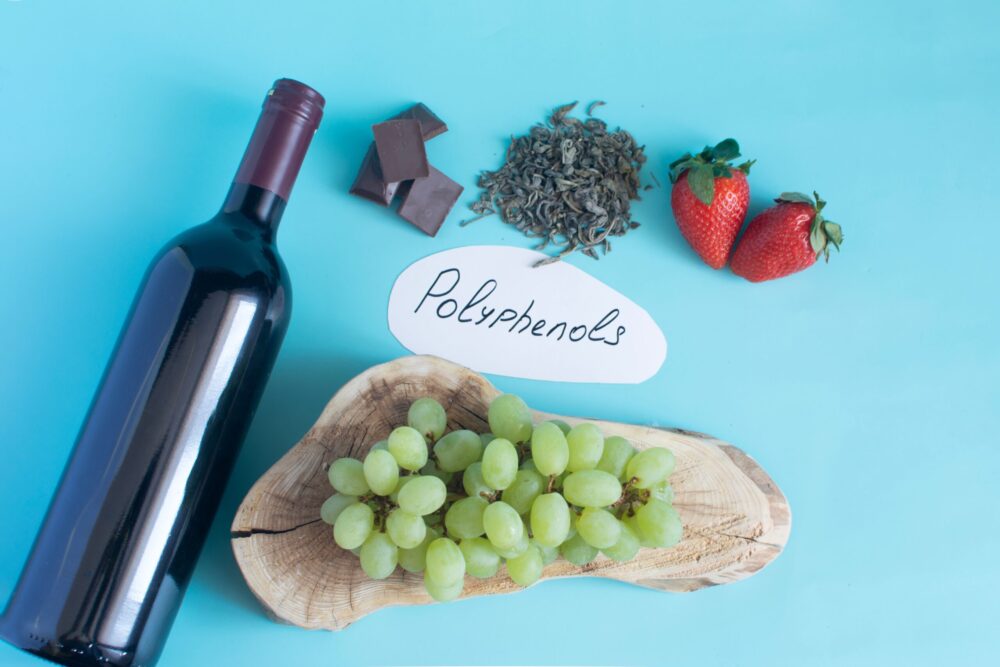
Polyphenols are among the most studied compounds in nutritional science right now, and they are finally getting the mainstream attention that decades of research have earned. These naturally occurring plant substances, found in foods like berries, dark leafy greens, extra-virgin olive oil, green tea, dark chocolate, and legumes, work through mechanisms so varied and so fundamental to cellular health that researchers are increasingly describing them as among the most powerful food-based tools for disease prevention available to anyone with access to a grocery store.
The interest in these compounds is not a wellness trend in the conventional sense. It is an extension of a body of research that has been building for years across multiple disciplines, from cardiovascular medicine to neuroscience to oncology to gut health. What has changed is the cultural moment. People are moving away from fad diets and isolated supplements and toward a more sophisticated understanding of how food interacts with the body at a cellular and molecular level. This class of plant nutrients sits at the center of that shift.
How polyphenols work inside the body
The mechanisms through which these compounds exert their effects are multiple and interconnected. At their most fundamental, they act as antioxidants, neutralizing the free radicals that contribute to cellular damage and accelerated aging. But their role extends well beyond antioxidant activity. Polyphenols modulate inflammatory signaling pathways, influence gene expression, support the integrity of the gut microbiome, and interact with hormonal and immune systems in ways that single nutrients rarely do.
The gut microbiome connection is particularly significant. Many polyphenols are poorly absorbed in the upper digestive tract and reach the colon largely intact, where they become fuel for beneficial bacteria. Those bacteria metabolize polyphenols into bioactive compounds that support everything from intestinal barrier integrity to systemic inflammation control to mood regulation through the gut-brain axis. Eating more of these foods is, in a very real sense, feeding the ecosystem that governs a large portion of overall health.
Which foods deliver the most polyphenols
The richest dietary sources tend to be the most deeply pigmented plant foods. Wild blueberries, blackberries, and pomegranate seeds carry extraordinarily high polyphenol concentrations. Extra-virgin olive oil, particularly high-phenolic varieties, delivers oleocanthal, a compound with anti-inflammatory properties comparable in mechanism to ibuprofen at typical dietary doses. Green and black teas are among the most consistent sources of catechins, a class of polyphenol with strong cardiovascular and metabolic research behind them.
Cruciferous vegetables like broccoli and red cabbage, walnuts, flaxseeds, and even dark chocolate above 70 percent cacao contribute meaningful polyphenol intake. The key insight is variety. Different polyphenols act through different pathways, and a diet rich in diverse plant sources delivers a broader spectrum of protective mechanisms than any single superfood could provide alone.
Why these compounds matter for aging and inflammation
Chronic low-grade inflammation is now understood to underlie most of the major diseases associated with aging, including cardiovascular disease, type 2 diabetes, neurodegeneration, and several cancers. Polyphenols interrupt inflammation at multiple points in its signaling cascade, making them among the most broadly applicable dietary tools for reducing the biological processes that accelerate chronic disease. The research on populations with exceptional longevity consistently finds that polyphenol-rich diets are among the most common dietary features across long-lived groups worldwide.
What this means for how you build your plate
Adding polyphenols to the diet does not require a dramatic overhaul. It requires a deliberate shift toward more deeply colored plant foods, greater variety in produce choices, and genuine attention to quality in specific items like olive oil and tea, where the difference between standard and high-quality versions is biologically meaningful. These are not expensive or exotic changes. They are accessible ones, and the cumulative effect of making them consistently is supported by some of the most robust nutritional research currently available. The plate has always been a form of medicine. Plant compounds like these are among its most compelling active ingredients.