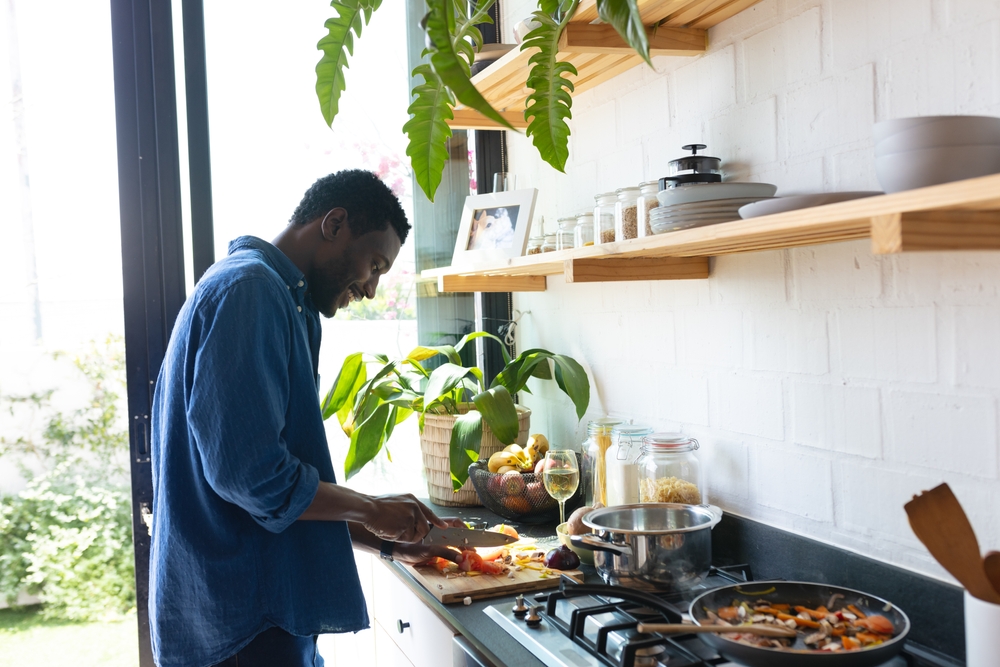
There is something quietly powerful happening in kitchens across the country. More people are reaching for cutting boards instead of drive-thru menus, and the results — physical, mental, and financial — speak for themselves. When it comes to what truly fuels the body, where that food comes from matters more than most people realize. The choice between a home-cooked meal and a fast-food run is no longer just about convenience — it is about long-term well-being.
Why Home-Cooked Food Changes Everything
Preparing meals at home puts control back in the cook’s hands. Every ingredient is a choice — how much oil, how much salt, what goes in and what stays out. That level of control is something no drive-thru window can offer. Studies have consistently shown that people who cook more frequently at home consume fewer calories, less sodium, and significantly less saturated fat than those who rely on fast food several times a week.
Home-prepared meals also tend to include more whole ingredients — fresh vegetables, legumes, lean proteins, and whole grains — that support long-term health in ways that heavily processed options cannot replicate. The body knows the difference, and over time, so does everything from energy levels to sleep quality. Better ingredients mean better outcomes, and that starts with what gets put on the stove.
The Real Cost of Fast-Food
Fast-food is often marketed as the affordable, convenient option — but that math does not always hold up. Consider what a family of four spends on takeout compared to a home-cooked dinner made from scratch. The numbers shift quickly in favor of the kitchen.
Beyond the wallet, the health cost of a fast-food-heavy diet adds up even faster
- High sodium content contributes to elevated blood pressure over time
- Excess sugar in sauces, drinks, and buns drives blood sugar spikes
- Trans fats and processed oils increase inflammation in the body
- Low fiber content leaves the digestive system underserved
- Artificial additives have been linked to long-term metabolic disruption
None of this means fast-food is entirely off the table — but making it the default rather than the occasional choice carries real consequences that are hard to reverse.
The One Area Where Fast-Food Wins
Speed. On a long workday or a chaotic evening, a ready-made meal is hard to argue with. Chains have also made strides in offering lighter menu options, though the core offerings remain heavily processed and calorie-dense. Still, with the right planning, a wholesome home-cooked food meal can be on the table in 30 minutes or less — making convenience far less of an excuse than it used to be.
Simple Swaps That Make Home Cooking Stick
Switching does not have to be overwhelming. Small, consistent changes build lasting habits around food that actually serve the body
- Meal prep on Sundays to have ready-to-go options during the week
- Keep a stocked pantry with staples like rice, canned beans, olive oil, and spices
- Choose sheet pan or one-pot recipes that cut down on cleanup
- Batch-cook proteins like grilled chicken or baked fish to stretch across multiple meals
- Replace one takeout night a week with a 20-minute stir-fry or pasta dish at home
A Return to Something Real
Food is culture. It is community. It is one of the most direct ways people take care of themselves and the ones they love. When that food is made at home — seasoned by familiar hands, shared around a familiar table — it carries something no drive-thru bag ever could. The shift back to the kitchen is not just a wellness trend. It is a reclamation of something deeply personal, and the body — and the spirit — are better for it.
Fast-food will always have its place, but it should never have the lead role. The kitchen — and the nourishing food that comes out of it — deserves that spot.