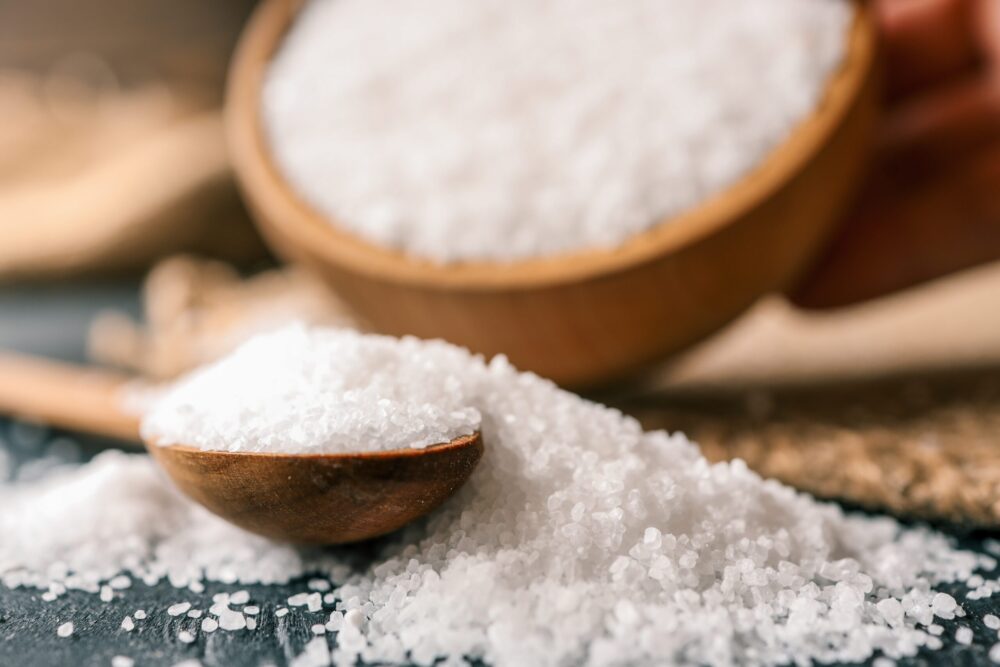
Chips, jerky, ramen, nachos, pickles, if it feels like your body is relentlessly pulling you toward salty food, you are not imagining it. Salt cravings are real, and more often than not, they are your body’s way of flagging something that deserves your attention. Nutrition experts broke down the most common culprits behind sodium cravings and shared their best practical fixes for each one.
7 reasons you’re always craving salty foods
You are under stress
When stress hits, the body releases hormones that ramp up hunger and those hormones tend to steer you specifically toward salty, processed comfort foods.
The fast fix: Reach for nuts instead. They satisfy the urge to crunch while also delivering real nutritional value. Research published in the Journal of Nutrients found that options like peanuts, pistachios, macadamias and walnuts can help dampen the body’s stress response and lower stress hormone levels.
You are going through hormonal changes
For women navigating premenstrual symptoms or menopause, hormonal shifts can drive up appetite and intensify cravings for salty foods. Many sodium cravings in women over 50 trace back to changes in adrenal gland output that occur during and after menopause.
The fast fix: Instead of adding more salt, try layering umami rich and acidic ingredients onto your food. Things like lemon juice, vinegar, miso and nutritional yeast create savory depth that can satisfy your palate without the extra sodium.
Your thirst signals have weakened
As people age, the body’s ability to accurately signal thirst becomes less reliable. What registers as a food craving particularly for salt may actually be mild dehydration in disguise.
The fast fix: Drink a full glass of water before eating. Research from Virginia Tech found this approach leads older adults to want meaningfully less food overall. Many people see salt cravings drop noticeably within a few days of maintaining consistent hydration throughout the day.
You have been sweating more than usual
Sodium is an essential electrolyte the body needs to function, and when levels dip, cravings for salty food follow naturally. If your urge for salty snacks has coincided with a new exercise routine or a stretch of hot weather, your body may simply be trying to replace what it has lost through sweat.
The fast fix: Reach for a low sugar electrolyte drink whenever you are perspiring heavily. A formula that includes sodium alongside other electrolytes tends to restore balance more effectively than water alone.
You have gotten hooked on ultra processed foods
Ultra processed foods are engineered to hit a precise combination of salt, sugar and fat designed to keep you coming back for more a phenomenon researchers refer to as the bliss point. The more of these foods you eat, the more your brain learns to expect that level of stimulation.
The fast fix: Add fermented foods like yogurt, kefir, sauerkraut or kimchi to your daily routine. Probiotics may help counteract the craving driving effect of processed meals. Consistently cutting back on sodium over four to eight weeks can recalibrate your palate so that less salt becomes enough to feel satisfying.
You are not sleeping well enough
Poor sleep is directly tied to stronger and more frequent food cravings, particularly for high salt, high satisfaction options. The connection between sleep quality and what you reach for the next day is well established in nutrition research.
The fast fix: Eat a potassium rich dinner. A higher potassium intake in the evening is linked to better sleep quality, according to a recent study in Nutrients. Foods like bananas, potatoes, beans and salmon are solid sources. Switching to a lite table salt enriched with potassium chloride, which can meaningfully reduce sodium intake without changing your cooking habits.
Your body may need a medical check
In rare cases, intense and persistent salt cravings can point to an underlying health condition. Addison’s disease, which causes low blood pressure, can trigger strong urges for sodium as the body attempts to compensate. Other rare causes include Bartter syndrome, a genetic kidney condition, and cystic fibrosis, a genetic lung condition.
The fast fix, If your cravings are unusually intense or do not respond to lifestyle changes, bring it up with a health care provider to rule out anything that warrants medical attention.
The bigger picture on salt cravings
Salt cravings are rarely random they are your body sending a message worth listening to. Whether the cause turns out to be stress, hormones, dehydration or sleep, there is a practical fix for each one. With the right adjustments, feeling more in control of your sodium intake is entirely within reach.