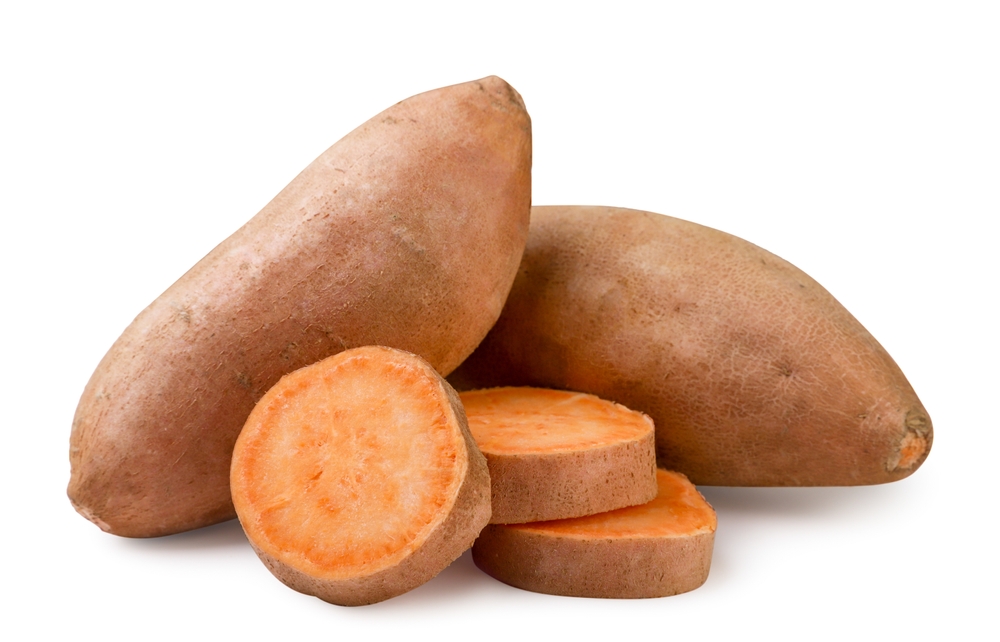
Sweet potatoes show up in kitchens in nearly every form imaginable. Roasted until caramelized, mashed with butter, baked whole, or fried into wedges, they adapt well to almost any cooking approach. Boiling tends to get overlooked in that lineup, treated as the bland option rather than the smart one. The nutritional case for boiling, however, is stronger than most people realize.
The glycemic index gap is significant
All potatoes are starchy vegetables, but sweet potatoes have a lower glycemic index than white potatoes, which already makes them a better option for people managing blood sugar. The glycemic index runs from 0 to 100 and measures how quickly a given food raises blood glucose levels after eating. Boiled sweet potatoes fall in the range of 41 to 50 on that scale. Roasted sweet potatoes land between 79 and 94.
That gap is not trivial. A lower glycemic index means a slower, more gradual rise in blood sugar rather than a sharp spike followed by a crash. For anyone monitoring glucose levels or simply trying to maintain steadier energy throughout the day, that difference has real practical implications.
The reason the numbers diverge so sharply between cooking methods comes down to moisture. When sweet potatoes roast or bake, they lose water, which concentrates their natural sugars in the remaining flesh. The effect is similar to what happens when grapes dry into raisins. Boiling works in the opposite direction. The potato absorbs water during cooking, which dilutes the sugar concentration and keeps the glycemic response lower.
What boiling does for the nutrients
Sweet potatoes contain two categories of antioxidants worth paying attention to. Anthocyanins, which appear in purple-fleshed varieties, help the body manage inflammation and oxidative stress and have been linked in research to improved insulin sensitivity. Carotenoids, responsible for the orange color in more common varieties, serve as a precursor to vitamin A and support eye health and immune function.
Boiling helps make both of these compound groups more accessible. The heat breaks down the cell walls of the potato, releasing antioxidants in a form the digestive system can absorb more readily. Roasting at high temperatures can degrade some of these compounds before they reach the body at all.
Boiling also increases the resistant starch content of sweet potatoes. Resistant starch behaves more like dietary fiber than a digestible carbohydrate. It passes through the small intestine largely intact and feeds beneficial bacteria in the gut, supporting the kind of microbiome diversity that researchers increasingly associate with broader health outcomes. Boiled sweet potatoes are also easier on digestion generally, since the softer starches require less work to break down.
From a fat standpoint, boiling requires no oil, which means the finished product is naturally lower in saturated fat than roasted or fried preparations. For people paying attention to cardiovascular health, that is another point in boiling’s favor.
How to do it well
Leaving the peel on during boiling preserves the nutrients concentrated just beneath the skin. Scrubbing the outside thoroughly before cooking handles the cleanliness concern without sacrificing that nutritional layer. Cutting sweet potatoes into one-inch rounds rather than boiling them whole speeds up cooking and promotes more even texture throughout.
A reliable method is to simmer the rounds in water with the lid on for about 20 minutes, then remove the lid for a final 10 minutes to finish. The result is tender without being waterlogged.
From there, boiled sweet potatoes move easily into almost any preparation. Tossed with olive oil, garlic and herbs they work as a straightforward side. Mashed with coconut milk and a pinch of turmeric they become something more interesting. Folded into a warm salad with lentils and arugula and dressed with apple cider vinegar and mustard, they hold their own as a full meal.
The cooking method is simple. What it does for the food is not.