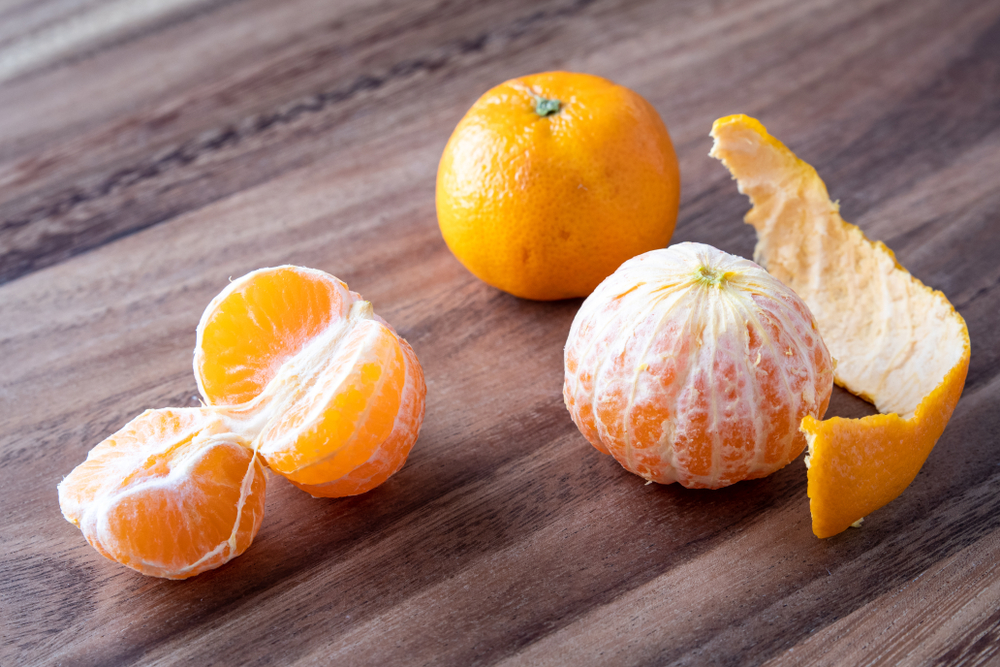
Most people peel an orange and pull away the white fibrous layer underneath also known as the Pith without giving it a second thought. The texture is spongy, the taste is bitter, and the instinct is to get rid of it as fast as possible. That layer has a name. It is called the albedo, and it makes up roughly a quarter of the entire fruit.
Pith is not unique to oranges. Lemons, limes, grapefruits and pomelos all carry the same white layer between the peel and the flesh. What they share is a composition built primarily around fiber, specifically cellulose and pectin, alongside a concentration of plant compounds that the juicy interior does not replicate at the same levels.
The fiber case is straightforward
Orange pith contains both soluble and insoluble fiber, and each type does something different in the body. Insoluble fiber adds bulk to stool and supports regular digestion. Soluble fiber, particularly pectin, absorbs water in the digestive tract and forms a gel-like substance that slows digestion, which helps moderate blood sugar spikes after meals and supports lower cholesterol levels over time.
The fiber content in pith is, by most nutritional measures, more concentrated than what the flesh provides. Eating the segments without the pith means getting the sugar and the vitamin C while leaving behind a meaningful portion of the fruit’s digestive benefit.
Antioxidants are where pith pulls further ahead
Published research on citrus flavonoids consistently finds higher concentrations of these compounds in the pith and outer peel than in the flesh itself. Hesperidin, a flavonoid found in meaningful quantities in orange pith, has been studied for its association with cardiovascular health and anti-inflammatory effects. Beta-carotene, a carotenoid also present in pith, is linked in the research literature to protection against age-related macular degeneration and oxidative cellular damage.
The flesh of an orange delivers vitamin C effectively. The pith delivers a different nutritional profile, one that is heavier on fiber and flavonoids and lighter on the simple sugars that make the flesh taste the way it does.
Vitamin C and other micronutrients
Most of an orange’s vitamin C sits in the flesh, but the pith contributes a smaller supplementary amount. Vitamin C supports collagen production, immune function and protection against oxidative stress. The pith also contains modest amounts of potassium, which plays a role in blood pressure regulation, though not at levels that would make it a primary source of either nutrient.
The nutritional argument for pith is not that it replaces what the flesh provides. It is that it adds something the flesh does not.
The pesticide consideration
Citrus fruits are among the more heavily treated crops when it comes to pesticide and fungicide application. Residues tend to accumulate in the outer peel rather than in the pulp or pith, and washing the fruit before eating reduces surface exposure. Peeling the fruit removes the majority of residue contact, which is a reasonable consideration for anyone eating the pith regularly, particularly with conventionally grown fruit. Choosing organic citrus removes most of that concern at the source.
Whether it is worth eating
The honest answer is that it depends entirely on whether the bitterness is something a person can tolerate. Eating pith whole alongside the segments is the most direct way to capture its fiber and antioxidant content. It can also be blended into smoothies, where the bitterness gets absorbed into other flavors, or used in cooking where citrus pith is a recognized ingredient in marmalades and certain braised dishes.
Nobody needs to eat orange pith to have a nutritious diet. But discarding it reflexively, purely out of habit, means leaving behind fiber and plant compounds that the rest of the fruit simply does not contain.