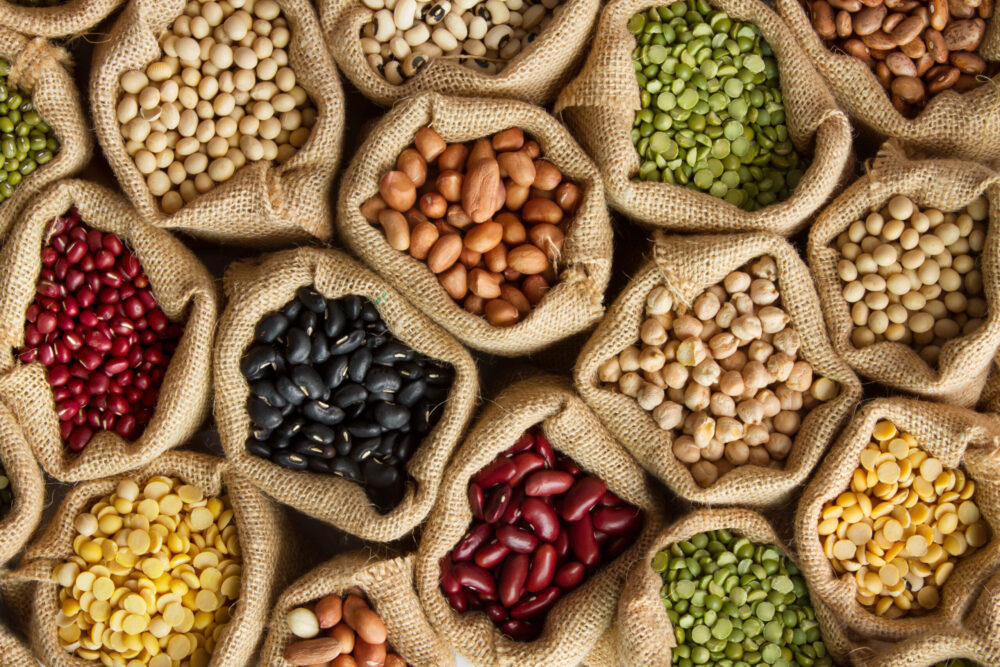
If your social media feed has been flooded with videos of people eating beans straight from the can, you’re not imagining things. A growing food trend dubbed BeanTok has taken over platforms like TikTok, with users enthusiastically advocating for eating two cups of beans roughly the equivalent of one standard can every single day. Proponents claim the habit transforms their health, with some going as far as treating beans as a daily remedy.
But what does the science actually say? And do you really need two full cups to see results? A registered dietitian weighed in with some grounded perspective, what eating beans every day genuinely does for your heart.
The real reason beans deserve a spot on your plate
A registered dietitian breaks down the viral BeanTok trend and explains what regularly eating beans can and cannot do for your health. According to the registered dietitian, there’s something appealing about the specificity of the two cup target it gives people a clear, actionable goal. But the good news is that you don’t necessarily need to hit that exact number to start benefiting. Any meaningful increase in bean consumption can make a positive difference, largely because beans contain compounds that directly support both heart health and digestion.
The digestive benefits come down to fiber. All beans whether black beans, chickpeas, kidney beans or cannellini are rich in it, along with protein and iron, making them one of the more nutrient complete plant foods available. They are the ultimate proven superfood of 2026. For heart health, the advantage lies in what beans lack as much as what they contain. They’re naturally low in saturated fat, which means they support cardiovascular health as long as they’re prepared with minimal added oils. Methods like stewing or braising are ideal for keeping them heart-friendly without sacrificing flavor.
Not everyone needs the same amount
While is agreed that most people would benefit from eating more beans, she stops short of prescribing the two cup benchmark as a universal rule. A more flexible and sustainable approach, she suggests, is to focus on variety rather than volume. Rotating through different types of beans instead of fixating on a single kind or hitting a specific daily quota tends to offer broader nutritional benefits and is easier to maintain long term.
Beyond the expert perspective, social media users have also credited daily bean consumption with aiding weight loss and easing symptoms of perimenopause and menopause. Those are significant claims, and while beans do contain compounds like phytoestrogens that have been studied in relation to hormonal health, those specific benefits were not addressed in commentary and deserve careful, individualized consideration.
A few things to keep in mind before going all in
For most people, gradually increasing bean intake is safe and worthwhile. But dramatically ramping up consumption too quickly can lead to bloating and digestive discomfort, particularly for those whose diets haven’t traditionally included much fiber. The key is moderation and a gradual approach, giving the gut time to adjust.
It’s also worth remembering that no single food however nutrient dense functions as a cure all. Beans are an excellent addition to a balanced diet, but they work best alongside a wide range of vegetables, whole grains, lean proteins, and healthy fats.
The broader takeaway from the BeanTok trend may be less about hitting a precise daily number and more about a simple, overdue shift, most people in the U.S. aren’t eating nearly enough legumes, and making room for more of them is a straightforward, affordable way to meaningfully support long term health. Whether that means one cup or two, the direction is right.