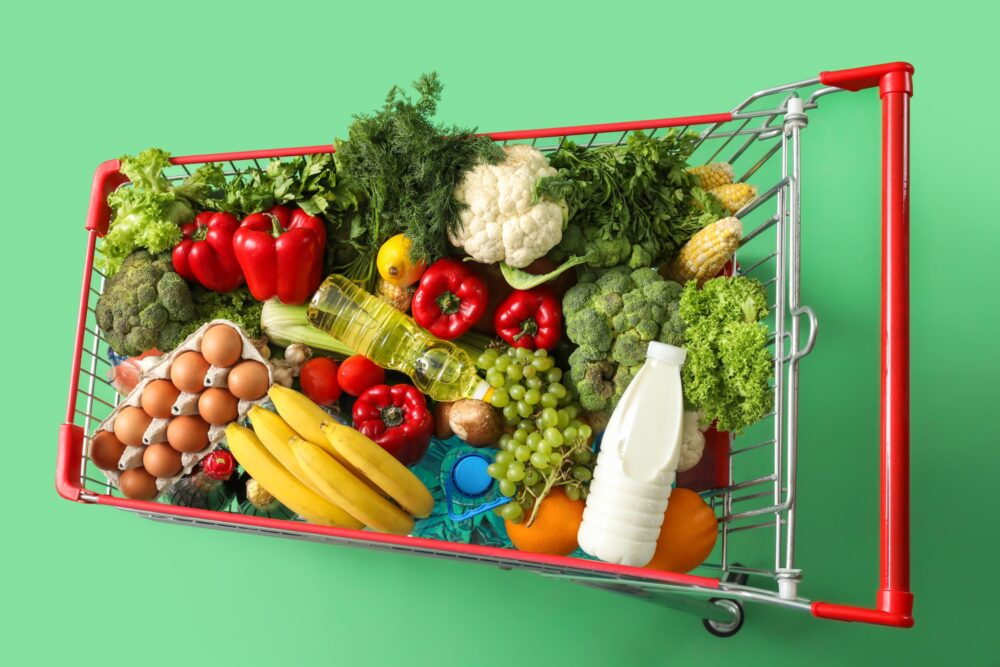
Most conversations about cardiovascular health focus on exercise, stress, and medical checkups. But the decisions that have the most consistent impact on heart health happen somewhere far more ordinary: in the grocery store, aisle by aisle, every week.
A heart healthy grocery list is built around a few consistent principles. It reduces saturated fats and sodium, which contribute to arterial inflammation and elevated blood pressure. It increases fiber, antioxidants, and healthy unsaturated fats, particularly omega-3 fatty acids, which support healthy cholesterol levels and reduce inflammation throughout the body. Getting those principles to translate into real food choices begins with knowing what to put on the list.
Heart healthy produce to prioritize on your grocery list
The produce section is the most powerful part of any heart healthy grocery list, and the guiding principle here is straightforward: the more color, the better. Different pigments in fruits and vegetables correspond to different phytonutrients, and a varied palette means a broader range of protective compounds.
Leafy greens including spinach, kale, and Swiss chard are high in vitamin K and nitrates, which support blood vessel function. Berries such as blueberries, strawberries, and raspberries are dense with antioxidants that help reduce oxidative stress on the cardiovascular system. Cruciferous vegetables like broccoli, cauliflower, and Brussels sprouts round out a solid base.
Avocados deserve a dedicated spot on the list. They are one of the best whole-food sources of monounsaturated fats, the same category of fat that makes olive oil so beneficial for heart health. Citrus fruits including oranges and grapefruit bring both fiber and vitamin C, two nutrients with meaningful cardiovascular benefits.
Heart healthy protein choices that support the heart
Protein selection matters considerably for anyone building a heart healthy grocery list. The goal is to lean toward sources that bring additional benefits alongside their protein content rather than sources that also carry high levels of saturated fat.
Fatty fish such as salmon, mackerel, and sardines are among the most valuable items on a heart-healthy list. They are among the richest dietary sources of omega-3 fatty acids, and fresh options tend to retain higher concentrations of those fats. Legumes including lentils, chickpeas, black beans, and kidney beans provide protein along with substantial fiber, making them doubly useful. Skinless chicken or turkey breast offers lean animal protein with minimal saturated fat. Plant-based proteins like extra-firm tofu and tempeh are also strong options, particularly for those looking to reduce meat consumption without sacrificing protein intake.
Heart healthy grains, seeds, oils and other pantry staples
Swapping refined carbohydrates for whole grains is one of the most impactful additions to a heart healthy grocery list, and the grocery store offers plenty of options.
Steel-cut or rolled oats contain a soluble fiber called beta-glucan, which has been shown to help lower LDL cholesterol levels. Whole grains like quinoa, farro, brown rice, and buckwheat provide fiber and nutrients that refined versions strip away during processing. Walnuts, chia seeds, flaxseeds, and unsalted almonds are all worth adding to the cart for their combination of healthy fats and fiber.
Extra virgin olive oil is the most well-researched fat for heart health and the best default cooking oil for most purposes. In the spice and herb aisle, garlic, turmeric, onions, and fresh herbs do meaningful work as flavor replacements for salt, which is one of the most important substitutions a person can make when managing blood pressure.
Heart healthy options in the dairy and refrigerated section
The refrigerated section offers a few reliable additions to a heart healthy grocery list. Plain non-fat or low-fat Greek yogurt provides protein and probiotics without the saturated fat of full-fat dairy products. Unsweetened almond or soy milk works well as a lower-fat alternative to whole milk. Eggs and egg whites are reasonable in moderation and offer high-quality protein with relatively few calories.
Shopping habits that make a difference
Beyond what goes into the cart, how a person navigates the store matters. Most whole, minimally processed foods are found along the outer perimeter of a grocery store, while packaged and processed products tend to dominate the interior aisles. Sticking to the edges as a general strategy helps filter out a significant portion of the less heart-friendly options by default.
Reading labels is non-negotiable for anyone managing cardiovascular health. Sodium content is worth checking on anything canned or packaged, and rinsing canned beans or vegetables before use removes a meaningful percentage of the added salt. Sugar content deserves equal attention, because excess sugar contributes to inflammation and metabolic stress in ways that are just as relevant to heart health as saturated fat.
Building the shopping list before entering the store and sticking to it reduces the likelihood of impulse choices that undermine the broader goal. A thoughtful list is not just a planning tool. For heart health, it is one of the most practical interventions available.