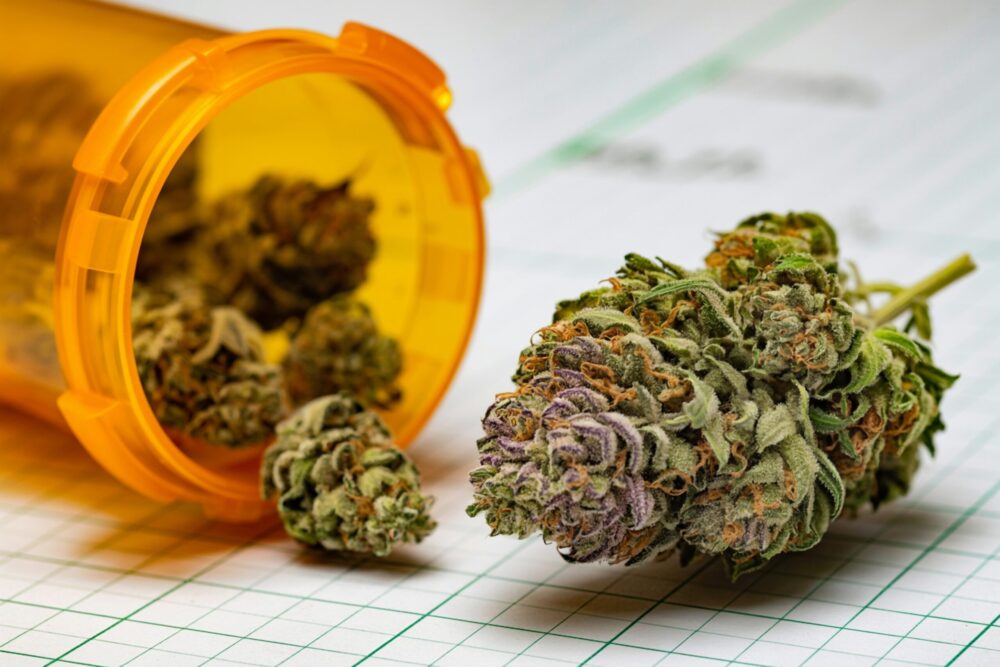
If you picture a typical cannabis user, someone over 60 probably isn’t the first image that comes to mind. But a new study suggests that older adults are now the fastest growing demographic when it comes to cannabis use and researchers say the reasons why are deeply rooted in health, not recreation.
The study, conducted by researchers at the University of Colorado Boulder and the University of Utah, set out to better understand what’s driving this generational shift. The findings paint a clear picture of a population that is frustrated with traditional medicine and actively searching for alternatives.
Why older adults are making the switch
Adults over 60 are the fastest growing cannabis users here’s why. Researchers conducted in depth interviews with 169 Colorado adults aged 60 and older who had not yet tried cannabis but were open to experimenting with it. After each participant used a cannabis product, researchers followed up to track their experiences, preferences and outcomes.
What emerged was a consistent theme: most participants were not turning to cannabis out of curiosity or for recreational enjoyment. Instead, they were looking for real relief from conditions that had become difficult to manage through conventional means.
Sleep problems were the top motivator, with 57% of participants citing trouble sleeping as a primary reason for wanting to try cannabis.
Pain management came in second, with 50% of those surveyed hoping cannabis could offer some relief.
Mental health concerns rounded out the top three, with 25% of participants mentioning anxiety, depression or other emotional wellness challenges as part of their motivation.
Many of the older adults in the study were also driven by a desire to avoid pharmaceuticals altogether either because of unwanted side effects or because previous medications simply hadn’t worked. For a significant portion of participants, cannabis was considered a last resort after other treatments had failed.
What products older adults actually preferred
Contrary to what some might expect, most participants were not drawn to high THC products. Many expressed genuine concern about the intoxicating effects of THC and were initially more comfortable with CBD only or low THC options.
However, the study revealed an interesting pattern over time. While participants often started with or gravitated toward products that combined both THC and CBD partly because research suggests CBD may help reduce some of THC’s more intense effects they ultimately reported higher satisfaction with products that contained THC. Over the course of four weeks, participants consistently rated THC containing products as more effective for their specific concerns.
This finding challenges the assumption that older adults want to avoid THC entirely. It suggests that with proper guidance, education and access to lower dose options, seniors may be more receptive to a broader range of cannabis products than previously thought.
What experts say about getting started safely
For older adults who are cannabis curious, the study’s senior author, a professor of psychology and neuroscience at CU Boulder, strongly recommends starting with a low dose particularly when it comes to edibles, which can take longer to take effect and are easier to overconsume.
The overall takeaway from the research is straightforward: older adults exploring cannabis are largely doing so with practical, health focused goals in mind. They are not chasing a high. They are chasing relief.
As cannabis becomes more widely legal and socially accepted across the country, studies like this one are helping shift the conversation around who uses it and why and the answer, increasingly, includes a generation of adults who are simply looking to feel better in their daily lives.
The study adds to a growing body of research highlighting the need for more targeted cannabis education, better product labeling and accessible guidance tailored specifically to older users navigating this space for the first time.