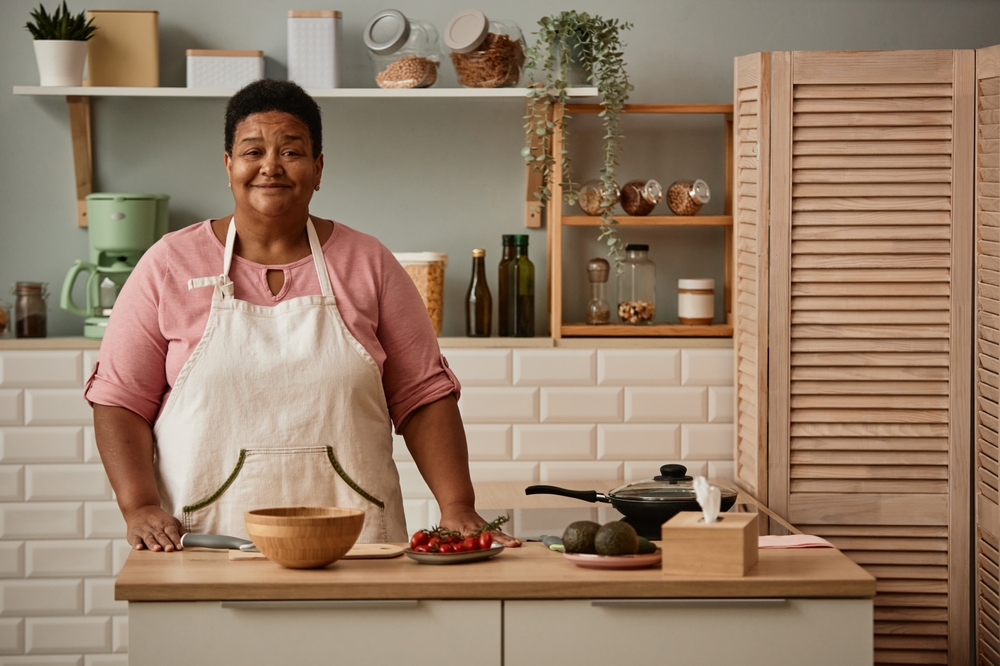
New research reveals a surprisingly simple weekly kitchen habit
A single home cooked meal each week might be doing more for your future than any supplement on the shelf. As more households lean on delivery apps and grab and go options, new research suggests that stepping back into the kitchen, even occasionally, carries a protective effect that extends well beyond the meal itself.
Cooking Habits Linked To Sharper Aging
New research tracking nearly 11,000 older adults found that people who prepared meals from scratch at least once a week faced a noticeably lower risk of developing dementia later in life. The effect held for both men and women, with researchers finding roughly a 23% lower risk among men and a 27% lower risk among women who cooked regularly compared with those who rarely did.
The protective effect appeared strongest among people who did not consider themselves particularly skilled in the kitchen. For adults with limited cooking experience, preparing even one meal a week from scratch was tied to a dementia risk reduction of up to 67%, suggesting the simple act of engaging with food preparation carries benefits that go beyond what ends up on the plate.
Why The Kitchen Matters So Much
Researchers believe cooking works as a kind of full body exercise for the brain. Planning a meal, deciding on ingredients, managing multiple steps at once and adjusting for taste all demand the kind of active problem solving that keeps cognitive function sharp over time. Unlike passive activities, cooking pulls together memory, sequencing and sensory attention in a way few everyday tasks manage to replicate.
That mental engagement appears to matter just as much as the nutritional payoff. Earlier research out of Taiwan and Australia found that adults who cooked at home at least five times a week were 47% more likely to still be alive a decade later compared with those who cooked far less often. Investigators tied part of that benefit to better dietary variety, but also credited the broader routine of shopping, planning and preparing food as a meaningful driver of long term health.
A Simple Habit With Outsized Benefits
Cooking regularly has also been linked in prior research to lower rates of type 2 diabetes, obesity and heart disease, alongside modest mental health benefits tied to the sense of accomplishment and routine that meal preparation can provide. Preparing food at home tends to naturally increase exposure to vegetables, whole grains and lean proteins, while reducing reliance on the added sugar, sodium and unhealthy fats common in many restaurant and packaged meals.
For people managing busy schedules, the encouraging part of this research is how low the bar sits for meaningful benefit. Cooking does not need to happen daily to matter, since even a single home prepared meal each week appeared enough to move the needle on long term cognitive health in the newest findings.
A few takeaways stand out from the research so far.
- One home cooked meal weekly was linked to a lower dementia risk in both men and women
- People with limited cooking skills saw the largest measured benefit
- Cooking five times weekly was tied to a 47% higher chance of surviving another decade
- Benefits appear tied to both nutrition and the mental engagement cooking requires
Making Cooking A Realistic Habit
Building a sustainable cooking habit does not require elaborate meals or advanced kitchen skills. Starting with one simple dish a week, whether that means roasting vegetables, preparing a basic protein and side, or trying a new recipe from scratch, appears to carry measurable benefit over time. Involving family members or preparing meals alongside others may add an additional social dimension that further supports both mood and cognitive engagement.
As researchers continue to explore why cooking appears so protective, the practical takeaway remains simple enough to act on today. Choosing to cook rather than order in, even just once this week, may be one of the more accessible steps available toward protecting long term brain health and extending the years ahead. Small, consistent habits like this rarely make headlines the way new medications or supplements do, yet the evidence keeps pointing back to something as ordinary as standing at a stove with a cutting board nearby.