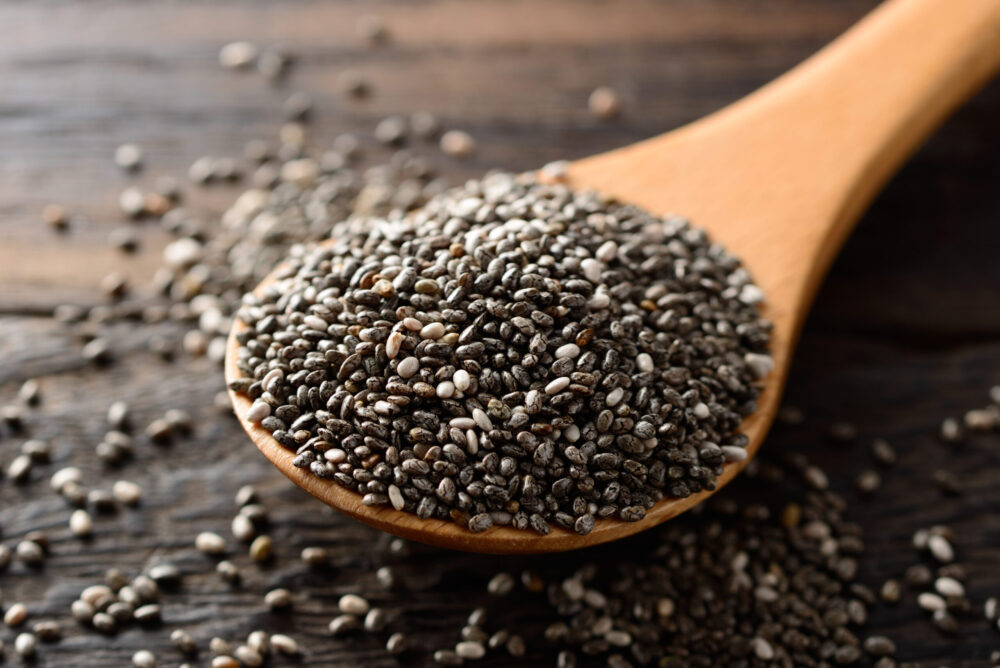
Flaxseeds are small, but the research behind them is getting harder to dismiss. A growing body of evidence suggests that regular consumption may produce meaningful reductions in blood pressure, particularly for people already dealing with elevated levels. Nutrition and cardiology experts say the benefits are real, though context matters.
What a recent meta-analysis found
A 2024 meta-analysis found that people who consumed flaxseeds consistently for at least eight weeks saw average reductions of about 8.6 millimeters of mercury in systolic blood pressure and 4.9 mm Hg in diastolic blood pressure. Those numbers may not sound dramatic, but cardiologists note that even modest reductions carry real cardiovascular significance, especially when combined with other heart-healthy habits.
Michelle Routhenstein, a cardiology dietitian, described the evidence as pointing toward modest but consistent benefits, particularly for people with elevated blood pressure. The key word is consistent. The effect appears to depend on regular intake over time rather than occasional use.
Why flaxseeds appear to affect blood pressure
The mechanism behind flaxseeds’ effect on blood pressure comes down to three compounds working together. Alpha-linolenic acid, a plant-based omega-3 fatty acid, helps reduce inflammation in blood vessel walls. Fiber supports cardiovascular health through multiple pathways. Lignans, which are plant compounds with antioxidant properties, contribute to reduced vascular inflammation and improved blood flow.
Michael Richardson, a family physician, noted that flaxseeds may be particularly relevant for people with peripheral artery disease, a condition characterized by narrowed blood vessels and chronic inflammation where these compounds could offer targeted benefit.
How flaxseeds fit into a broader treatment plan
No clinician interviewed for this topic suggested flaxseeds as a standalone treatment for hypertension. Alexandra Gurskaya Pineda, a board-certified family nurse practitioner, framed them as a complementary intervention, something that works alongside prescribed medications and other lifestyle changes rather than replacing them. Those changes typically include reducing sodium intake, staying physically active, and managing stress.
Routhenstein made a similar point, noting that the value of even a modest blood pressure reduction increases significantly when it is part of a broader approach rather than an isolated effort.
Getting the preparation and dosage right
Ground flaxseeds are the recommended form. Whole flaxseeds have a tough outer shell that makes them difficult for the body to digest and absorb efficiently. The oil, while available, lacks the fiber and lignans that appear to drive the cardiovascular benefits.
Routhenstein suggests starting with one to two teaspoons of ground flaxseed per day and increasing gradually to one to two tablespoons as the body adjusts. Research suggests that consuming around 30 grams daily, roughly three tablespoons, may produce blood pressure reductions comparable to those seen with a single antihypertensive medication. Ground seeds blend easily into oatmeal, yogurt, smoothies, and baked goods without significantly altering flavor.
Who should be cautious
Flaxseeds are generally well tolerated, but there are situations where caution is appropriate. Consuming large amounts can cause digestive discomfort including bloating, gas, or loose stools, particularly when intake increases too quickly. People taking blood thinners should discuss flaxseed consumption with a physician, as interactions are possible. Pregnant and breastfeeding individuals are advised to avoid flaxseeds due to potential hormonal effects associated with their lignan content.
Anyone considering using flaxseeds specifically to manage blood pressure should raise it with their healthcare provider. Blood pressure management benefits from a personalized plan, and dietary additions work best when they are coordinated with whatever else is already in place.