For most people, it’s not one single cause but a combination of factors working together. Nearly 100% of hypertension cases involve multiple overlapping risk factors, while only about 5% trace back to one clear, reversible medical cause, according to GoodRx Health’s review of American Heart Association guidelines. Roughly half of all US adults currently have high blood pressure, a condition often called the silent killer because it typically causes no symptoms until it has already done damage.
Which risk factors are outside a person’s control?
Age is the clearest one. More than 70% of people over 60 have high blood pressure, compared to roughly 20% of men and 10% of women in their 20s, since blood vessels naturally stiffen over time. Sex matters too, with men more likely to develop hypertension than women until around age 64, after which the pattern reverses and women become more likely to have it. Family history and genetics also raise risk independently of lifestyle, and certain inherited conditions affecting the aorta or other blood vessels can cause high blood pressure from childhood.
Why does race factor into hypertension risk so heavily?
Because the disparity is both wide and well documented, even if the underlying reasons remain only partly understood. Almost 60% of Black adults in the US have high blood pressure, compared to roughly 50% of white and Asian adults and about 40% of Hispanic adults, according to American Heart Association data. The gap goes well beyond who develops hypertension.
Black Americans are 40% more likely to have uncontrolled blood pressure than non-Hispanic white Americans despite similar rates of awareness and treatment, and they are roughly five times more likely to die from hypertension related causes, according to recent research published through Johns Hopkins and Tulane University researchers. The American Heart Association attributes part of this gap to historical and systemic factors, cultural practices and dietary habits, while more recent clinical research points to something more specific: diagnostic technique itself.
Is there evidence that hypertension gets missed more often in Black patients specifically?
Yes, and it’s a more recent and more actionable finding than the broader disparity itself. A 2026 study published in the Journal of Racial and Ethnic Health Disparities found that improper blood pressure measurement techniques and limited use of home or ambulatory monitoring contribute directly to delayed or missed diagnoses in Black adults.
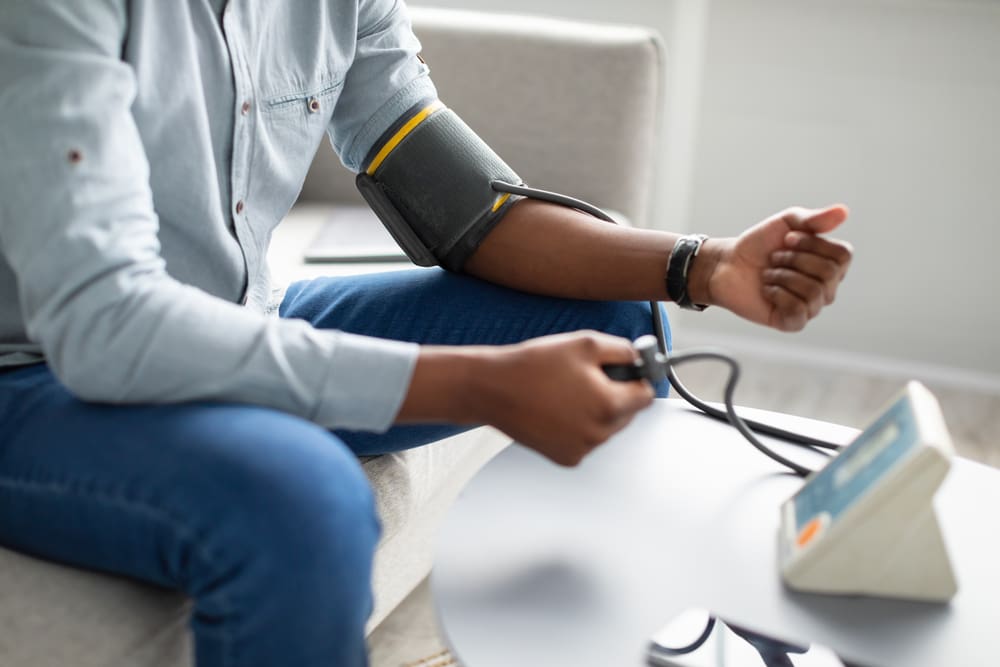
A separate randomized trial published in JAMA Internal Medicine found that using an incorrectly sized blood pressure cuff measurably skews readings, a technical detail that disproportionately affects accuracy across different body types and contributes to both under and overdiagnosis depending on the direction of the error. Because of findings like these, the 2025 AHA and American College of Cardiology blood pressure guideline introduced a new race neutral cardiovascular risk calculator specifically intended to guide treatment decisions more consistently across racial groups.
Which risk factors can actually be changed?
Several, and they tend to have an outsized effect. Weight sits at the top of the list. Researchers estimate that obesity accounts for roughly three out of every four hypertension cases, likely through a combination of nervous system changes, altered kidney function, insulin resistance, hormonal shifts, blood vessel inflammation and increased sleep apnea risk.
Diet plays a major role too. Most Americans consume more sodium than recommended, and the American Heart Association suggests keeping intake under 2,300 milligrams a day, with under 1,500 milligrams considered the better target for people actively trying to lower their risk. Cutting sodium by even 1,000 milligrams, roughly half a teaspoon of salt, can produce a meaningful improvement on its own.
What other everyday habits move the needle?
Physical activity, alcohol intake and smoking all carry real weight. Experts recommend at least 150 minutes of moderate exercise weekly along with resistance training twice a week, though any amount of movement, including short walks or gentle yoga, helps. Alcohol should generally stay under two drinks a day for men and one for women, since heavier drinking raises both blood pressure and cholesterol. Smoking cessation is considered an important step for blood pressure specifically, in addition to its broader cardiovascular benefits.
Can medications or other health conditions raise blood pressure too?
Yes. Common over the counter drugs including ibuprofen and acetaminophen, along with decongestants, certain antidepressants and the herbal supplement St. John’s wort, can all raise blood pressure as a side effect. Underlying conditions matter as well.
Diabetes, chronic kidney disease and obstructive sleep apnea are all closely linked to hypertension, sometimes in both directions, since high blood pressure can also worsen kidney function over time. Hormonal shifts tied to pregnancy, menopause, or thyroid and adrenal gland problems can also affect blood pressure and are worth discussing with a doctor if changes appear unexpectedly.
What blood pressure numbers actually count as high?
Normal blood pressure sits at 120 over 80 mmHg or below. Readings with a top number between 120 and 129 and a bottom number of 80 or below call for closer monitoring, while a top number above 130 or a bottom number above 80 generally warrants treatment. Anything above 180 over 120 is considered a hypertensive emergency requiring immediate medical attention.
What symptoms mean someone should go to the emergency room right away?
An intense headache, confusion, blurry vision, chest pain, shortness of breath, nausea or vomiting, or any stroke symptoms like sudden numbness or weakness on one side of the body all warrant emergency evaluation, since these can signal blood pressure high enough to be actively damaging the heart or brain. Milder, non-emergency symptoms sometimes associated with hypertension include headaches, nosebleeds and heart palpitations, though many people with hypertension have no symptoms at all, which is exactly why regular monitoring matters more than waiting to feel unwell.