Heart disease remains the leading cause of death in the United States and carries a disproportionate burden in the African American community, where high cholesterol, elevated blood pressure, type 2 diabetes and obesity intersect as compounding risk factors. Diet is one of the most accessible levers available for managing all four, and seeds are among the most nutrient-dense additions a person can make with the least disruption to an existing routine.
Six seeds in particular stand out for their cardiovascular benefit. Each one works through a different mechanism, and together they address most of the major risk factors in a typical heart disease profile.
Flaxseeds
Flaxseeds carry two distinct cardiovascular benefits in a single small package. Their soluble fiber content blocks cholesterol absorption in the digestive tract and promotes its excretion, which reduces both total and LDL cholesterol levels. A 2020 review confirmed that flaxseed supplementation produced measurable reductions in both markers. They also contain alpha-linolenic acid, a plant-based omega-3 fatty acid with a documented association with lower coronary heart disease risk.
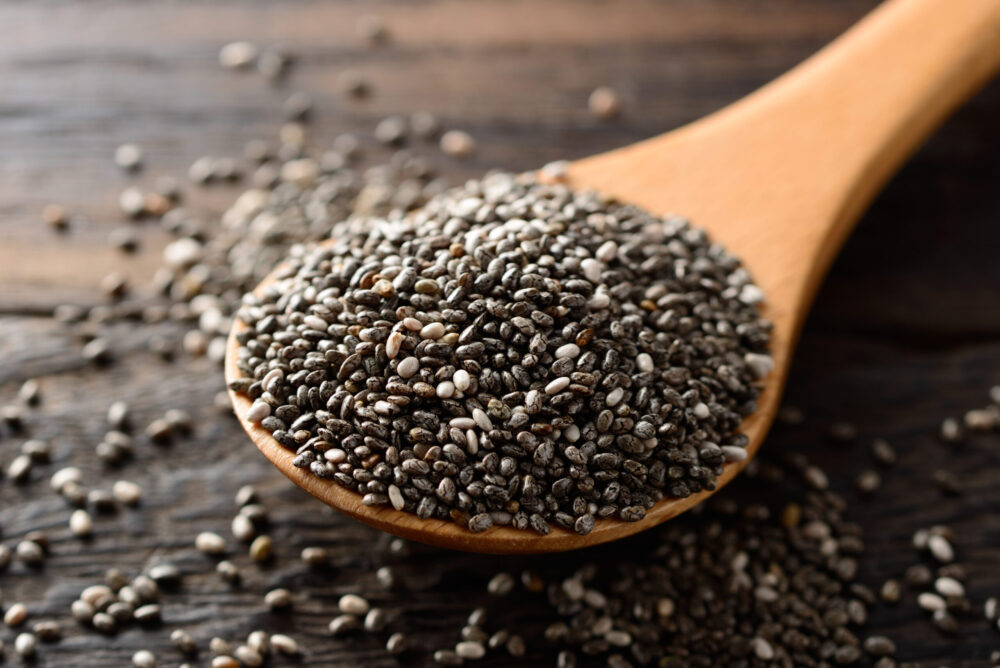
Chia seeds
One ounce of chia provides 9.75 grams of fiber, covering 34% of the recommended daily intake. They also supply meaningful amounts of calcium and magnesium, both of which are directly involved in blood pressure regulation. Studies have shown that regular chia consumption lowers total and LDL cholesterol while raising protective HDL cholesterol, making them one of the more complete cardiovascular additions available.
Pumpkin seeds
An ounce of pumpkin seeds delivers 156 milligrams of magnesium, 37% of the daily recommended value. They also contain arginine, an amino acid the body uses to produce nitric oxide, a compound that relaxes blood vessel walls and supports healthy circulation. Their plant-based protein content helps regulate blood sugar levels, which matters for heart health given that type 2 diabetes is a significant independent risk factor for cardiovascular disease.
Sunflower seeds
Sunflower seeds are among the richest dietary sources of vitamin E, a fat-soluble antioxidant that protects cells from oxidative stress. One ounce of shelled sunflower provides 7.4 milligrams of vitamin E, close to 50% of the daily requirement. Higher dietary vitamin E intake is associated with reduced rates of heart disease and cardiovascular mortality across multiple population studies.
Sesame seeds
Two tablespoons of these provide 15% of the daily magnesium requirement and 13.5% of the daily calcium requirement. Magnesium and calcium work together to regulate blood pressure, and diets consistently high in both minerals correlate with lower rates of hypertension. Research also suggests sesame may help prevent atherosclerosis by reducing inflammatory markers and lowering blood lipid levels over time.
Hemp seeds
Hemps offer one of the highest magnesium concentrations, with one ounce covering 50% of the daily requirement. Their polyunsaturated fat content, including omega-3 fatty acids, supports both blood sugar regulation and anti-inflammatory function. The combination makes them a particularly strong choice for anyone managing multiple cardiovascular risk factors simultaneously.
How to use them
Most seeds are most effective when they replace something else in the diet rather than simply being added on top of existing habits. Swapping saturated fats for the unsaturated fats produces better cholesterol outcomes than adding seeds to an otherwise unchanged diet.
Portion size matters. Seeds are calorie-dense, and the standard recommendation of two tablespoons to one ounce per serving applies regardless of which variety is being used. Unsalted versions are strongly preferable for anyone managing blood pressure, since the sodium in roasted and salted seedlings can partially offset the cardiovascular benefit.