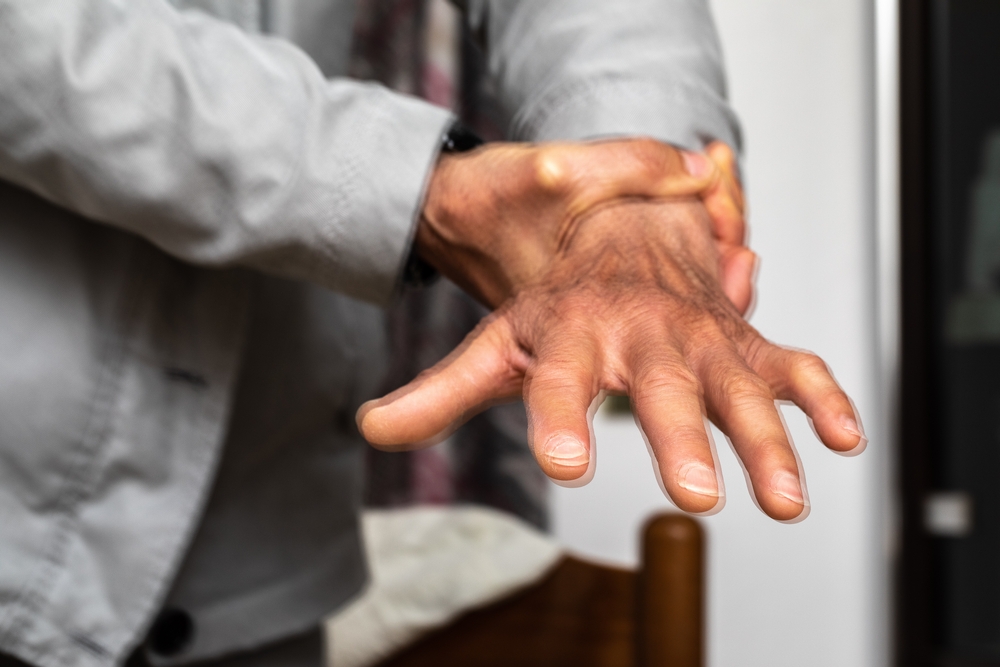
The leading cause of shaky hands is a nerve disorder called essential tremor, which produces shaking specifically when the hands are in use rather than at rest. Someone holding a coffee cup or writing may notice visible shaking that disappears entirely when the hands are still. The cause is not always identifiable, though genetic factors are sometimes involved. Mild cases may not require any treatment, while more disruptive symptoms can be managed through medication, occupational therapy or in some cases surgery.
Essential tremor is frequently confused with Parkinson’s disease, but the two are distinct conditions with different patterns and causes.
When it points to something more serious
Parkinson’s disease produces hand tremors because the brain cells responsible for directing muscle movement become damaged over time. Unlike essential tremor, Parkinson’s typically starts on one side of the body and may eventually affect both. It often comes alongside slower movement, balance problems and muscle stiffness. Treatment focuses primarily on medication and, in some cases, surgical intervention to improve muscle control.
Multiple sclerosis can also cause tremors by damaging myelin, the protective coating around nerves. When that coating breaks down, signals between the brain and the body become disrupted, producing shaking in the hands or other parts of the body alongside other neurological symptoms. Management typically involves medication combined with physical or occupational therapy.
The thyroid connection
An overactive thyroid, known medically as hyperthyroidism, is another cause of hand tremors that often goes unrecognized. When the thyroid gland produces too much hormone, it accelerates multiple body systems, including heart rate. Shaky hands can appear alongside unintentional weight loss, light sensitivity, rapid heartbeat and difficulty sleeping. A standard blood test can confirm whether thyroid hormone levels are outside the normal range.
Lifestyle factors that trigger shaking
Several everyday habits and circumstances produce temporary hand tremors that resolve once the underlying cause is addressed.
Caffeine in excess is one of the most common. The same stimulant that produces alertness also activates the nervous system more broadly, and too much of it produces visible shaking. Caffeine appears not only in coffee but in chocolate, certain sodas and some over-the-counter headache medications.
Stress and anxiety push the nervous system into a heightened state that can cause the hands to shake and the heart to race. The tremor typically subsides once the stressor passes, and techniques like deep breathing or meditation can help manage the physical symptoms during acute episodes.
Sleep deprivation interferes with the brain’s ability to send accurate signals to the body. When the nervous system is running on insufficient rest, it can misfire in ways that produce hand tremors. Restoring adequate sleep generally resolves this type of shaking.
Low blood sugar deprives nerves and muscles of the fuel they need to function correctly, which can cause the hands to shake. Diabetes, certain medications, excessive alcohol and insufficient food intake are among the most common causes of blood sugar dropping to a level that produces symptoms.
Less obvious causes worth knowing
Alcohol withdrawal produces tremors in people who have developed a physical dependence on alcohol. Shaking can begin as early as ten hours after the last drink and may persist for several weeks. Medical supervision during detox allows for medication-assisted management of withdrawal symptoms.
A deficiency in vitamin B12 affects the health of the nervous system directly. People who do not consume meat, eggs or dairy, or who take certain medications that interfere with B12 absorption, are at elevated risk. Beyond hand tremors, a deficiency can cause numbness and tingling in the arms and legs.
Certain prescription medications list tremors as a known side effect, including drugs used for mood disorders, seizures, migraines, nerve pain and asthma. Some antihistamines carry this risk as well.
Rarer causes include pheochromocytoma, a typically benign tumor of the adrenal gland that drives blood pressure sharply upward and can produce shaking alongside heavy sweating and shortness of breath. Liver disorders such as Wilson’s disease, in which copper accumulates in the body and damages the liver and brain, can also produce tremors. Prior stroke or traumatic brain injury may leave some people with persistent hand tremors that require ongoing management through medication or therapy.