Black Americans are diagnosed with hypertension at higher rates than any other racial group in the United States. Type 2 diabetes follows a similar pattern. These are not random outcomes. They are shaped by decades of unequal access to healthcare, economic inequality, and food environments that have historically offered fewer nutritious options in predominantly Black neighborhoods.
Diet alone does not close that gap. But it is one of the most accessible levers available to individuals navigating a system that has not always worked in their favor. Understanding what food does inside the body, and how cultural eating traditions fit into that picture, is a reasonable place to start.
Why chronic disease hits harder in Black communities
The connection between nutrition and chronic illness is well established. Diets high in sodium, processed foods, and added sugars are linked to hypertension, obesity, and metabolic disorders. Black Americans are more likely to live in areas where those foods are easier to access than fresh produce, a disparity that researchers have documented extensively.
Socioeconomic factors compound the problem. Cost, time, and proximity to grocery stores all influence what ends up on the table. Acknowledging these structural realities matters because framing poor health outcomes as purely personal choices misses the larger picture entirely.
Nutrition and the Black cultural food tradition
Southern cooking, West African culinary traditions, and Caribbean food culture are all deeply woven into Black American identity. These traditions carry real nutritional value in many respects, particularly in their use of legumes, greens, root vegetables, and fish. They also include preparations that are high in sodium and saturated fat, particularly in their more celebratory forms.
The goal is not to strip those traditions of meaning. It is to understand them well enough to make adjustments where they matter. Cooking collard greens with smoked turkey instead of fatback, for example, preserves the dish while reducing sodium and saturated fat meaningfully. Small substitutions made consistently over time tend to produce more lasting change than dramatic dietary overhauls.
What a nutrition-focused approach actually looks like
Building a diet that supports long-term health does not require abandoning familiar foods. It requires understanding what the body needs and finding ways to meet those needs within a realistic budget and lifestyle.
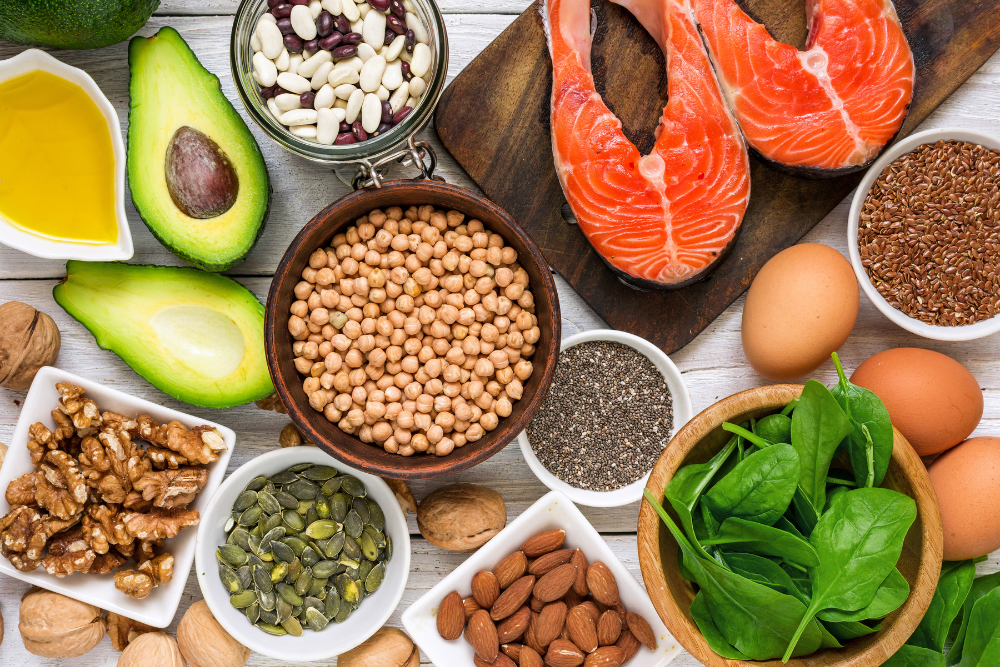
Fruits, vegetables, whole grains, lean proteins, and healthy fats form the foundation of most evidence-based dietary guidance. Within the Black cultural food tradition, many of those elements are already present. Black-eyed peas, sweet potatoes, okra, catfish, and collard greens all fit comfortably within nutritional frameworks that prioritize fiber, micronutrients, and lean protein.
Portion awareness also plays a role. Traditional dishes served in large quantities at family gatherings are not a problem in isolation. They become a pattern worth examining when those portions become the default across daily meals.
The value of personalized nutrition guidance
General dietary advice has limits. A person managing type 2 diabetes has different nutritional needs than someone focused on cardiovascular health or someone who is pregnant. Registered dietitians who understand both the clinical side of nutrition and the cultural context of Black American food traditions are in the best position to offer guidance that is actually useful.
Community health programs, federally qualified health centers, and some employer wellness programs offer access to dietitians at reduced or no cost. For people managing chronic conditions, that kind of personalized support can make a measurable difference in outcomes over time.
Closing the gap one meal at a time
The structural factors driving health disparities in the Black community require policy solutions that go well beyond individual food choices. Zoning, income inequality, healthcare access, and historical disinvestment in Black neighborhoods are not problems any one person can solve at the grocery store.
What individuals can do is make informed decisions with the information and resources available to them. Nutrition is not a cure for systemic inequality. It is one tool among many, and knowing how to use it well is worth the effort.