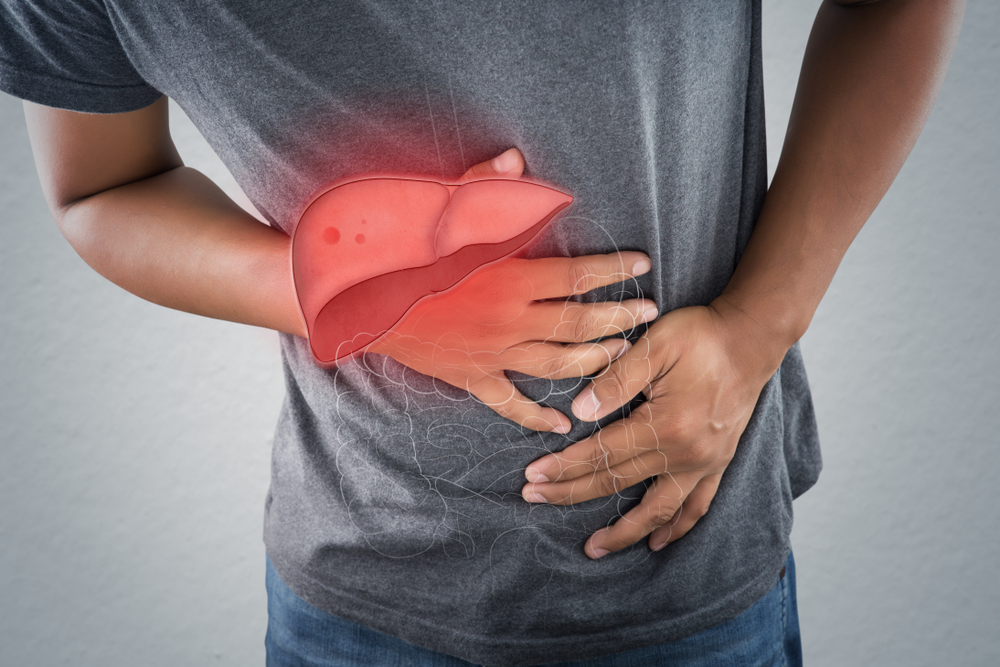
The liver is one of the most hardworking organs in the human body, responsible for more than 500 functions ranging from filtering toxins to storing nutrients and regulating energy. What makes it genuinely remarkable is its capacity for self-repair. Unlike most organs, it can regenerate damaged tissue and return to full function if caught early enough. Fatty liver disease and mild inflammation, when identified before serious scarring sets in, are often fully reversible with the right lifestyle changes.
The trouble is that it rarely signals distress until the damage has already compounded. By the time visible symptoms like yellowed skin or abdominal swelling appear, the window for easy recovery may have narrowed significantly. That is why understanding what healthy liver repair actually looks and feels like is so valuable, particularly for people who have recently stopped drinking.
1. Energy levels begin to climb
One of the earliest and most welcome signs of liver recovery is a noticeable return of natural energy. The liver functions as the body’s primary energy regulator, converting stored sugar into fuel for the muscles and brain. Heavy alcohol consumption forces the liver to prioritize clearing alcohol from the bloodstream, which pulls it away from that energy management role entirely.
The result is the persistent fatigue, heaviness, and sluggishness that so many people associate with regular drinking. As alcohol leaves the picture, the liver gradually reclaims that function. Sleep becomes more restorative, mornings feel less brutal, and the need for daytime rest begins to ease on its own.
2. Skin and eyes regain their clarity
The liver is responsible for removing bilirubin, a yellow waste compound, from the blood. When alcohol damages the liver’s filtering capacity, bilirubin accumulates and begins to stain the skin and the whites of the eyes, producing the yellowish tone associated with jaundice. It is one of the more visible signs that the liver is struggling.
As the liver heals and its filtering ability improves, that buildup clears. Within a few weeks of stopping drinking, many people notice that their eyes appear noticeably whiter and their skin takes on a healthier, more natural tone. It is one of the most externally visible signs that recovery is progressing.
3. Digestive discomfort fades
A swollen or damaged liver puts physical pressure on surrounding abdominal organs, contributing to bloating, nausea, and a persistent feeling of fullness that can make eating uncomfortable. Liver damage also compromises the production of bile and other compounds the body relies on to digest food efficiently.
As inflammation subsides and the organ begins to recover, that pressure eases. Bloating decreases, appetite returns, and meals no longer feel like a source of discomfort. For many people in early recovery, this shift in digestive health is one of the first concrete signs that things are moving in the right direction.
4. Mental clarity sharpens noticeably
A functioning liver filters ammonia and other harmful compounds from the blood before they reach the brain. When the liver is compromised, those toxins can pass through and affect cognitive function, producing the mental fog, memory lapses, difficulty concentrating, and heightened anxiety that many heavy drinkers experience as baseline.
As liver function improves, the brain receives cleaner blood. Thinking becomes clearer, memory sharpens, and the persistent fog begins to lift. For many people, this cognitive improvement is one of the most motivating parts of early recovery because it affects nearly every area of daily life.
Supporting recovery and knowing when to seek help
Nutrient-dense foods including leafy greens, fresh fruits, and foods rich in B vitamins support the liver’s rebuilding process. B vitamins in particular, especially thiamine and folic acid, are frequently depleted in people who have drunk heavily and play a direct role in cellular repair.
It is equally important to recognize that stopping alcohol after prolonged heavy use carries real medical risks. Severe withdrawal symptoms including uncontrollable shaking, heavy sweating, or hallucinations require immediate emergency care. Vomiting blood, sudden abdominal swelling, or rapidly yellowing eyes are also signs that demand urgent medical attention rather than a wait-and-see approach.
Recovery is possible, and the body makes that clear in ways that are hard to miss once you know what to look for.