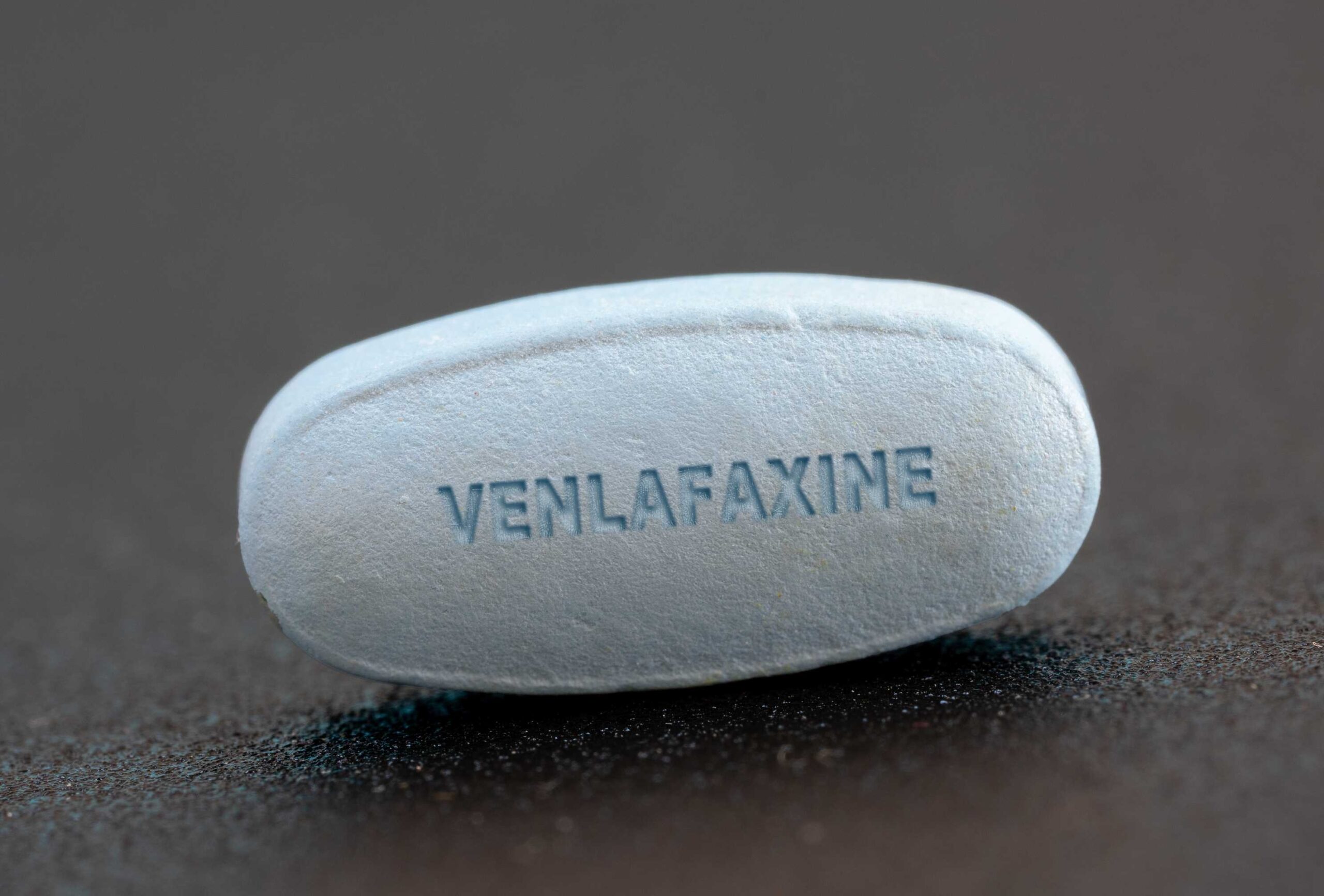
Effexor, known generically as venlafaxine, is a prescription antidepressant classified as a serotonin-norepinephrine reuptake inhibitor, or SNRI. It works by increasing the availability of two key neurotransmitters in the brain, serotonin and norepinephrine, both of which play significant roles in regulating mood, energy, and the body’s response to stress. At lower doses, the medication primarily acts on serotonin. At higher doses, its influence on norepinephrine becomes more pronounced, which is part of why dosing decisions matter so much.
The original immediate-release version of the drug was discontinued in 2006 and replaced with an extended-release formulation designed to reduce the intensity of adverse reactions. Even so, side effects remain a real consideration for anyone starting this medication, and women over 50 face a particular set of factors that make understanding those effects especially important.
The side effects most commonly reported
The side effects associated with Effexor range from mild and temporary to persistent and disruptive. Nausea is among the most frequently reported, particularly in the early weeks of treatment. Insomnia is also common, though some patients experience the opposite and find the medication sedating. Increased sweating, dry mouth, dizziness, and blurred vision round out the more typical physical complaints.
Sexual side effects are worth noting specifically. Decreased libido and difficulty reaching orgasm are reported by a meaningful portion of patients and can significantly affect quality of life, particularly for women who are already navigating the hormonal shifts of menopause. Blood pressure elevation is another concern, especially at higher doses, and warrants regular monitoring throughout treatment.
Beyond the commonly listed effects, anxiety or agitation in the early weeks of treatment is something clinicians watch for closely. Emotional blunting, a flattening of feeling that some patients describe as feeling less like themselves, is also reported. And discontinuation symptoms deserve particular attention with Effexor. Because the medication has a short half-life, stopping it too quickly or tapering too rapidly can trigger a distinctive and uncomfortable cluster of symptoms including electric shock sensations in the body, irritability, and flu-like feelings. This makes planning for eventual discontinuation something to think about long before you are ready to stop.
Why women over 50 face unique considerations
For women in perimenopause or postmenopause who are not candidates for hormone replacement therapy, or who prefer to avoid it, Effexor is frequently prescribed off-label to address hot flashes. The medication has demonstrated real effectiveness at reducing both the frequency and severity of hot flashes and offers a non-hormonal option that is particularly relevant for women with certain cancer histories.
The tradeoff is that Effexor does not deliver the broader systemic benefits that estrogen-based therapy provides. It does nothing for bone density, vaginal health, or the range of physiological changes that accompany menopause. For women who are using it specifically to manage hot flashes, that distinction matters when weighing the cost-benefit calculation of treatment.
Effexor is also used off-label to address generalized anxiety disorder, panic disorder, fibromyalgia, and certain chronic pain conditions, where its dual-mechanism action on both serotonin and norepinephrine pathways can help modulate pain signals in ways that other antidepressants do not.
Who is at greater risk for side effects
Certain patients are more likely to experience significant side effects. Those with existing high blood pressure need to monitor their readings regularly because the medication can cause further elevation. People with anxiety disorders may find that the early weeks of treatment feel more activating than calming, which can be disorienting. Anyone with a history of sensitivity to medication changes or previous withdrawal difficulties from other drugs should discuss those factors with their prescribing physician before starting.
Sleep disruption is another area of elevated risk for those already struggling with insomnia, a complaint that affects a large proportion of women over 50 independent of any mental health condition. Timing adjustments, such as taking the medication in the morning rather than the evening, can sometimes help manage this specific issue.
Managing side effects and knowing your options
The most practical approach to minimizing Effexor side effects is starting at a low dose and increasing gradually, giving the body time to adjust before higher concentrations build in the system. Blood pressure monitoring should be routine, particularly as doses increase. And because discontinuation can be genuinely difficult, developing a slow and thoughtful tapering plan with a physician before stopping is strongly advisable.
For those who find Effexor does not suit them, there are well-established alternatives. Other antidepressant classes, including SSRIs, offer similar mood-stabilizing benefits with a somewhat more favorable side effect profile for many patients. For those prioritizing non-pharmaceutical approaches, regular exercise, quality sleep, omega-3 fatty acids, and cognitive behavioral therapy all carry meaningful evidence for their role in supporting mental health. These are not fringe suggestions but well-documented interventions that can be used alongside medication or as a standalone strategy depending on the individual.
Depression is not a single condition with a single cause, and Effexor is not the right tool for everyone. The clearer the picture a patient and their physician have of the individual’s full health context, the more targeted and effective any treatment decision will be.