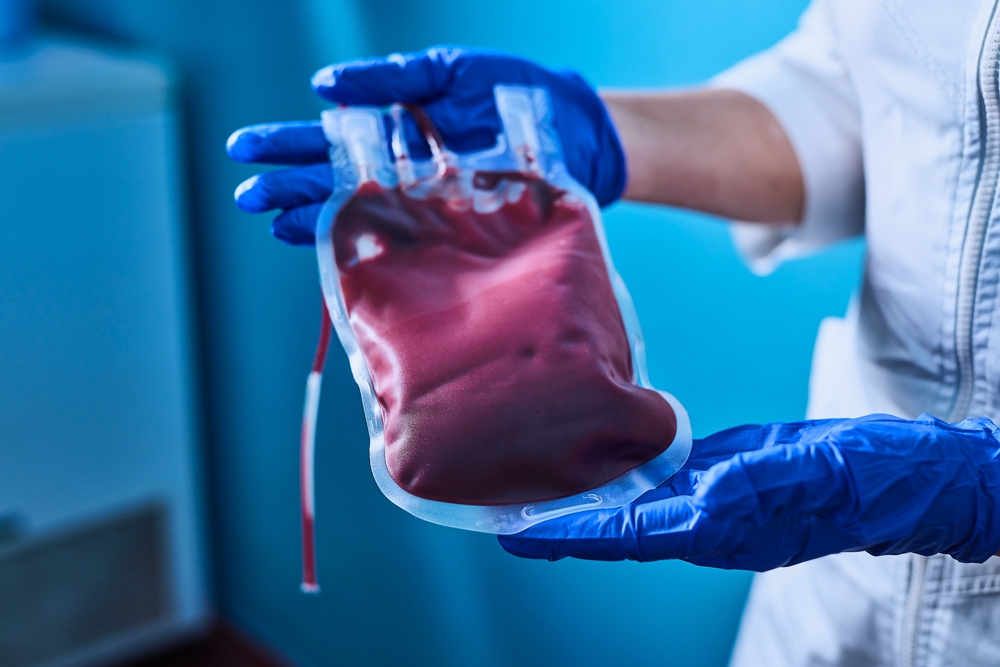
Blood donation is one of the most direct ways a healthy adult can contribute to saving someone else’s life. Hospitals rely on donated blood for surgeries, cancer treatments, trauma care, and childbirth complications. Supply is always in demand, and the need is consistent year-round. For anyone considering becoming a donor, knowing which type of donation fits your schedule and health profile makes the process considerably easier to commit to.
There are four main types of blood donation: whole blood, platelets, plasma, and double red blood cells. Each serves a different medical purpose, requires a different time commitment, and carries its own schedule for how frequently a donor can give.
Whole blood donation
Whole blood is the most common form and the quickest to complete. The process takes roughly an hour from check-in to finish, and donors can give once every 56 days, which works out to up to six times per year. The blood collected contains red blood cells, plasma, platelets, and white blood cells. After collection, it can be used as-is or separated into individual components depending on what a patient needs.
Platelet donation
Platelets are the component of blood responsible for clotting, making them critical for patients undergoing chemotherapy, organ transplants, or major surgeries. During a platelet donation, a machine draws blood, separates out the platelets and some plasma, and returns the red blood cells to the donor’s body. The process takes about three hours, but donors can give as frequently as every seven days, up to 24 times per year.
Plasma donation
Plasma is the liquid portion of blood and carries proteins that help with clotting and immunity. In a plasma donation, the non-plasma components are returned to the donor while the plasma itself is collected. The procedure runs between one and two hours. Donors can give every 28 days, up to 13 times per year.
Double red blood cell donation
This type collects two units of red blood cells in a single session while returning plasma and platelets to the donor’s body. Red blood cells carry oxygen through the body, and this type of donation is particularly useful for patients with significant blood loss. The process takes about 90 minutes, and donors can give every 112 days, up to three times per year. People with blood types O positive, O negative, A negative, and B negative are especially encouraged to consider this option.
Blood donation eligibility basics
Most healthy adults meet the basic requirements to donate. Standard criteria include normal vital signs, adequate hemoglobin levels, a minimum age of 17, and a minimum weight of 110 pounds, though some donation types require a higher weight threshold. Donors need to be free of active illness and should have any chronic health conditions well managed at the time of donation. A history of nonprescription injected drug use is a disqualifying factor.
When donors need to wait
Certain circumstances require donors to postpone their appointment beyond the standard waiting period. Active illness, including fever or respiratory symptoms, requires a full recovery before donating. Recent travel to regions with elevated risk of communicable diseases may affect eligibility temporarily. Some medications, including antibiotics and blood thinners, require a waiting period before donation is safe. A new tattoo or piercing requires a three-month wait. Pregnancy is a full deferral, with donors needing to wait at least six weeks after giving birth before returning. Anyone returning from surgery should consult a healthcare provider before scheduling a donation.
Waiting periods exist to protect both the donor and the person receiving the blood. Donating too frequently depletes iron stores and can lower hemoglobin to unsafe levels. Following the recommended schedule keeps donors healthy and ensures the blood supply remains high quality.