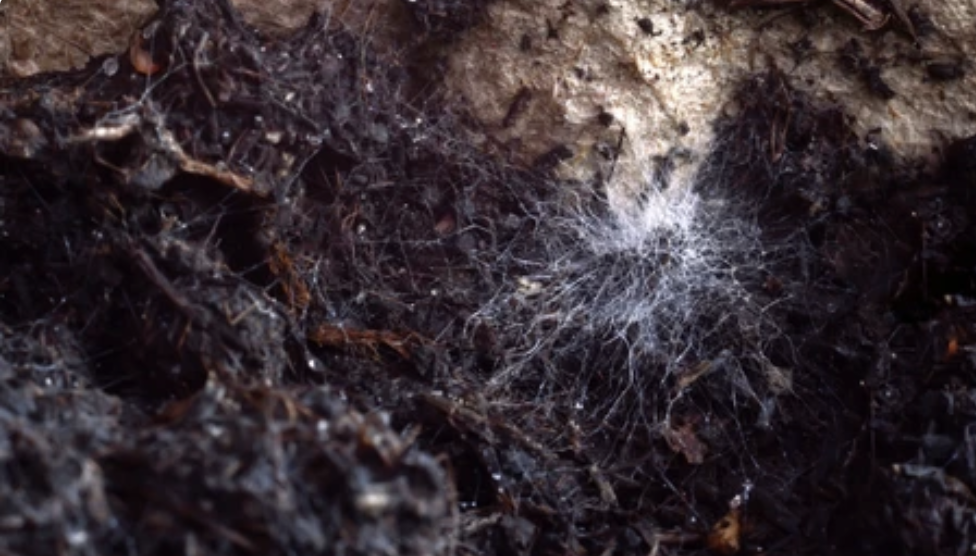
Beneath ordinary ground lies one of the most promising and underexplored frontiers in modern medicine. Scientists racing to outpace the global rise of antibiotic resistance are turning back to the soil, armed with technologies that are revealing an enormous reserve of untapped microbial chemistry that earlier generations of researchers never had the tools to access.
Antimicrobial resistance is already one of the most serious threats in global health. An estimated 4.95 million deaths were associated with antibacterial resistance worldwide in 2019 alone, and that number is rising. Meanwhile the pipeline of genuinely new antibiotics remains dangerously thin. Between 2017 and 2023, only 13 new antibacterial drugs received approval, and just two met meaningful standards for innovation. The urgency of finding alternatives has never been greater.
Why soil matters and why it was nearly abandoned
Many of the most important antibiotics in clinical use today, including tetracyclines and aminoglycosides, originated from soil microorganisms. The mid-20th century was defined by the systematic screening of soil bacteria, a period that produced the foundation of modern antibacterial therapy. But by the late 1960s that approach appeared to hit a wall. Researchers kept rediscovering the same compounds from the same common species, a problem now understood as the re-isolation crisis, and the assumption took hold that soil’s biosynthetic potential had been exhausted.
That assumption was wrong. The real obstacle was a technical one. Standard laboratory conditions can only culture an estimated 1 percent of environmental microorganisms. The remaining 99 percent, the microbial dark matter living in soil, were simply invisible to researchers using conventional methods. The pharmaceutical industry responded by pivoting toward synthetic drug development, but that approach produced compounds that often worked in laboratory settings but failed against real bacterial infections, particularly in difficult-to-treat bacteria whose outer membranes block most drugs from entering.
New tools changing everything
A convergence of modern technologies is now reopening the soil as a productive source of antibiotic discovery. Advances in genomic sequencing and metagenomics allow scientists to analyze the genetic material of soil microbes directly from environmental samples, bypassing the need to grow them in a laboratory at all. Genome mining tools can identify biosynthetic pathways encoded in microbial DNA that would never express themselves under standard conditions, revealing chemical blueprints for compounds that have never been synthesized or studied.
One of the most significant practical advances is a device called the iChip, a high-throughput cultivation platform that grows previously unculturable microorganisms by simulating their natural soil environment. In the iChip process, a diluted soil sample is loaded so that roughly one bacterial cell occupies each chamber, the device is sealed with semipermeable membranes and returned to the soil, where natural nutrients diffuse in during incubation. The result is the recovery of slow-growing and previously invisible organisms that conventional methods consistently missed.
What has already been found
These technologies have already produced meaningful discoveries. Teixobactin, isolated from a previously uncultured bacterium using the iChip, inhibits bacterial cell wall synthesis by binding to targets that are highly conserved across species, making resistance significantly harder to develop. Laboratory tests found no resistant mutants of two of the most dangerous bacterial strains under the conditions studied.
A more recent discovery, a compound called lariocidin, works through an entirely different mechanism, targeting a unique site on the bacterial ribosome. It shows broad-spectrum activity and a low tendency to generate resistance, and demonstrated effectiveness in an animal model of a notoriously difficult infection.
A double-edged resource
Soil is not only a source of new antibiotics. It is also a reservoir of resistance genes, and agricultural practices including the use of manure, treated wastewater and antibiotic residues are continuously adding to that reservoir. The same microbial ecosystems that may yield the next generation of life-saving drugs are also pathways through which resistance spreads among soil, water, food, animals and humans.
Researchers argue that progress on both fronts, discovery and stewardship, will be essential. The future of antibiotic therapy may depend as much on how carefully humanity manages the soil as on what it manages to find there.