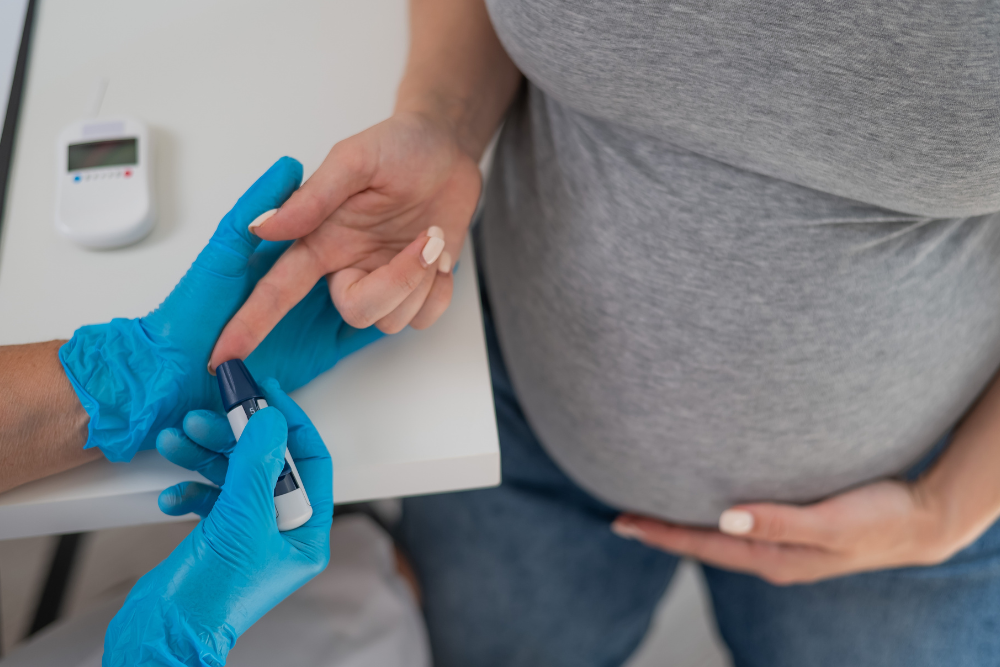
Gestational diabetes affects a meaningful share of pregnancies in the United States, yet many expecting parents encounter the term for the first time only after a routine test comes back abnormal.
The condition develops when hormones produced by the placenta interfere with how the body uses insulin, the hormone responsible for keeping blood sugar in a healthy range. When insulin cannot do its job effectively, glucose builds up in the bloodstream, typically surfacing between the 24th and 28th week of pregnancy. Unlike Type 1 or Type 2 diabetes, gestational diabetes appears specifically because of pregnancy and does not mean someone had diabetes beforehand.
How common gestational diabetes has become
According to the Centers for Disease Control and Prevention, between 8% and 10% of pregnant women in the United States develop gestational diabetes, a rate that has been climbing in recent years. Globally, the average runs higher, between 14% and 17%, with rates shifting based on factors including age, ethnicity, geography and access to prenatal care.
Risk climbs for people with a personal or family history of diabetes, those with obesity or high blood pressure before pregnancy, and those of South Asian, East Asian, Hispanic, Native American or Pacific Island descent who are over 25. Anyone can develop the condition, though, regardless of how carefully they eat or how active they are beforehand.
Symptoms rarely announce themselves
One of the more frustrating aspects of gestational diabetes is how quietly it tends to arrive. Most people notice no clear warning signs at all, which is why routine screening between weeks 24 and 28 has become standard practice. When symptoms do appear, they tend to be mild and easy to dismiss, including frequent urination, unusual thirst, fatigue or nausea.
Screening typically starts with a glucose challenge test, which involves drinking a sweetened liquid and having blood drawn an hour later. If results come back elevated, providers follow up with a more thorough glucose tolerance test performed after a period of fasting.
Managing blood sugar during pregnancy
Left unmanaged, gestational diabetes raises the risk of complications for both parent and baby, including preeclampsia, a higher likelihood of needing a cesarean delivery, and babies born at an increased birth weight who may face early breathing difficulties or low blood sugar after delivery. The encouraging news is that the condition responds well to treatment. Most people manage it through dietary adjustments alone, working with a nutritionist to balance proteins, carbohydrates and fiber while avoiding processed foods and sugary drinks.
Regular blood sugar monitoring becomes part of daily life, usually first thing in the morning and again roughly an hour after meals. The American College of Obstetricians and Gynecologists generally recommends staying below 95 milligrams per deciliter before a meal and under 140 one hour afterward. Some people also need insulin injections to keep levels steady, a decision made in partnership with a provider based on how well diet and monitoring alone are working.
What happens after the baby arrives
Blood sugar levels typically return to normal shortly after delivery, and providers usually retest between six and 12 weeks postpartum to confirm the condition has resolved. Still, about half of people who develop gestational diabetes go on to develop Type 2 diabetes later in life, which is why many providers recommend periodic glucose testing in the years that follow.
The overwhelming majority of babies born to parents with gestational diabetes arrive healthy, particularly when the condition is caught early and managed consistently throughout pregnancy. Staying on top of prenatal appointments and blood sugar readings remains the most reliable way to keep both parent and baby on track.
This is general health information and is not a substitute for medical advice. Anyone with concerns about gestational diabetes should consult their pregnancy care provider.