Alcohol occupies a uniquely protected space in the culture of nearly every society that has written its own history, and that protection has come at a biological cost that most drinkers have never fully audited. It appears at celebrations, at funerals, at the end of a hard workday, and at the beginning of a first date. That ubiquity has quietly insulated it from the scrutiny that other substances carrying comparable health risks would face, and the result is a population that is systematically underprepared for the biology behind a habit most people consider relatively harmless in modest amounts.
The body processes ethanol through the liver, where it is converted first into acetaldehyde, a metabolite considerably more toxic than ethanol itself. The liver then converts acetaldehyde into acetic acid, which disperses harmlessly, but the intermediate stage is where cellular damage accumulates. At sufficient volume and frequency, that damage progresses through fatty liver disease, alcoholic hepatitis, and eventually cirrhosis, a trajectory that is often entirely without symptoms until the disease is well advanced.
The brain and what regular drinking slowly changes
The central nervous system is among the organs most sensitive to sustained ethanol exposure. Regular consumption at levels many people consider moderate is associated with measurable reductions in gray matter volume, particularly in prefrontal regions governing memory, planning, and emotional regulation. These changes are not confined to people who drink at levels that meet clinical definitions of dependence.
Sleep quality is another area where drinking’s effects persistently confound expectations. Ethanol reduces the time to sleep onset in ways that feel sedating and restful, which reinforces the habit. What happens in the second half of the night is less visible. REM architecture is disrupted, the body attempts to compensate with rebound wakefulness as ethanol metabolism completes, and the restorative quality of sleep declines in measurable ways over weeks and months of consistent nightly drinking.
The cancer link most drinkers have never fully reckoned with
The International Agency for Research on Cancer classifies alcohol as a Group 1 carcinogen, placing it in the same category as tobacco. It raises the risk of malignancies affecting the mouth, throat, esophagus, liver, colon, rectum, and breast through several simultaneous mechanisms including direct cellular damage from acetaldehyde, oxidative stress, and interference with folate metabolism and estrogen regulation.
The cancer risk associated with drinking is not confined to heavy consumption. Light to moderate intake raises breast cancer risk in a dose-dependent relationship that has been replicated across large population studies and that most drinkers have never encountered in their reading about the health effects of the substance they consume several nights a week.
The path toward a more honest relationship with drinking
Changing a drinking habit is complicated precisely because alcohol performs so many social and psychological functions simultaneously. It manages anxiety, signals celebration, lubricates conversation, and marks the transition between work and rest. Willpower-based reduction that ignores those functions tends to be fragile and short-lived. Approaches that identify what each alcohol occasion is actually doing and build alternatives that meet the same underlying need tend to be considerably more durable and more satisfying over time.
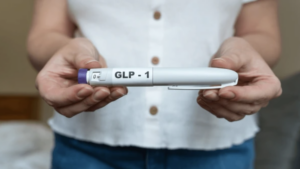
Healthcare providers now have access to pharmacological and behavioral interventions that meaningfully improve outcomes for people who want to reduce or eliminate their drinking. Those tools are available earlier in the spectrum of alcohol-related concern than most people realize. The conversation about accessing them is worth having well before a diagnosis makes it urgent, and most providers approach it without the judgment many patients anticipate.
Understanding the risks of alcohol in full, not the version that stops at liver disease but the version that includes cancer risk, cognitive aging, and sleep architecture disruption, is the foundation of any genuinely informed decision about how much or how little to drink. Most people have simply never been offered that full and honest version.