You can lower your blood pressure naturally by eating more fruits, vegetables and whole grains, cutting back on salt, moving your body most days, losing extra weight, limiting alcohol, quitting tobacco, sleeping seven to nine hours and managing stress. According to Mayo Clinic, regular aerobic exercise alone can lower blood pressure by about 5 to 8 points, and a healthy diet can drop the top number by up to 11.
That matters a lot for Black families. Black adults have some of the highest rates of high blood pressure in the world. Many of the foods that help bring it down are already on the holiday table. The problem is usually the salt and seasoning that come with them.
How common is high blood pressure in Black communities?
It’s very common. According to the CDC, 58% of Black adults had high blood pressure in 2021 through 2023, compared with 44.5% of all U.S. adults. Control is the bigger problem. The American Heart Association says only about 22% of Black adults with high blood pressure have it under control.
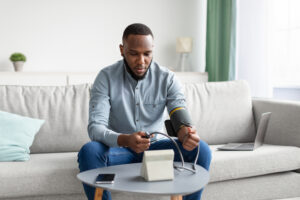
High blood pressure often has no symptoms. Many people feel fine while it quietly damages their heart, kidneys and brain. Home monitors and pharmacy kiosks make it easy to check.
Which foods help lower blood pressure naturally?
Plenty of them are already familiar. The National Council on Aging lists collard greens and other leafy greens, sweet potatoes, bananas, beans, berries, oatmeal, fatty fish like salmon, unsweetened yogurt and unsalted pistachios. Greens contain nitrates that may help relax blood vessels. Sweet potatoes and bananas are rich in potassium, which helps the body get rid of sodium.
Those foods fit the DASH diet, which focuses on fruits, vegetables, whole grains, low-fat dairy, fish, poultry, beans and nuts.
Can soul food be good for blood pressure?
Yes, with a few changes. A pot of collards is a blood pressure food. A pot of collards simmered with salt pork and a heavy hand of seasoning salt is a different dish. Candied yams covered in sugar and butter aren’t the same as baked sweet potatoes either.
You don’t have to give up the food your family loves. Season greens with onion, garlic, red pepper flakes and a splash of vinegar instead of salty pork. Bake sweet potatoes and finish them with cinnamon. Go easy on canned goods, boxed mixes and deli meats, which are among the saltiest foods in the store. Mayo Clinic suggests a potassium-based salt substitute, but check with your doctor first if you have kidney disease or take certain blood pressure medicines, because extra potassium can be dangerous in those cases.
How much salt is too much?
Less than most people eat. Federal dietary guidelines say adults should eat less than 2,300 milligrams of sodium a day, about one teaspoon of salt. For people with high blood pressure, the American Heart Association recommends no more than 1,500 milligrams. Most sodium comes from processed and restaurant food, not the salt shaker.
What other habits lower blood pressure without medicine?
Movement helps quickly. Aim for 150 minutes of moderate activity a week, such as brisk walking or dancing, plus strength training twice a week. Losing weight is the single strongest lifestyle factor, and blood pressure drops about 1 point for every 2.2 pounds lost. Sleep matters too, and untreated sleep apnea can raise blood pressure. If you drink, Mayo Clinic advises one drink or fewer a day, and not every day.
Stress counts as well. Church, family and community can support your health, whether that’s a walking group after service or a cousin who checks your numbers with you.
When is high blood pressure an emergency?
Know these warning signs. A reading of 180 over 120 or higher is considered a hypertensive crisis. Call 911 if a high reading comes with chest pain, shortness of breath, severe headache, vision changes, confusion, or numbness or weakness on one side of the body.
Can lifestyle changes replace blood pressure medicine?
Sometimes, but not always. Lifestyle changes may prevent, delay or reduce the need for medicine. Many people still need it, and that isn’t a failure. If your doctor prescribed medication, keep taking it and talk with them before making changes. The most effective approach is usually medication and healthy habits working together.