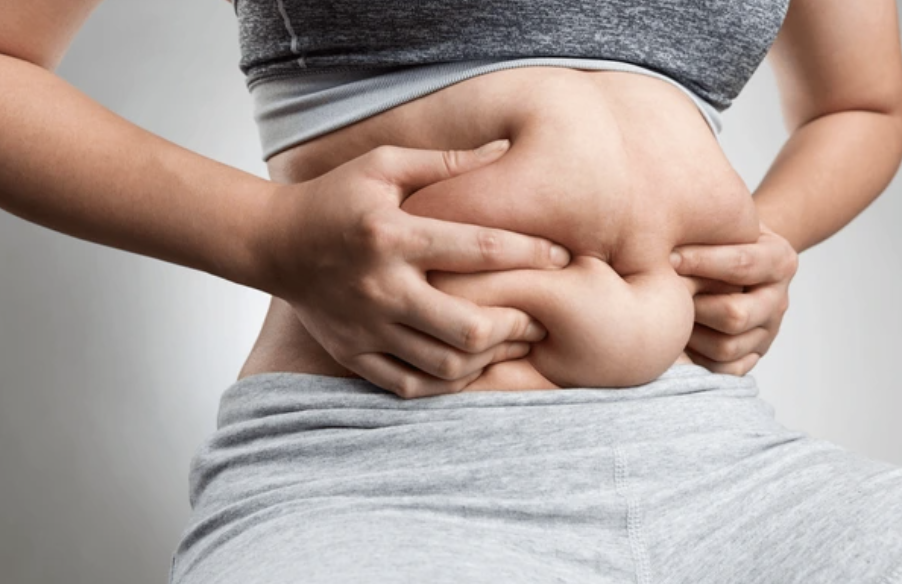
You lose belly fat by losing weight overall. You can’t target your stomach alone. Cleveland Clinic psychologist and registered dietitian David Creel says no one can control exactly where each pound comes off, but reducing visceral fat, the deep fat that surrounds your organs, protects your health. He says losing 5% to 10% of your body weight can improve blood pressure, blood sugar, cholesterol, mobility and even sexual function.
A round midsection, often called an apple shape, can be a sign of visceral fat, which raises the risk of diabetes and heart disease. That is why losing belly fat is about much more than looking good at the beach. These six lifestyle changes can make a real difference.
1. Get your heart rate up to lose belly fat
Cardio burns calories and cuts total body fat, including belly fat. Cleveland Clinic recommends at least 150 minutes of moderate cardio a week. A brisk walk, a bike ride, laps in the pool or a pickup game of basketball all count. Exercise also improves sleep and lowers stress. Choose something you enjoy, because you are more likely to stick with it.
2. Build muscle instead of chasing crunches
Crunches and planks strengthen your abs, but Creel says they do not burn the fat sitting on top of them. Strength training helps in a different way. It builds muscle, and muscle burns more calories even between workouts. Aim for two or three sessions a week with push-ups, squats, lunges, resistance bands, dumbbells, kettlebells or Pilates.
3. Watch your drinks and hidden sugar
Liquid calories add up fast without filling you up. Creel points out that three whole oranges will keep you fuller than a large glass of orange juice with the same number of calories. Switching to diet soda is a step in the right direction, but researchers are still studying how artificial sweeteners affect cravings and blood sugar over time. Water is the safest choice.
Alcohol adds more than its own calories, since wings tend to show up with the beer. Added sugar also hides in cereal, protein bars, barbecue sauce, pasta sauce and salad dressing, so read the labels.
4. Fill your plate with fiber and protein
Soluble fiber slows digestion and keeps you full longer. Beans, lentils, split peas, apples, berries and broccoli are good sources. Spread protein throughout the day, and choose snacks like Greek yogurt or string cheese. Swap white bread and chips for whole grains, brown rice and beans. Prepping meals ahead of time makes all of this easier on busy nights.
5. Protect your sleep
Sleep may be the most underrated tool for losing belly fat. In a Mayo Clinic study, people limited to four hours of sleep a night ate about 300 more calories a day than those who slept nine hours. Their overall body fat stayed about the same, but they built up more visceral fat. The sleep-deprived group saw an 11% increase in visceral fat, even though the participants were young, healthy and fairly lean.
Aim for at least seven hours a night. Turn off screens an hour before bed, and go to sleep and wake up at the same times each day.
6. Lower stress and track your habits
Stress raises cortisol, which is linked to more visceral fat. Creel says the bigger problem is that stressed people often eat for comfort without noticing. Yoga, meditation, breathing exercises, time outdoors and talk therapy can all help. Keeping a food and exercise log also works, because people who track their habits tend to reach their goals more often.
How long does it take to lose belly fat?
There is no set timeline. Genes, your environment and your metabolism all affect how quickly you lose weight. If you feel stuck, a primary care doctor or registered dietitian can help, and medication or weight loss surgery may be options for some people. Creel says small changes bring health benefits even before the scale moves, so be patient.