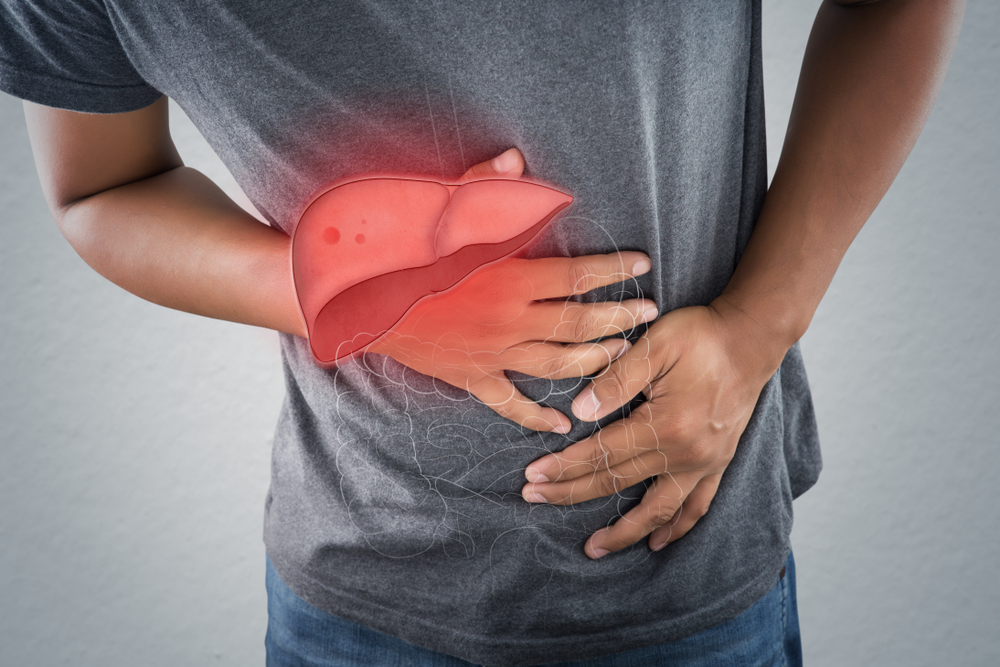
What are the signs of liver damage? Early on, there often aren’t any. The liver can lose a lot of function before it shows obvious symptoms, and much liver damage goes unnoticed until it reaches cirrhosis. When signs do appear, the most common are fatigue that won’t go away, yellowing of the eyes or skin, dark urine, pale stool, itching, swelling in the legs or belly, and bruising more easily than usual.
Why pay attention now? Liver disease is becoming more common, especially among younger adults. The good news is that the liver can repair itself when damage is caught early. For Black adults, though, the biggest risk may not be the one most people talk about.
Which signs of liver damage show up first?
Early symptoms are vague and easy to blame on stress or a stomach bug. They include ongoing tiredness, loss of appetite, nausea, mild discomfort in the upper right side of the belly, bloating, trouble tolerating fatty foods and weight loss you can’t explain. Symptoms like these that last for weeks are worth mentioning to a doctor.
What are the more serious signs of liver damage?
As damage progresses, the signs become harder to ignore.
- Yellowing of the skin or the whites of the eyes, called jaundice.
- Urine that looks brown, orange or amber.
- Stool that is pale, gray, clay colored or greasy.
- Itching that won’t stop and doesn’t come with a rash.
- Bruising or bleeding more easily than normal.
- Swelling in the legs, ankles or belly.
- Small, spider-like blood vessels on the chest, neck or face.
- Red palms.
- Confusion, brain fog or memory problems.
- Muscle loss and weakness.
Vomiting blood is a medical emergency. Get care right away.
On darker skin, yellowing and redness can be harder to see. The whites of the eyes are usually the clearest place to spot jaundice, so check them in good light.
What is the biggest liver damage risk for Black adults?
This is where most liver guides miss something. Fatty liver disease, now called MASLD, affects about 42% of U.S. adults. In that research, though, Black adults had the lowest rate of fatty liver disease of any group.
Hepatitis C is a different story. National surveys have found it is roughly twice as common among Black Americans as among the rest of the population, with the highest rates among Black men in their 40s. In CDC data for 2023, the hepatitis C death rate for Black Americans was 1.7 times the rate for white Americans.
About 2.4 million people in the U.S. are living with hepatitis C, and about 3 in 4 have no symptoms. Once symptoms appear, the damage is usually advanced. The hopeful part is that hepatitis C can be cured with pills, and the CDC recommends that every adult be tested at least once. That simple blood test may be the most important liver check a Black adult can get.
What causes liver damage?
The most common causes are heavy, long-term drinking, viral hepatitis B and C, and MASLD, which is closely tied to obesity, diabetes and high cholesterol. Other causes include autoimmune hepatitis, bile duct diseases, genetic conditions like Wilson’s disease and hemochromatosis, and exposure to toxins or certain medications.
Dr. Themis Kourkoumpetis, a transplant hepatologist at Baylor Scott & White All Saints Medical Center in Fort Worth, points to modern habits as a big driver. Too little exercise, too much soda and fast food, and rising rates of diabetes, high cholesterol and obesity are all part of the problem.
Can liver damage be reversed?
Often it can, if it’s caught early. Fatty liver disease and mild damage from alcohol or hepatitis can frequently be reversed by cutting back on alcohol, eating better, losing weight or taking antiviral medicine for hepatitis. Once damage reaches advanced scarring or cirrhosis, it is much harder to undo. At that stage, treatment focuses on slowing the disease and preventing complications, and a transplant may eventually be needed.
Skip the trendy liver detoxes. They have not been shown to prevent or reduce liver disease.
When should you see a doctor about liver damage?
See a doctor if you notice more than one of these signs, if early symptoms won’t go away, or if you have risk factors and haven’t had your liver checked. Ask for liver enzyme tests and, if you’ve never had one, a hepatitis C screening. The liver works hard and rarely complains. When it does, it’s worth listening.
This article is for general information and is not medical advice.