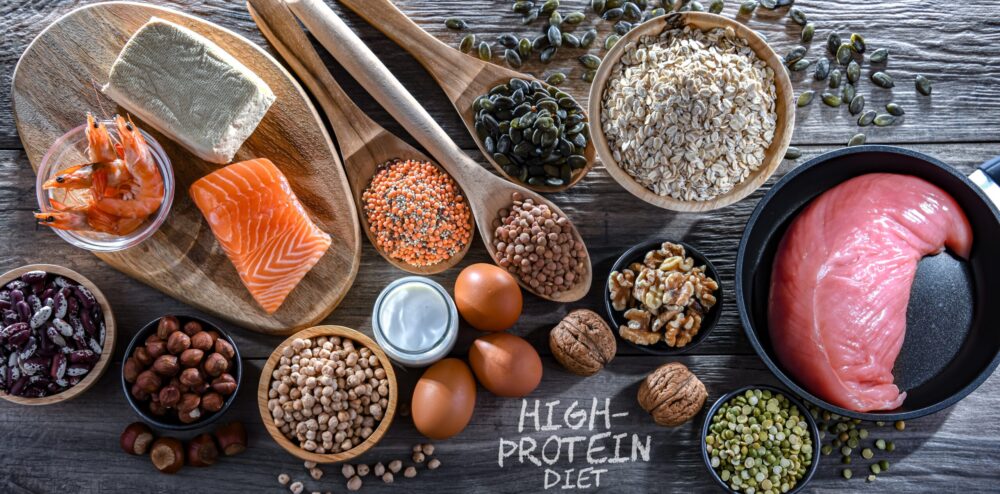
Protein has become one of the biggest stars of modern nutrition. Grocery store shelves are filled with protein-packed foods and drinks, while social media is full of advice about how much people should consume to build muscle, lose weight and support healthy aging.
But nutrition experts say more protein is not automatically better.
Researchers and dietitians continue to study how much protein people need, how much may be excessive and how protein fits into a balanced diet. While some questions remain unanswered, experts have identified several practical guidelines that can help people make smarter choices.
1. Find your protein sweet spot
Protein is essential for maintaining muscle, supporting metabolism and helping the body perform a variety of important functions. It may also help with weight management and preserving strength as people age.
For many adults, research suggests that consuming roughly 1.2 to 1.6 grams of protein per kilogram of body weight each day can be a useful target. That translates to about 0.6 to 0.8 grams per pound.
For someone who weighs 140 pounds, that would equal approximately 84 to 112 grams of protein per day.
Individual needs can vary based on factors including age, activity level and health goals. Someone who exercises regularly may have different requirements from someone who is sedentary.
People who are eating significantly less food may also need to pay particular attention to protein. Reduced appetite, certain medications, illness or normal age related changes can make it harder to consume enough.
2. Focus on protein quality, too
Getting enough protein is only part of the equation. The foods providing that protein matter as well.
Protein is made up of amino acids, including several essential amino acids that the body cannot produce on its own. Different foods contain different combinations and amounts of these building blocks.
Animal based foods such as eggs, poultry and fish are generally rich sources of essential amino acids. Soy is another protein source that can provide a strong amino acid profile.
Plant foods such as beans, whole grains and seeds can also contribute valuable protein and other nutrients. Combining different plant-based foods throughout the day can help provide a broad range of amino acids.
The bigger picture matters, too. Whole foods can provide vitamins, minerals, fiber and other nutrients alongside protein, making them useful foundations for a balanced diet.
3. Don’t let protein replace everything else
The popularity of protein can sometimes cause people to overlook other essential parts of a healthy diet.
A meal that is packed with protein but lacking in vegetables, fruits, whole grains or healthy fats is not necessarily well balanced. Eating excessive amounts of protein can also leave people feeling too full to consume other foods their bodies need.
Carbohydrates, in particular, still have an important role in nutrition. Choosing high fiber sources such as whole grains, fruits and vegetables can support overall health and may be more beneficial than simply increasing protein intake.
For people trying to lose body fat while maintaining muscle, protein works best as part of a broader approach that includes nutritious foods and appropriate calorie intake.
4. Pair protein with resistance exercise
Eating more protein alone will not automatically build more muscle. Resistance training is another critical part of the equation.
Activities such as weightlifting, bodyweight exercises and resistance-band workouts provide the stimulus muscles need to adapt and become stronger. Protein then supplies amino acids that support muscle repair and maintenance.
This becomes especially important with age, when maintaining muscle and strength can help support mobility and independence.
Experts also caution against assuming that everyone needs the extremely high protein intakes promoted online. The goal for most people is not to consume as much protein as possible, but to consume an appropriate amount consistently while maintaining an active lifestyle.
Protein is only one piece of the picture
Scientists still have questions about the long term effects of very high protein consumption and whether there is a single ideal intake for everyone. The answer can depend on what a person is trying to achieve and the foods providing the protein.
That distinction is important because protein does not exist in isolation. People eat meals, not individual nutrients, and the overall pattern of those meals can have a greater impact on health than any single food trend.
A diet centered on a variety of minimally processed foods, adequate protein, fiber rich carbohydrates, healthy fats and plenty of fruits and vegetables offers a more balanced approach than simply chasing a higher protein number.
For most people, the takeaway is straightforward: Get enough protein, choose nutritious sources, stay active and leave room on the plate for the other foods your body needs