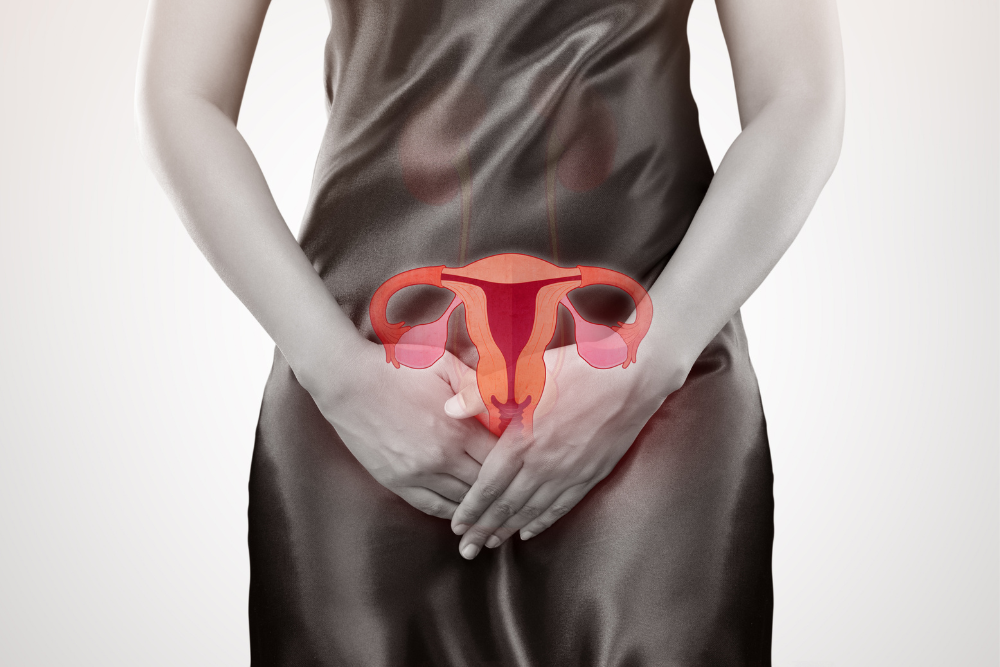
Ovarian cysts are turning up more often in postmenopausal women, largely because more people are undergoing imaging for unrelated reasons and cysts get spotted along the way. That discovery almost always triggers the same anxious question, whether the finding signals cancer. Updated clinical guidance from the Royal College of Obstetricians and Gynaecologists aims to answer that question more efficiently, steering most women away from unnecessary testing while still catching the cases that genuinely need specialist attention.
Why most cysts turn out to be harmless
The vast majority of ovarian cysts found after menopause are simple fluid filled sacs with no solid components, and the overwhelming majority of those are benign. Despite that reassuring reality, fear of malignancy has historically pushed many patients and their doctors toward further testing or surgery even when the odds of cancer are low. The updated guidance is meant to correct that pattern by giving clinicians clearer criteria for deciding which cysts warrant closer scrutiny and which can simply be left alone.
A major update on follow up scans
The most significant change, issued in December 2025, addresses how often small cysts need to be rechecked. Under the new guidance, a unilateral, single chambered simple cyst measuring three centimeters or smaller no longer requires routine follow up imaging at all. The update reflects a joint consensus from the Royal College of Obstetricians and Gynaecologists, the Royal College of Radiologists, the British Gynaecological Cancer Society and the British Society of Urogenital Radiology, marking a notable shift away from the more cautious monitoring schedules used in the past.
How doctors assess risk
For cysts that fall outside those low risk parameters, doctors typically rely on a combination of imaging and blood work to judge malignancy risk. Transvaginal ultrasound remains the primary imaging tool, sometimes supplemented by an abdominal scan or MRI when a cyst is unusually large. A blood test measuring CA125, a protein that can rise in the presence of ovarian cancer, often factors into the evaluation as well, though doctors are cautioned against relying on it alone. A high CA125 reading can support a cancer diagnosis, but a normal result does not rule one out, since the marker can be elevated by unrelated conditions or stay within normal range even when cancer is present. Physicians typically combine ultrasound findings, CA125 levels and menopausal status into a composite score known as the Risk of Malignancy Index to guide next steps.
When specialist referral makes sense
The guidance is also designed to clarify when a case belongs with a general gynecologist versus a specialist gynecological oncology team. Cysts with more complex features, larger size or elevated risk index scores are generally directed toward oncology specialists for further evaluation, while straightforward, low risk cysts can typically be managed within routine gynecological care. That distinction matters both for patient outcomes and for avoiding the strain that unnecessary referrals place on specialist services.
What this means for patients
For women recently told they have a small ovarian cyst, the update offers a clear and reassuring takeaway. If imaging shows a simple, single chambered cyst measuring three centimeters or less, there is generally no need for repeat scans or ongoing monitoring under current guidance. Anyone with symptoms, a growing cyst or more complex imaging findings should still expect further evaluation, and any concerns are always worth raising directly with a doctor. The update represents a broader trend in gynecological care, aiming to reduce invasive or costly testing for the many patients whose cysts pose little to no risk, while preserving close attention for the smaller number of cases where it truly matters.