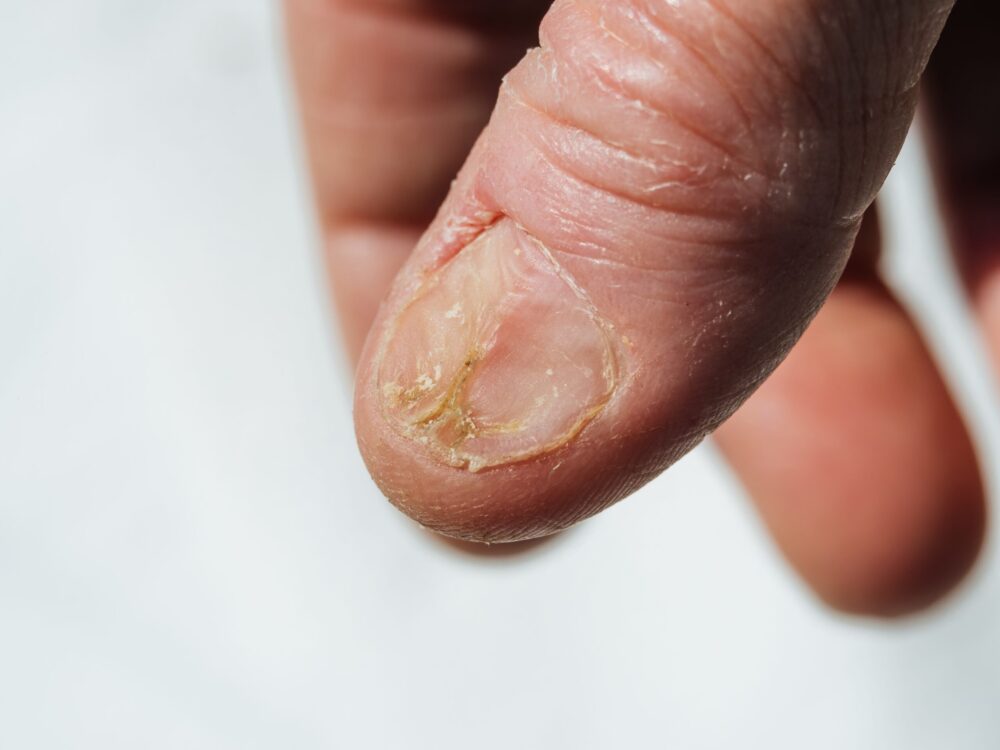
Nail changes are among the most consistently overlooked early indicators of conditions developing elsewhere in the body. A slight change in color, a new ridge running the length of the plate, a texture that has shifted from smooth to brittle without an obvious external cause, these are changes that most people attribute to something topical and temporary and that clinicians trained to look at this tissue systematically recognize as potential windows into systemic health.
The nail grows from a matrix of cells at its base, and everything that affects those cells, including nutritional sufficiency, circulatory efficiency, hormonal balance, and immune activity, leaves a record in the nail tissue that emerges. That record does not always indicate something serious. But it is reliable enough that a careful visual examination of the nails is part of the physical assessment conducted by dermatologists and general practitioners who are looking for signs of conditions that have not yet announced themselves through more obvious symptoms.
The color changes that carry the most clinical weight
Pale or white nails, where the healthy pink tone of good blood supply to the tissue beneath is absent or dramatically reduced, can reflect anemia, liver dysfunction, or circulatory compromise. The visual effect is produced by the same mechanism that produces pallor in the face during illness, reduced perfusion of tissue that lies just beneath a translucent surface.
Yellow discoloration of the plate is most frequently the result of fungal infection, which is common, often underestimated in duration, and significantly undertreated. Less commonly it appears in association with lymphatic conditions or chronic respiratory disease. Green or black discoloration tends to reflect bacterial infection of the tissue beneath the plate, typically following some form of trauma that allowed entry.
Longitudinal dark bands running from the matrix to the free edge of the nail warrant evaluation by a dermatologist, particularly in individuals who do not have naturally darker nail pigmentation. A small proportion of these bands represent subungual melanoma, a form of skin cancer originating beneath the plate that carries a considerably better prognosis when identified at an early stage than when it is discovered after significant progression.
The structural changes that point inward
Nail pitting, small depressions distributed across the plate surface, is one of the most reliable physical indicators of psoriasis available through simple visual examination. It appears in a meaningful percentage of psoriasis cases before skin plaques develop, making a careful look at the fingertips a potential tool for earlier identification of a condition with systemic inflammatory implications beyond the skin.
Horizontal grooves crossing the full width of the plate, known as Beau’s lines, form when the matrix temporarily reduces or halts production in response to significant physiological stress. Severe illness, chemotherapy, marked nutritional deficiency, and major surgery can all trigger them. Their position on the plate reflects when the disruption occurred, since the tissue grows at a predictable and measurable rate.
Spoon-shaped curving of the plate edges upward rather than following the gentle natural arc of the fingertip is associated with iron-deficiency anemia. Clubbing, the progressive rounding and broadening of the fingertip with a convex arc of the plate over the tip, points toward chronic low oxygen states tied to lung or cardiac conditions and deserves investigation rather than observation.
The practical habits that actually protect this tissue
Most of what determines nail condition originates beneath the surface. Protein adequacy, iron and vitamin status, hydration, thyroid function, and circulatory health all shape what the matrix produces before any topical product has any opportunity to interact with the result. Addressing the internal variables produces more durable improvement than any external treatment reliably does.
External habits play a supporting role. Limiting prolonged water exposure, protecting the hands during cleaning and chemical work, and using acetone-based removal with appropriate patience rather than mechanical peeling all reduce the structural damage that accumulates from outside. Any change that persists, spreads, or is accompanied by pain or bleeding belongs in a dermatology appointment rather than a product comparison.