Hypertension has become one of the most widespread and least controlled health conditions on the planet, affecting an estimated 1.4 billion adults between the ages of 30 and 79 as of 2024, according to the World Health Organization.
A condition that hides in plain sight
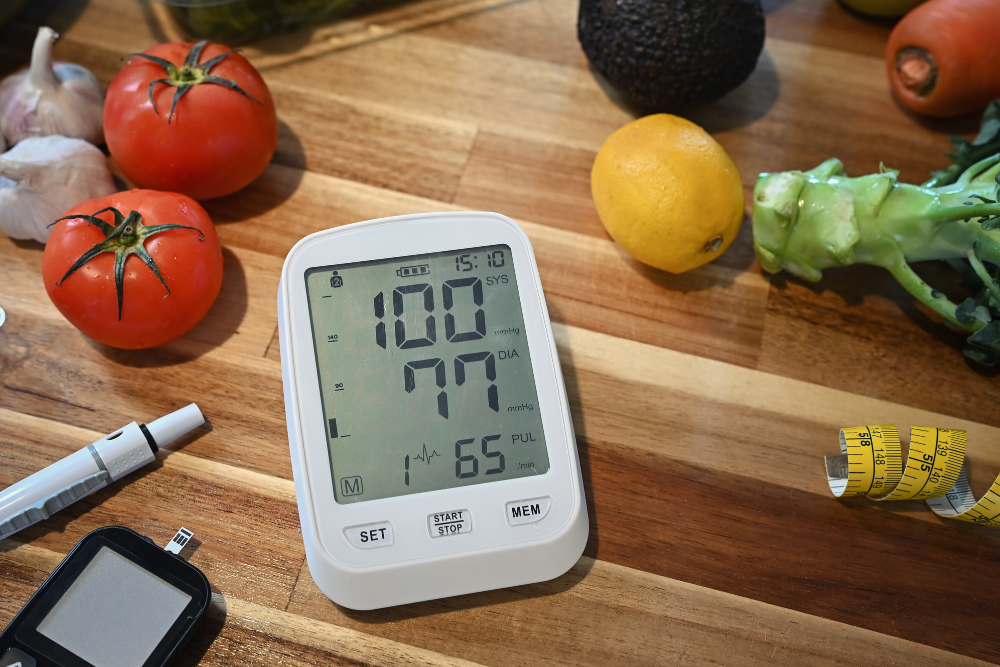
That figure represents 33% of adults in that age range worldwide, and the burden falls unevenly. Roughly two thirds of those affected live in low and middle income countries, where access to screening and treatment tends to be far more limited. Hypertension, commonly known as high blood pressure, occurs when the force of blood against artery walls stays too high over time, typically defined as a reading of 140 over 90 or higher. Because it rarely produces noticeable symptoms, many people live with it for years without realizing anything is wrong. The only reliable way to catch it is through a blood pressure check, which the WHO notes is quick and painless.
Why so many cases go untreated
Global data paints an uneven picture of awareness and care. About 600 million adults with hypertension, or 44%, do not know they have the condition at all. Roughly 630 million, also 44%, have been diagnosed and are receiving treatment. Yet only about 320 million, or 23%, actually have their blood pressure under control. That gap between diagnosis and control has become a central challenge for public health systems, particularly as the number of adults with hypertension has more than doubled since 1990, when it stood at 650 million. Much of that growth traces back to aging populations in lower income countries rather than a rise in risk per person.
The hidden hypertension risk factors
Several everyday habits and conditions raise the likelihood of developing high blood pressure. Age, genetics and family history play a role that cannot be changed, but many other contributors are modifiable. Diets heavy in salt, saturated fat and trans fats increase risk, as does limited physical activity, tobacco use, excessive alcohol consumption and carrying extra weight. Air pollution has also emerged as a significant environmental factor. When blood pressure climbs to very high levels, typically 180 over 120 or above, symptoms can include severe headaches, chest pain, difficulty breathing and blurred vision, all of which warrant immediate medical attention.
Treatment and what comes next
Left unmanaged, hypertension can quietly damage the heart, brain and kidneys over time, contributing to heart attacks, stroke, heart failure and kidney disease. The WHO recommends a mix of lifestyle changes and, when necessary, medication. Eating a lower salt diet, staying physically active, maintaining a healthy weight and avoiding tobacco can meaningfully lower blood pressure on their own. For people with existing cardiovascular disease, diabetes or chronic kidney disease, doctors generally aim for a reading below 130 over 80. For most others, the target is under 140 over 90. Common medications include ACE inhibitors, angiotensin receptor blockers, calcium channel blockers and diuretics, each working through a different mechanism to ease pressure on the arteries.
Since 2016, the WHO has worked with the United States Centers for Disease Control and Prevention through the Global Hearts Initiative to help countries build stronger hypertension treatment systems. More than 13.5 million people across over 40 low and middle income countries have since been enrolled in structured, protocol based treatment programs, offering early evidence that consistent, well organized care can move the needle on a condition that so often goes unnoticed until it becomes serious.