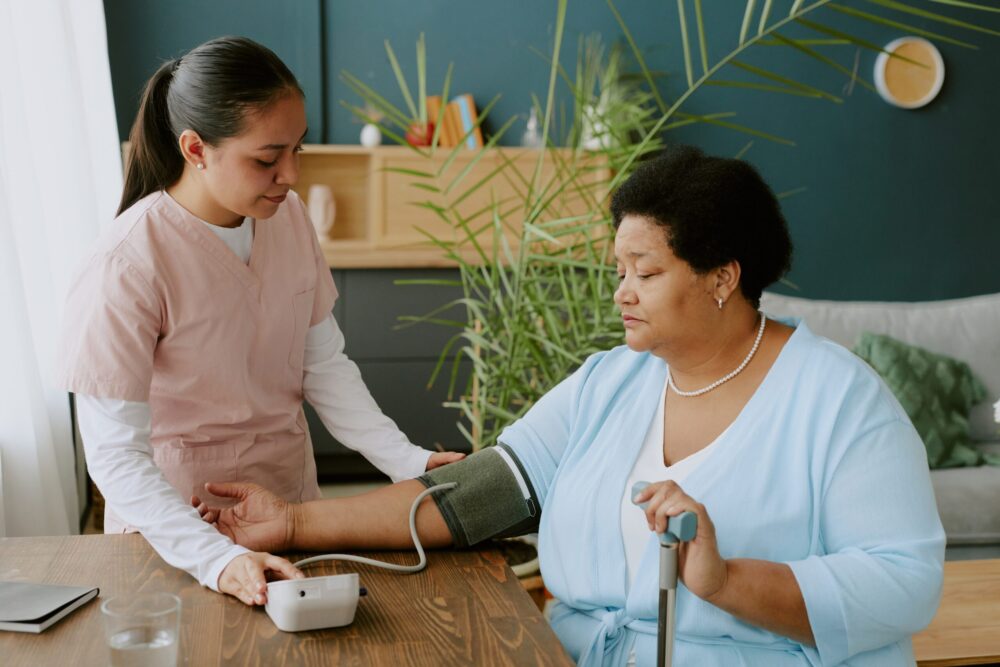
Nearly half of all adults in the United States live with high blood pressure, and many spend their days eating better, moving more and keeping stress in check. But once 5 p.m. arrives, those good intentions often fade. Experts say the shift from work mode to relaxation mode can quietly undo hours of healthy choices, since blood pressure is naturally supposed to drop in the evening rather than spike.
Dietitians and cardiovascular experts point to five evening habits that may work against people with hypertension, along with simple swaps that help.
1. Having a drink to unwind
For years, moderate drinking was thought to offer some heart benefits, but that thinking has shifted. The American Heart Association and the American College of Cardiology now recommend limiting alcohol to one drink daily for women and two for men, if cutting it out entirely isn’t realistic. Beer, wine and spirits all trigger a similar stress response, releasing hormones that raise blood pressure even at low levels of intake. Drinking less, or skipping alcohol altogether, is linked to healthier blood pressure overall.
2. Reaching for the wrong pain reliever
A headache at the end of a long day often sends people straight to ibuprofen or naproxen. Both are nonsteroidal anti-inflammatory drugs, or NSAIDs, and both can raise blood pressure in some people. The American Heart Association suggests acetaminophen as a safer option for those managing hypertension. Decongestants used for evening sinus headaches can also raise blood pressure, so anyone who regularly reaches for over the counter medication should check with a doctor about alternatives.
3. Ordering high sodium takeout
Dinner tends to be the saltiest meal of the day, largely because portions are bigger, dishes are more complex and the meal is more likely to come from a restaurant. That doesn’t mean takeout has to disappear, but building more dinners at home around simple, minimally processed foods can help. Fruits, vegetables, lean meats, beans and whole grains, seasoned with herbs and spices instead of heavy salt, can come together as quickly as a delivery order.
4. Losing track of time in front of a screen
One episode turns into three, and suddenly it’s well past bedtime. Extended screen time has been linked to several markers of poor heart health, including high blood pressure. Long stretches of sitting cut into movement, while intense or fast paced shows can raise stress and anxiety. Screen time that eats into sleep compounds the problem, since blood pressure is supposed to fall during rest, and poor sleep triggers stress hormones that constrict blood vessels and raise heart rate. Setting a soft cutoff for screens can help protect both sleep and blood pressure.
5. Snacking on something sweet
Roughly two thirds of Americans snack in the evening, and sugar is often the go to choice. Eating a lot of sugar at night spikes blood sugar, which triggers an insulin response to bring glucose levels back down. An occasional treat isn’t a problem, but regular late night sugar can lead to less stable blood sugar and insulin patterns over time, which may indirectly affect blood pressure. Moving dessert earlier in the day, rather than right before bed, is an easy fix that doesn’t require giving up sweets.
Small habits that add up
Beyond the evening hours, a handful of daily habits can support healthier blood pressure long term. Regular movement, especially outdoors, eases stress and helps lower blood pressure, even in short bursts like a midday walk. Potassium rich foods such as fruits, vegetables, beans, lentils and low fat dairy counteract sodium’s effects and are often easier to build a habit around than simply cutting salt. The DASH eating pattern, built around whole grains, produce, nuts and low-fat dairy, naturally increases potassium, magnesium and calcium while keeping sodium low. Getting seven to nine hours of quality sleep and managing stress through mindfulness, deep breathing or light stretching round out the list.
The bottom line
Evenings tend to be when healthy habits slip, even for people who stay on track all day. Salty takeout, an extra cocktail, late night sweets, certain pain relievers and hours of screen time can chip away at blood pressure control over time. Prioritizing sleep, managing stress, staying active and choosing lower sodium meals in the evening can help keep blood pressure in a healthier range.