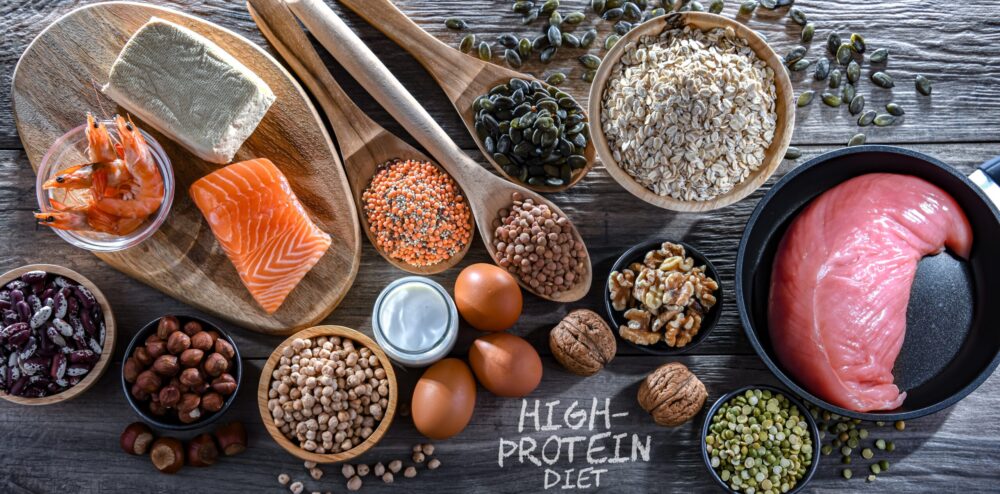
The most underestimated nutrient in your diet
Protein sits at the center of nearly every critical function the body performs, yet it remains one of the most misunderstood and most under-consumed nutrients across almost every demographic outside elite athletic circles. Most people associate it exclusively with muscle building, a perception that leads non-athletes to dismiss its relevance to their own health and daily eating patterns.
The reality is considerably more interesting. This macronutrient is the raw material for enzymes, hormones, immune molecules, and neurotransmitters. It is the primary structural component of skin, hair, nails, and connective tissue. And it is the most satiating of all three macronutrients, meaning it keeps hunger quieter for longer after a meal than either fat or carbohydrate does at an equivalent caloric load.
The protein gap most people do not know they have
Research consistently shows that most adults, particularly women, older adults, and people following plant-forward diets, consume meaningfully less of this nutrient than their bodies require for optimal function. General dietary guidelines have historically set recommendations at the level needed to prevent deficiency rather than the level needed to support health, body composition, and active aging.
Current evidence points toward a target of roughly 0.7 to 1 gram of protein per pound of body weight per day for most active adults, a figure substantially higher than the standard recommendations many people have internalized. For someone weighing 150 pounds, that means aiming for somewhere between 105 and 150 grams per day, a target that is surprisingly difficult to reach without intentional planning around every meal.
Why protein timing changes the result
The body can only effectively use a certain amount of this nutrient for muscle synthesis in any single sitting, generally estimated at around 30 to 50 grams per meal depending on individual factors. Eating the bulk of daily intake in one large meal while distributing little across the rest of the day is significantly less effective than spreading it relatively evenly across three or four eating occasions.
This matters particularly in the hours following resistance training, when muscles are most receptive to protein-driven repair and growth. Consuming a protein-rich meal or snack within a couple of hours of a workout meaningfully improves the adaptation response that makes training productive rather than simply tiring.
Plant sources and the completeness question
Plant-based eaters face an additional layer of planning. Most plant sources are incomplete, meaning they are low in one or more of the essential amino acids the body cannot produce independently. Combining complementary sources across the day, such as pairing legumes with grains, achieves the same complete amino acid profile that animal sources provide in a single food without any special effort.
Soy is the notable exception among plant foods, offering a complete and highly bioavailable profile that makes it a particularly valuable anchor in plant-forward diets. Tempeh, edamame, and tofu all deliver substantial protein alongside a nutritional profile that supports long-term health in multiple dimensions.
The aging connection that most people learn too late
After around the age of thirty, the body progressively loses muscle mass through a process called sarcopenia unless that loss is actively countered through adequate intake and consistent resistance training. The consequences compound over decades, contributing to frailty, metabolic slowdown, and the gradual loss of functional independence that shapes quality of life in later years more than almost any other factor.
Getting enough protein is one of the most accessible and most underutilized tools available for aging with genuine strength, mobility, and resilience across the full lifespan.
The frustrating truth is that most people are not failing to eat enough food. They are failing to structure their meals around a macronutrient that their body is quietly asking for at every stage of life. Adjusting that one variable, without overhauling everything else, often produces noticeable changes in energy, body composition, and appetite control within just a few weeks of consistency.