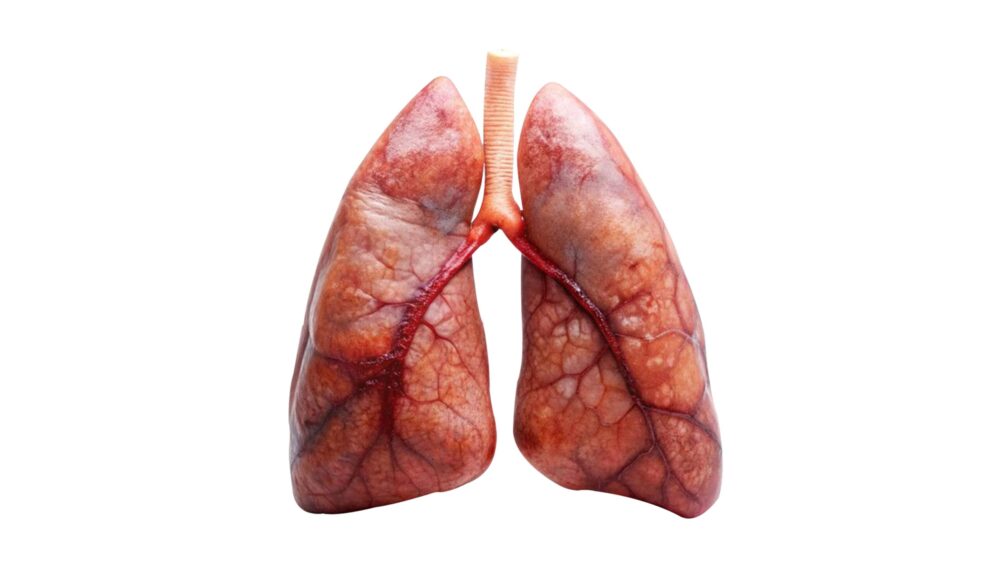
Lung cancer remains the deadliest malignancy in the United States, killing more Americans annually than breast, colon, and prostate cancers combined. Despite this sobering reality, a life-saving screening test exists that catches the disease at its earliest and most treatable stages, and the majority of people who qualify for it have never received it. The gap between eligibility and actual screening represents one of the most urgent and most achievable cancer mortality reduction opportunities in modern medicine.
Who should be getting lung cancer screening
Current clinical guidelines recommend annual low-dose computed tomography imaging for adults between the ages of 50 and 80 with a significant smoking history who currently smoke or have quit within the past 15 years. A 20 pack-year history, calculated by multiplying daily packs smoked by years of smoking, is the standard eligibility threshold. Someone who smoked one pack daily for 20 years or two packs daily for 10 years both meet this qualification regardless of how long ago they may have stopped.
Awareness remains the most significant barrier to closing the lung screening gap. Many eligible individuals simply do not know this test exists, do not realize they qualify, or assume their physician would have already recommended it if it were necessary. Healthcare providers also apply screening recommendations inconsistently, meaning the conversation often never happens unless the patient initiates it. Asking directly about eligibility at the next annual visit is the most straightforward path to finding out whether screening is appropriate.
The survival evidence behind this test is compelling. A landmark national trial demonstrated a 20 percent reduction in mortality among high-risk individuals who received low-dose CT imaging compared to those who received standard chest X-rays. Subsequent data suggest the benefit may be even larger when implemented with current imaging technology and structured follow-up protocols.
Why this disease is caught so late so often
The lungs contain no pain receptors, which means a growing tumor can reach a significant size without producing any sensation that would prompt a person to seek evaluation. The most common early symptoms including persistent cough, mild breathlessness, and declining exercise capacity are easy to attribute to aging, smoking history, or general deconditioning rather than to an active malignancy. By the time symptoms feel unmistakably wrong, the disease has frequently spread to lymph nodes or distant organs.
This pattern of late detection explains the disease’s devastating mortality rate. Five-year survival for advanced stage disease sits below 10 percent, while five-year survival for early stage lung cancer detected through screening approaches 90 percent. That gap between early and late detection outcomes is one of the most dramatic in all of oncology and makes the case for proactive lung screening among eligible individuals as clearly as any statistic in medicine.
Building better lung health habits beyond screening
Smoking cessation remains the single most powerful action any current smoker can take for their respiratory future. Lung function does not fully return to never-smoker levels after quitting, but it improves measurably within months and continues improving across subsequent years. The risk of developing this malignancy also drops steadily with each year of cessation, making it worthwhile to stop at any age.
Indoor air quality deserves more attention than it typically receives as a lung health factor. Radon, a radioactive gas that accumulates naturally in enclosed spaces, is the second leading environmental cause of this disease in the United States after tobacco. Home testing kits are inexpensive and widely available, and remediation when elevated levels are detected is a straightforward and highly effective protective measure.
Regular aerobic exercise supports lung health by strengthening respiratory muscles, improving oxygen exchange efficiency, and maintaining airway tissue elasticity over time. Adults who sustain consistent cardiovascular fitness preserve measurably better pulmonary function as they age compared to those who remain sedentary, regardless of their prior smoking history.