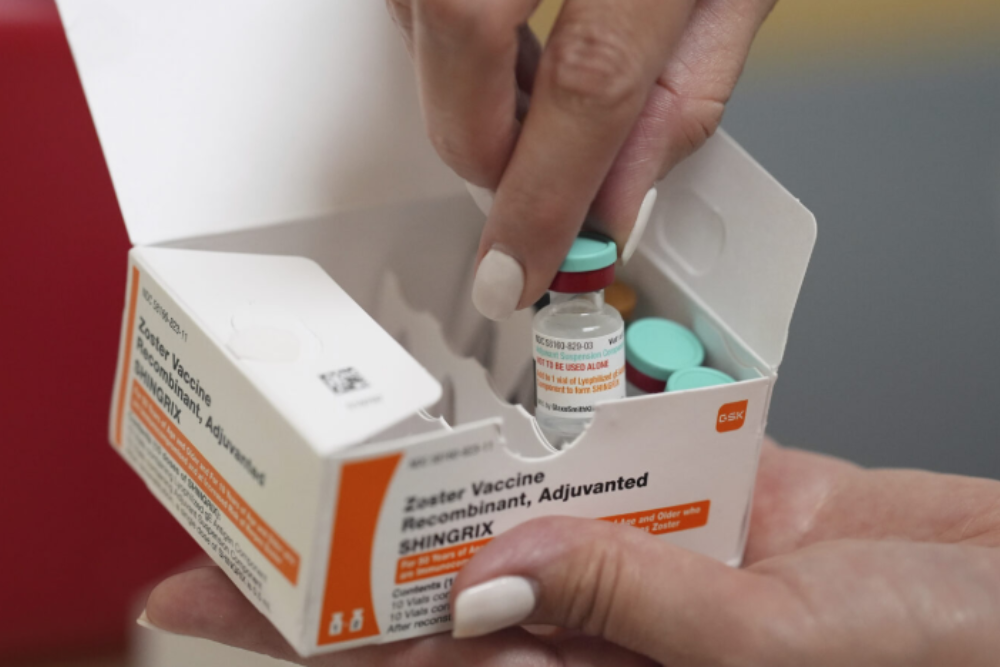
For years, the shingles vaccine has been recommended to older adults as protection against a painful viral flare-up that can follow anyone who has had chickenpox. New research now suggests that protection may extend well beyond nerve pain. A study published this week in the peer-reviewed journal Annals of Internal Medicine found that elderly nursing home residents who received at least one dose of Shingrix, the only shingles vaccine currently available in the United States, were 24% less likely to develop dementia over a four-year period compared to residents who went unvaccinated.
The finding adds a meaningful data point to a conversation that has been building in dementia research for several years. Scientists have increasingly turned their attention to the relationship between viral infections and cognitive decline, and the varicella-zoster virus, which causes both chickenpox in childhood and shingles in later life, has emerged as a subject of particular interest.
What the shingles vaccine study found
The study focused on nursing home residents, a population that carries elevated dementia risk due to age and underlying health conditions. Researchers tracked outcomes over four years, comparing those who had received the vaccine against those who had not. The 24% reduction in dementia incidence among vaccinated residents was statistically significant and held up in the peer-review process at one of the field’s most respected journals.
The implications, if confirmed through additional research, are substantial. Shingrix is a widely available, two-dose vaccine that is already recommended for adults 50 and older regardless of prior shingles history. If the vaccine’s benefits extend to reducing dementia risk, the public health case for uptake strengthens considerably.
Why researchers think there may be a connection
The biological explanation for the link between shingles and dementia is still being worked out, but researchers have put forward several mechanisms worth considering. The varicella-zoster virus remains dormant in the nervous system after an initial chickenpox infection and can reactivate decades later as shingles. There is growing evidence that this reactivation may trigger inflammation in the brain, and chronic neuroinflammation is increasingly recognized as a contributing factor in cognitive decline and Alzheimer’s disease.
Preventing shingles reactivation through vaccination may, by extension, reduce that inflammatory burden on the brain over time. This would be consistent with a broader line of research suggesting that some vaccines, through their effects on immune function and viral suppression, may have protective effects beyond their primary targets.
This study is not the first to point in this direction. Prior research has drawn connections between the shingles vaccine and reduced dementia incidence, and the cumulative picture is becoming harder to set aside.
What this means for older adults and their doctors
The study’s population was nursing home residents, so the findings may not translate identically to all older adults. More research is needed across broader age groups and living situations before any definitive clinical guidance shifts. That said, the vaccine’s existing safety profile and established efficacy against shingles itself mean there is little downside to vaccination for eligible adults.
For people 50 and older who have not yet received Shingrix, the conversation with a physician now has an additional dimension. The vaccine’s primary function, preventing a painful and sometimes debilitating illness, remains reason enough for most clinicians to recommend it. The possibility that it may also reduce long-term dementia risk gives that conversation more weight.
Dementia currently affects tens of millions of people globally, and the search for preventive strategies has been long and often discouraging. A widely available vaccine that may move that needle, even modestly, is the kind of finding that warrants both attention and follow-up.