Mommy makeover procedures have become one of the most searched cosmetic surgery categories among postpartum women, yet the gap between what people expect and what they actually experience remains significant. The term covers a range of surgical combinations typically including a breast lift with or without implants and some form of abdominal contouring, but the specifics vary enormously from patient to patient. Understanding what the process actually involves, from the consultation phase through the months of recovery that follow, helps set realistic expectations before any decisions are made.
There is no standard procedure and goals should be specific
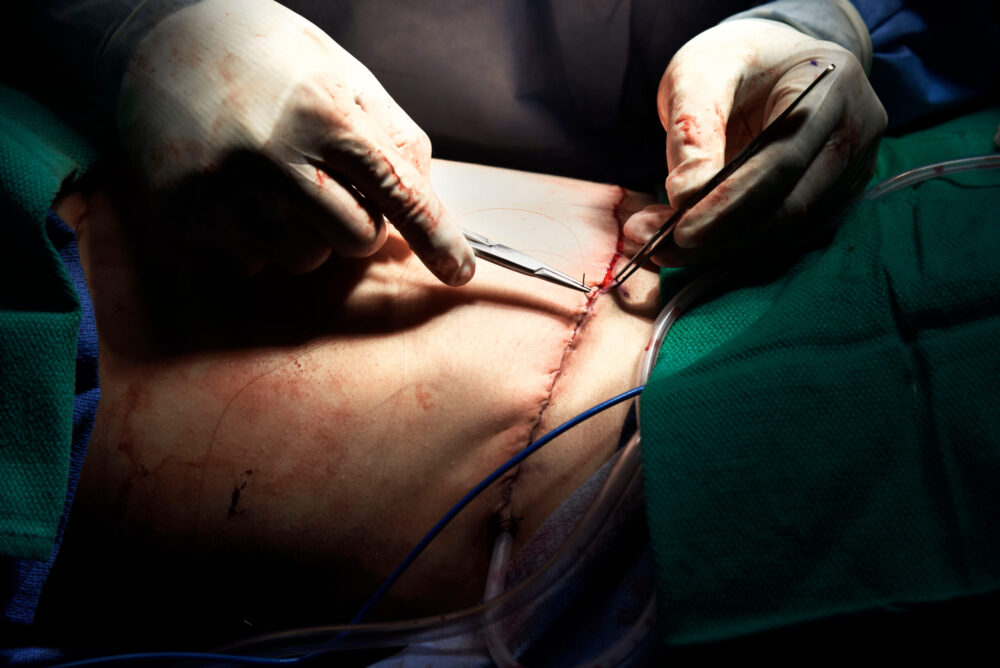
One of the most important things to understand about a mommy makeover is that the name implies a uniformity that does not exist in practice. Surgeons tailor the combination of procedures to each individual based on their anatomy, medical history, and desired outcomes. Some patients want volume restored through implants, others want a lift only, and some seek a reduction. Abdominal procedures range from full tummy tucks that address excess skin and separated muscles to targeted liposuction for patients whose concerns are more limited in scope.
Deciding which procedures to include requires honest conversations with multiple surgeons, not just one. Consulting with several providers before committing allows patients to compare recommendations, understand the range of options available, and develop a clearer sense of what aligns with their goals and what trade-offs they are willing to accept. A tummy tuck, for example, produces transformative results for many women but comes with a significant scar, a longer and more demanding recovery, and higher costs that may not be worth it for every candidate.
Recovery is more involved than most people anticipate
The recovery experience following a mommy makeover varies depending on which procedures are performed, but almost everyone underestimates the physical limitations involved in the early weeks. The abdominal portion of the surgery is consistently described as the most demanding part of recovery, with the first week often involving significant tightness, soreness, and restricted upright movement. Breast surgery alone tends to heal considerably faster and with less discomfort.
Even without abdominal work, the range of motion restrictions that follow breast surgery affect surprisingly ordinary tasks. Reaching into the back of a dryer, unloading a dishwasher, washing hair, and opening heavy doors can all become genuinely difficult. Patients who plan only for the major limitations and not the minor daily ones often find themselves caught off guard during the first two to three weeks.
Pain management typically becomes unnecessary after the first two weeks for most patients, and many women return to desk-based work within a week of surgery. Physical activity restrictions last considerably longer, with most surgeons recommending six weeks of limited exertion before returning to exercise.
Timing the surgery around family life makes a meaningful difference
For mothers with young children, the timing of a mommy makeover carries real practical weight. The first one to two weeks require significant support at home, and patients with children who are not yet self-sufficient will need a partner, family member, or hired caregiver to cover childcare duties they cannot safely perform. Lifting restrictions alone make caring for toddlers or young children physically impossible in the early recovery period.
Surgeons also generally recommend completing a mommy makeover after a patient is finished having children. Subsequent pregnancies can affect skin laxity and the tissue surrounding implants, potentially compromising the surgical results in ways that would require additional procedures to correct.
Results take months to fully develop
The concept of drop and fluff, which refers to the gradual settling of breast implants from an initially high and rounded position into a more natural shape and placement, catches many patients off guard. Breasts look dramatically different in the first weeks compared to the three-month mark, and changes can continue for up to a year following surgery. Patients who judge their results too early often experience unnecessary anxiety about outcomes that are still evolving.
Wearing appropriate supportive bras throughout the healing process plays a direct role in how well implants settle. Surgical compression bras are worn continuously in the first weeks, followed by supportive sports styles, with underwire typically avoided for the first six weeks to allow healing without disruption to implant placement.
The decision is personal and legitimate
A mommy makeover is not a shortcut or a rejection of the body. For many women it represents the end point of years of healthy lifestyle changes that simply could not address what pregnancy and breastfeeding altered structurally. Loose skin, separated muscles, and significant volume loss are physical realities that exercise and nutrition cannot reverse. Making an informed, considered decision to address them surgically is a valid and personal choice that deserves to be approached with the same care and research as any other significant health decision.