Panic in a medical emergency is understandable, but some of the most common instinctive responses can cause serious harm before help ever arrives.
Most people want to help when someone around them is in medical distress. The problem is that panic moves faster than knowledge, and some of the most instinctive responses to emergencies are exactly the wrong ones for first aid. Emergency room physicians see the aftermath of well-meaning mistakes regularly, and the patterns are consistent. Eight of the most common ones are worth knowing before you ever need them.
Seizures
The instinct during a seizure is to put something in the person’s mouth or hold them still so they do not hurt themselves. Both responses are dangerous and bad for first aid. Restraining someone mid-seizure can cause injury, and placing an object in the mouth creates a choking risk.
The right move is to turn the person onto their side to keep their airway clear and time how long the seizure lasts. Call 911 if the person has never had a seizure before, if it runs longer than five minutes, or if breathing is labored once it ends.
Drowning
Jumping into the water to save someone who is drowning puts two lives at risk instead of one. A panicking person in the water can drag a rescuer under without meaning to.
Reach for a flotation device or a long object they can grab onto from the edge. If they are pulled out and not breathing, start CPR right away without waiting for paramedics. Rescue breaths matter here alongside chest compressions.
Cardiac arrest
Hesitation is one of the most dangerous responses to a cardiac arrest. Every second without CPR reduces survival odds, and waiting for professionals to arrive can be fatal.
The moment someone collapses and is unresponsive, call 911 and begin CPR immediately. If an automated external defibrillator is nearby, use it. Most public spaces have them, and they are designed to walk a non-medical person through the process.
Nosebleeds
Tilting the head back during a nosebleed feels logical but sends blood down the throat, which can cause choking or vomiting.
Lean slightly forward instead and pinch the soft part of the nose firmly for about 10 minutes is better for first aid. If it has not stopped, hold pressure for another 10 to 15 minutes. Bleeding that continues past 25 minutes warrants a trip to urgent care.
Choking
Back blows delivered too early or too forcefully can drive an obstruction deeper into the airway. The other common mistake is waiting too long to act at all.
Ask the person if they need help. If they cannot speak or breathe, deliver five firm back blows between the shoulder blades, then five abdominal thrusts. For someone who is pregnant or too large to get your arms around, substitute chest thrusts for the abdominal ones.
Burns
Ice and very cold water on a burn cause additional tissue damage. Butter or oil trap heat against the skin and raise the infection risk considerably.
Cool running water is the correct treatment for first aid, applied for several minutes. Follow with aloe vera gel and a clean bandage. Burns that are deep, blistering, or located on the face, hands or genitals need medical attention.
Heat stroke
Giving water to someone in the middle of a heat stroke episode can cause choking if they are not fully alert. It is not as helpful as it seems.
Call 911 first. Then focus on cooling the person by placing ice packs or cold water on pulse points, particularly the neck and under the arms.
Cuts and wounds
Hydrogen peroxide and rubbing alcohol have long been go-to wound treatments, but both damage the healthy tissue needed for healing.
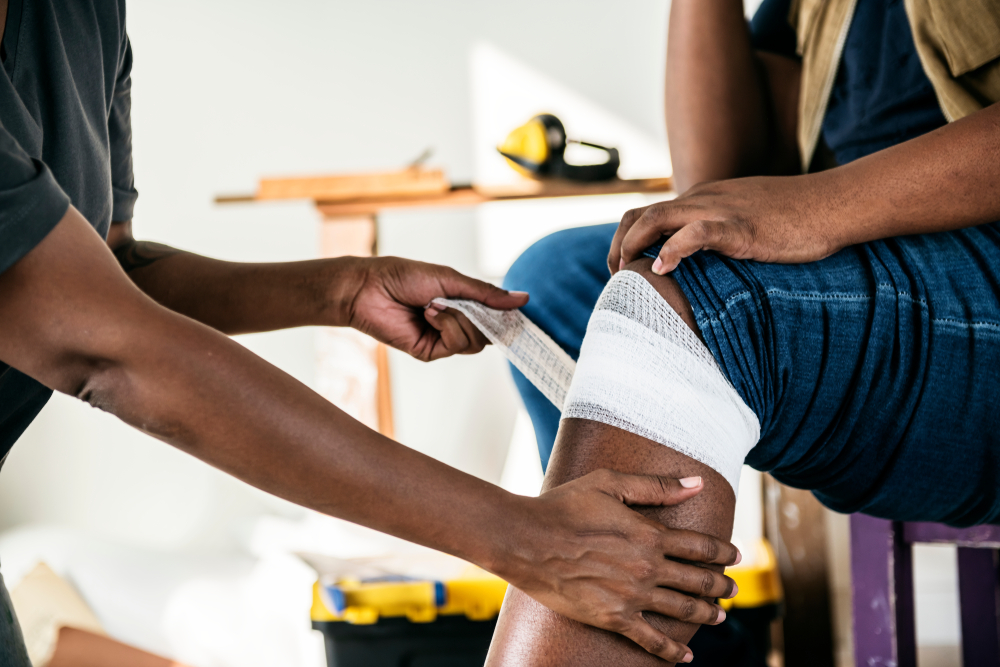
Rinse the wound with clean water, apply firm pressure to slow bleeding, use an antibiotic ointment, and cover it with a bandage, these should all be in your first aid box. If bleeding will not stop or the wound is deep enough to need stitches, get medical care.
What you do not do matters just as much
Proper first aid training makes the difference between a steady response and a panicked one. Organizations like the American Red Cross offer courses that cover CPR, choking response and general emergency care. Knowing these eight mistakes ahead of time means one less thing to figure out in the moment when it counts most.