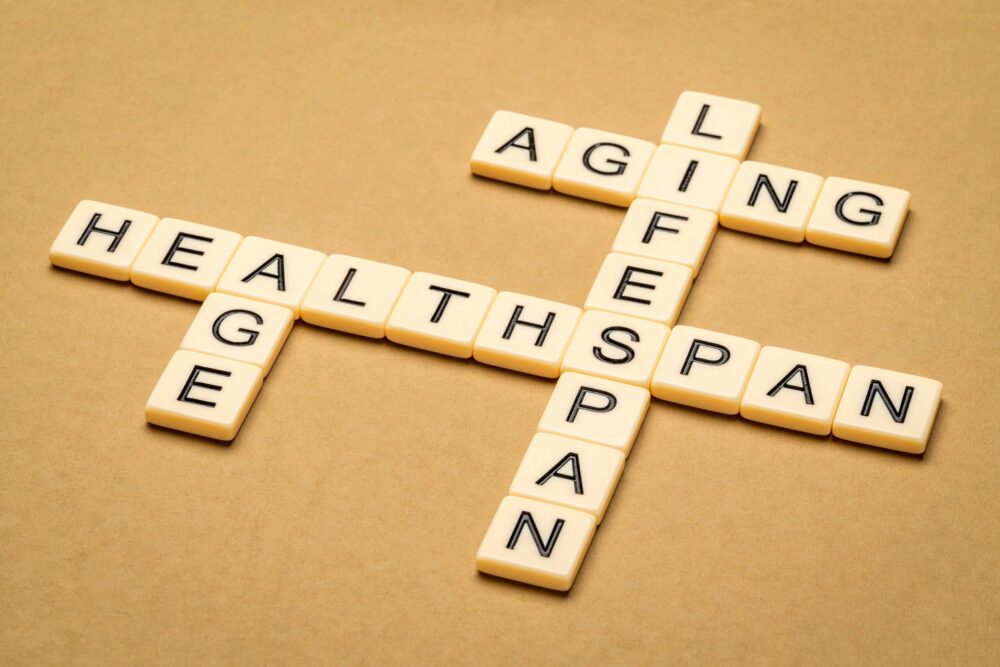
Healthspan is quietly replacing lifespan at the center of the longevity conversation, and the distinction it draws is one of the most important in modern medicine. Where lifespan counts the total years a person lives, healthspan measures the years spent living without significant disease, disability, or cognitive decline. The gap between the two, the period of compromised health that many people now experience at the end of their lives, has widened considerably over recent decades. Increasing lifespan without expanding healthspan means living longer with illness, not better. The most compelling research in aging science today is increasingly focused on closing that gap.
The shift in language reflects a shift in ambition. A generation of longevity researchers is no longer primarily asking how to add years. They are asking how to compress morbidity, which means pushing the period of serious decline as close to the end of life as possible, so that the vast majority of years lived are years of genuine function, independence, and vitality. It is a measurable, achievable goal that current science suggests is more within reach than most people realize.
What shapes healthspan at the cellular level
Healthspan is ultimately determined by how well the body maintains its cellular and molecular integrity over time. Several biological processes have been identified as primary drivers of aging, including the shortening of telomeres, the accumulation of senescent cells, mitochondrial dysfunction, chronic inflammation, and the gradual decline of the body’s repair and regeneration systems. These processes are not simply inevitable. They are significantly influenced by lifestyle factors that most people encounter dozens of times a day without realizing their cumulative effect.
Physical activity is among the most powerful regulators of all of these processes. Exercise suppresses senescent cell accumulation, improves mitochondrial efficiency, reduces systemic inflammation, and maintains telomere length over time. The research on physically active populations consistently shows not just longer lives but longer healthy lives, with meaningful cognitive and physical function preserved well into advanced age.
Why what you eat shapes how long you thrive
Diet’s influence on healthspan operates through many of the same cellular pathways as exercise. Caloric patterns that avoid chronic overload, dietary approaches rich in polyphenols and anti-inflammatory plant compounds, and adequate protein intake to preserve lean muscle mass are all consistently associated with better healthspan outcomes. The populations with the highest proportion of centenarians in good health, including those in Okinawa, Sardinia, and the Nicoya Peninsula, share dietary patterns that are plant-forward, moderate in calories, and rich in diverse micronutrients from whole food sources.
The emerging science around fasting and time-restricted eating adds another dimension. Periods without food activate cellular cleanup processes called autophagy, which remove damaged proteins and organelles that would otherwise accumulate and impair cell function. The effect on healthspan appears meaningful, particularly when combined with overall dietary quality.
The role of social connection and purpose
Among the healthspan predictors that most people find surprising, strong social connection and a clear sense of purpose rank among the most consistently replicated. Research across multiple long-lived populations finds that people who maintain close relationships and can articulate what they live for show measurably better health outcomes and significantly longer healthy lives than those who cannot. These are not soft variables. They have real biological correlates, influencing everything from immune function to stress hormone regulation to the quality of sleep.
Why this is not a destination but a daily practice
Every decade offers a meaningful opportunity to shift healthspan trajectory. The habits that produce exceptional healthy aging are genuinely accessible and widely available across virtually every circumstance and income level. They require consistency rather than intensity, and they compound across time in ways that make beginning sooner always the right answer regardless of where a person currently stands. The goal is not to find a longevity shortcut. It is to understand that the most powerful interventions for aging well were available long before any clinic or supplement promised the same.