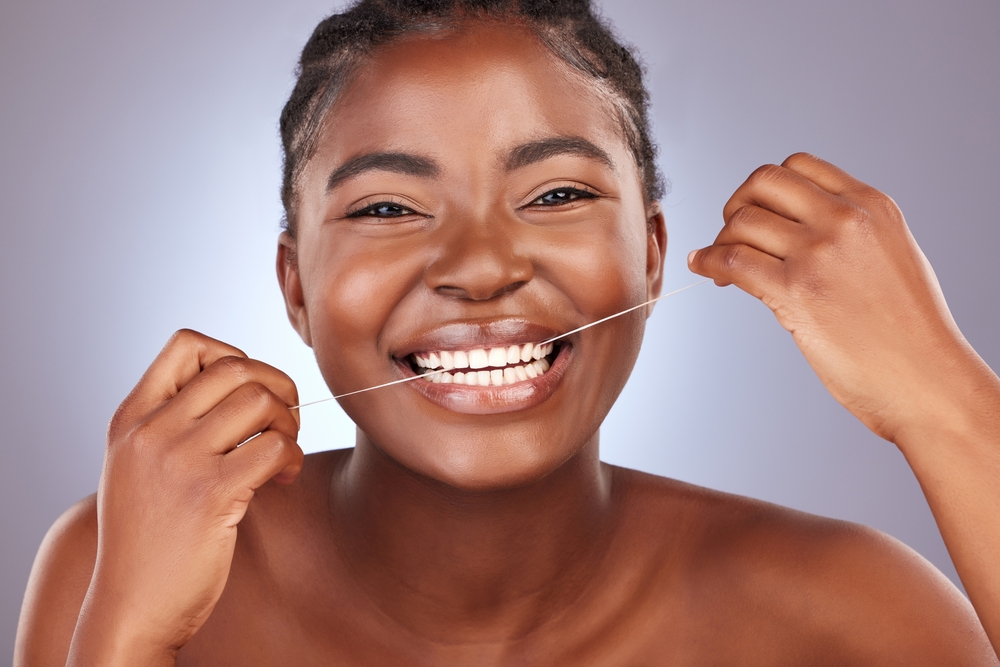
If you brush your teeth twice a day but floss whenever you remember or not at all you are not alone. But even among dedicated flossers, a surprisingly common habit may be undermining the whole effort: flossing after brushing instead of before.
Dentists are clear on this point. Flossing first loosens food debris and breaks up plaque between the teeth and along the gumline. When you brush afterward, the bristles and toothpaste can move into those spaces more effectively, sweeping away what the floss dislodged. The sequence makes both steps more productive than either one alone.
There is another reason the order matters. Flossing before brushing allows fluoride from your toothpaste to reach the spaces between teeth more thoroughly. Those tight spots between teeth are among the most vulnerable areas for enamel erosion and cavity formation, and fluoride contact there makes a meaningful difference in protection over time.
How often should you actually be flossing?
Once a day is enough for most people provided it is done carefully and completely. Plaque takes roughly 24 hours to develop and harden into tartar, so a single thorough flossing session each day is generally sufficient to stay ahead of buildup.
The timing is flexible. Whether you work it into your morning routine or wind down with it at night, consistency matters far more than the hour. Choose whichever slot gives you enough time to do it properly rather than rushing through.
For some people, once a day may not be enough. Those who wear braces, have a history of gum disease or frequently find food getting trapped between specific teeth may benefit from flossing twice daily. A dentist can help determine what cadence makes the most sense based on individual oral health needs.
Be gentle bleeding gums are a warning sign
Flossing should not hurt, and it should not cause your gums to bleed regularly. Some light sensitivity is normal when first starting a flossing habit, but consistent bleeding is a sign that something is off either with technique or with the health of the gums themselves.
As for which type of floss to use, the options are broader than ever. Traditional string floss remains effective and is often the most affordable choice. Floss picks, electric flossers and water flossers are all valid alternatives, particularly for people who find string floss difficult to maneuver. The best tool is ultimately whichever one a person will actually use consistently.
Pairing flossing with an electric toothbrush can also be gentler on the gums than manual brushing. Electric toothbrushes do the movement work automatically, reducing the tendency to scrub too aggressively a habit that can wear down enamel and irritate gum tissue over time.
Is flossing actually proven to work?
The evidence base for flossing has faced scrutiny over the years. A widely cited 2016 report raised questions about the reliability of flossing studies, noting that many were funded by oral care companies. The research landscape on flossing is admittedly thinner than one might expect for such a universally recommended habit.
That said, there is no credible body of evidence showing that flossing is ineffective. And from a mechanical standpoint, the logic is sound: a toothbrush cannot reach the spaces between teeth, and without some form of interdental cleaning, plaque in those areas goes largely undisturbed.
Dentists widely agree that flossing does more than pull out bits of food. It reduces gum inflammation, limits the accumulation of harmful bacteria and helps maintain the structural integrity of the tissue and bone supporting each tooth. The American Dental Association has also flagged links between poor oral health and broader systemic conditions, including heart disease and diabetes a reminder that what happens in the mouth does not stay there.
The bottom line from dentists
Floss once a day, do it before you brush and be thorough about it. If you have been skipping flossing or treating it as optional, there is no better time to make it a consistent part of your routine. The adjustment is small, and the long term payoff for both your teeth and your overall health is well worth it.