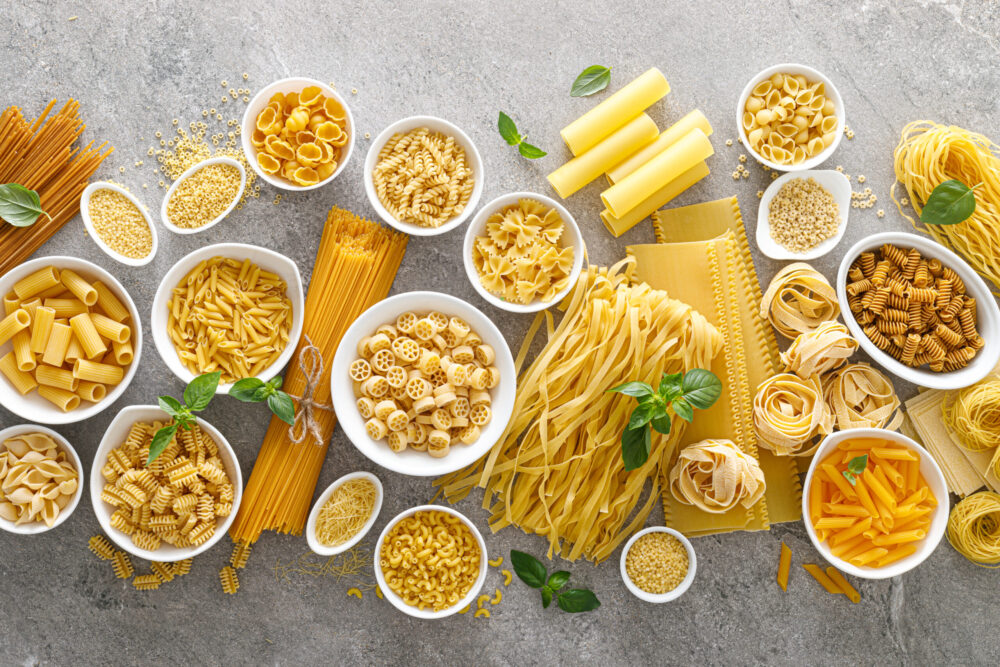
For anyone managing a diabetes diagnosis, carbohydrates can feel like enemy territory and pasta, one of the most beloved high carb foods in the world, often ends up at the top of the do-not-eat list. But according to nutrition experts, that kind of all-or-nothing thinking may not be necessary, or even helpful.
People with prediabetes or type 2 diabetes do need to regulate carbohydrate intake carefully. Unmanaged blood sugar spikes over time raise the risk of serious complications including heart disease, vision loss, and kidney disease. But regulated does not mean eliminated, and with the right approach, pasta can still have a place on the plate.
Why pasta affects blood sugar the way it does
Carbohydrates, including pasta, break down into sugars during digestion, which causes blood glucose levels to rise. How quickly and how dramatically that rise happens depends on several factors: the type of pasta consumed, the portion size, and what else is on the plate alongside it.
Managing those variables starts with awareness. Counting carbohydrates and monitoring blood sugar levels can feel overwhelming initially, but tracking becomes more intuitive over time. Using a food tracking app and working with a registered dietitian to establish an individualized meal plan and carbohydrate goal are two of the most effective steps a person can take early in the process.
3 practical strategies for eating pasta with diabetes
People with diabetes who want to keep pasta in their diet have real, research backed options for doing so safely. Here are three approaches that make a meaningful difference.
Choose high fiber pasta varieties
Not all pasta behaves the same way in the body. Whole-grain pasta contains significantly more fiber than standard white pasta, and fiber slows the rate at which the body absorbs carbohydrates which in turn moderates the blood sugar response. Research has found that low starch, high fiber pasta reduced post meal glucose elevation compared to standard pasta, both in healthy individuals and in those with type 2 diabetes. Chickpea based pasta is another strong option, offering around 23 grams of protein per serving while also delivering more fiber than traditional varieties.
Add protein and vegetables to every pasta dish
What surrounds the pasta on the plate is just as important as the pasta itself. Lean protein sources including chicken, fish, eggs, nuts, and cheese have a minimal impact on blood glucose levels and digest slowly, promoting fullness and helping stabilize blood sugar after a meal. Vegetables add additional fiber and volume without significantly increasing carbohydrate load. Mushrooms, spinach, peppers, and onions are all excellent additions to a pasta dish for someone managing diabetes.
Follow the Diabetes Plate Method for portioning
Portion size remains one of the most critical factors in managing blood sugar around pasta meals. The Diabetes Plate Method, developed by the American Diabetes Association, provides a straightforward framework: fill half the plate with non starchy vegetables, one quarter with lean protein, and the remaining quarter with carbohydrate foods like pasta. This approach ensures that carbohydrates are present but not dominant, and that the meal is structured in a way that prevents rapid blood sugar spikes. Sticking to planned portion sizes rather than letting a pasta dish become the centerpiece of the entire plate is key to making the method work.
What a standard pasta serving actually contains
A 2-ounce dry serving of regular pasta contains approximately 211 calories, 43 grams of total carbohydrates, 2 grams of dietary fiber, and 7 grams of protein. That protein content is often overlooked in conversations about pasta, but it contributes to satiety alongside fiber. Choosing whole wheat or bean based varieties can increase both the fiber and protein content significantly, making the meal more metabolically favorable for someone with diabetes.
The bigger picture on carbs and diabetes
The goal for people with diabetes is not to eliminate carbohydrates entirely it is to consume them strategically. Pasta paired with fiber rich ingredients, lean protein, and appropriate portions is a very different metabolic event than a large bowl of white pasta eaten on its own. Moderation, variety, and consistency within a well designed meal plan are what actually move the needle on long term blood sugar management. Pasta, handled thoughtfully, can be part of that plan without apology.