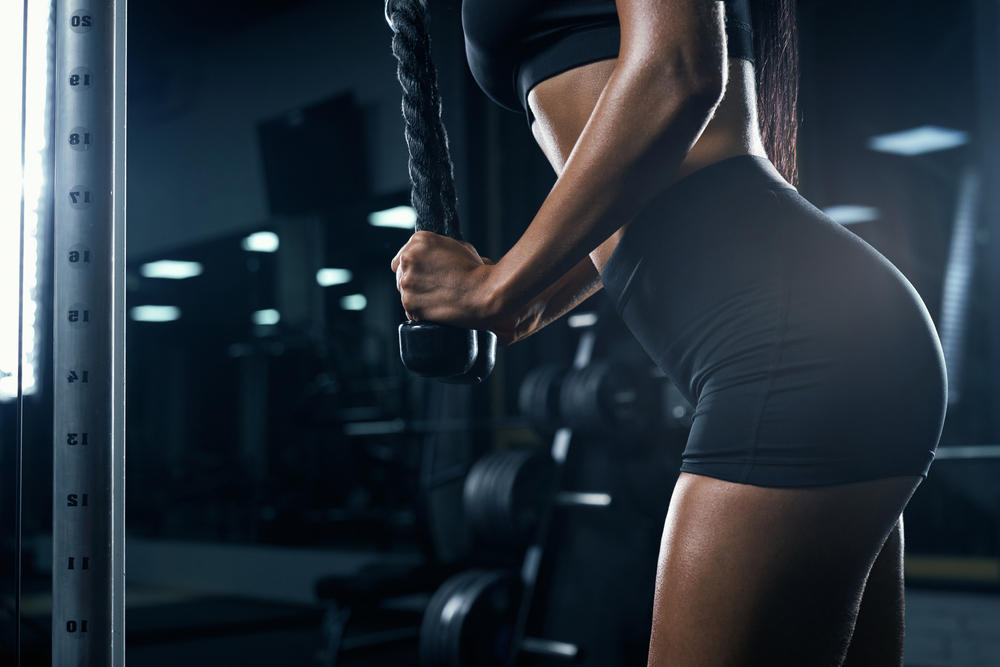
A rising wave of women are redefining what strength looks like — and the gym floor may never look the same again.
Something is happening inside the weight room, and it has nothing to do with the men lifting in the corner. Women — younger, older, seasoned athletes and complete beginners alike — are showing up with a different kind of energy. They are not there to be smaller. They are there to be stronger, and the shift is impossible to ignore.
For decades, fitness culture handed women a narrow script— cardio machines, light dumbbells, and a finish line defined almost entirely by weight loss. That script is being torn up. In gyms across the country, women are reaching for battle ropes, loading barbells, and signing up for strength-focused programs that would have been considered the exclusive domain of men not so long ago. The movement is not a trend. It is a transformation.
Why Motivation Looks Different Now
Fitness professionals have noticed a meaningful shift in why women say they come to the gym. Performance goals — being able to pull heavier, move faster, recover quicker — are replacing purely aesthetic ones. That internal drive, experts say, tends to stick far longer than mirror-based motivation ever did.
Strength training, in particular, has seen a surge among women in their 20s through 50s. The appeal goes beyond muscle tone. Studies published in recent years have consistently linked resistance exercise to improved bone density, reduced risk of metabolic disease, better sleep quality, and measurable gains in mental health. For communities where chronic illness rates remain disproportionately high, those benefits carry real weight.
The gym, for many women, has become less of a place to fix something and more of a place to build something. That reframing is everything.
The Role of Strength in Women’s Health
Strength is not just physical. Researchers have long argued that the discipline required to show up consistently — to push through a hard set, to track progress, to rest when the body demands it — builds a kind of mental resilience that transfers outside the gym walls. Women who strength train regularly report greater confidence, sharper focus, and a more grounded relationship with their bodies.
For women navigating perimenopause or managing conditions like hypertension, type 2 diabetes, or PCOS, structured resistance training has increasingly become part of clinically recommended care. Physicians who once defaulted to walking and stretching as their standard exercise advice are now recognizing what trainers have quietly known for years— lifting changes the body in ways that cardio alone cannot.
The rope in the image is not decorative. It is a symbol of the kind of full-body, functional work that reshapes not just muscles but habits, routines, and identity.
What the Gym Floor Teaches
There is something quietly radical about a woman who walks into a gym and claims her space. She does not wait for permission. She picks up the equipment, adjusts the weight, and gets to work. That image — increasingly common, increasingly celebrated — is the one that younger women are growing up with now.
Representation matters here. When girls see women who look like them pushing hard in serious training environments, the message received is clear: this is for you too. Fitness culture is slowly catching up to that reality, and the content women are creating and consuming online is accelerating it. Strength-focused creators are building audiences in the millions, and the demand for programming that respects women as serious athletes continues to grow.
Starting Strong — A Fitness Primer for Women Ready to Lift
For those considering making the shift toward strength training, the barrier is lower than it might seem. Most major gym facilities now offer introductory programs, and certified personal trainers increasingly specialize in women’s strength development. A few principles tend to define a strong start
- Prioritize form before load. Learning the correct movement pattern for a squat, deadlift, or row prevents injury and accelerates progress.
- Train two to three times per week consistently before adding sessions. Frequency built slowly is more sustainable than aggressive early schedules.
- Track something. Whether it is weight lifted, reps completed, or recovery time, data gives motivation something concrete to hold onto.
- Find community. Women who train alongside others — in person or even virtually — report higher adherence and more enjoyment over time.
- Fuel the work. Protein intake matters significantly for muscle development, and many women are undereating relative to their training load.
The gym is not a punishment. It is not a place to earn food or burn guilt. At its best, it is one of the few spaces where effort is met with immediate, measurable feedback — and where women are increasingly writing the rules of their own progress.
The shift is real. The momentum is building. And for every woman who has ever hesitated at the weight room door, the message from those already inside is simple— come in.