Libido has long been associated with oysters, chocolate, and the mythology of the aphrodisiac, foods chosen more for cultural symbolism than scientific credibility. But beneath that romantic folklore lies a genuinely compelling body of research suggesting that everyday dietary choices have a far more significant and far more specific influence on sexual desire than most people appreciate.
No single food produces an overnight transformation in sexual drive. What the research does support is that the broader nutritional environment a person creates through consistent daily eating habits plays a meaningful role in the hormonal, cardiovascular, and psychological systems that collectively determine libido. Understanding that connection gives people something far more useful than a Valentine’s Day menu recommendation.
The biological pathways connecting food to sexual desire
The relationship between diet and libido operates through several overlapping biological mechanisms. Hormones, particularly testosterone which drives sexual desire in both men and women, depend on specific nutrients for their synthesis and regulation. Blood flow to the genitals, which is essential for arousal in both sexes, is governed by vascular health that diet influences directly and significantly. Mood and stress levels, both of which have powerful dampening effects on desire when dysregulated, are shaped by the nutritional environment the brain operates within.
A diet that supports all three of these systems simultaneously creates the biological conditions in which libido can function optimally. One that undermines them, through nutritional deficiency, chronic inflammation, or metabolic disruption, erodes the foundation that sexual desire depends on in ways that are real and measurable even when the connection is not immediately obvious.
The foods most supported by research for libido and sexual health
Several specific foods have accumulated meaningful evidence for their role in supporting the biological systems most directly tied to sexual desire and function.
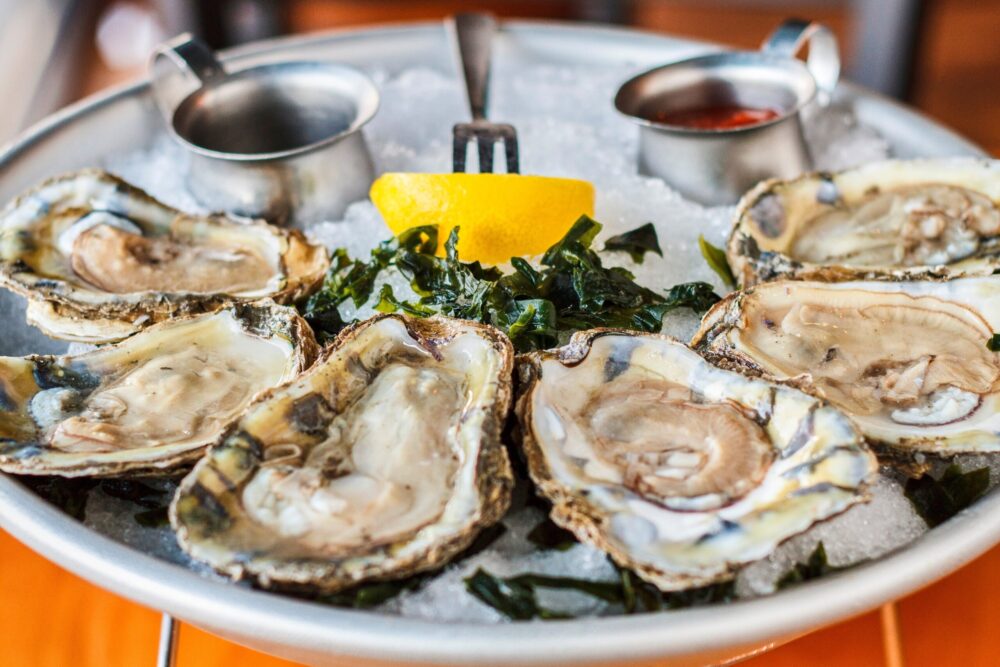
Oysters stand out as one of the most nutritionally relevant foods for sexual health, not because of myth but because of their exceptionally high zinc content. Zinc is essential for testosterone synthesis and reproductive health in both men and women, and research consistently links adequate zinc intake with better hormonal balance and sexual function. The association between zinc deficiency and reduced testosterone is well documented, and oysters provide more zinc per serving than virtually any other food available.
Watermelon contains an amino acid that the body converts into a compound that relaxes blood vessels and improves circulation, producing effects on blood flow to the genitals that researchers have compared in mechanism, if not in magnitude, to pharmaceutical interventions for erectile function. Additional compounds in watermelon support hormonal health and reproductive function in ways that make it one of the more scientifically interesting foods in the libido conversation.
Fatty fish including salmon, sardines, and herring provide omega-3 fatty acids that support vascular function, reduce inflammation, and appear to play a role in testosterone regulation. Research linking specific omega-3 compounds to higher testosterone levels has generated considerable scientific interest, and the vitamin D content of fatty fish adds another dimension of hormonal support that benefits sexual health in both men and women.
Nuts and seeds round out the picture by delivering zinc, magnesium, and healthy fats in combinations that support hormone production, stress reduction, and the overall metabolic health that libido depends on. Pumpkin seeds in particular offer meaningful amounts of both zinc and magnesium in a small serving, making them one of the most nutritionally dense options for supporting sexual health through everyday eating.
The eating habits that quietly undermine libido without anyone noticing
Beyond specific foods, several broader dietary patterns carry significant implications for sexual desire that most people never connect to what they are eating.
Excess alcohol consumption is one of the most consistently documented dietary contributors to reduced libido and sexual dysfunction. While small amounts may reduce social inhibition, chronic or heavy drinking suppresses testosterone, impairs vascular function, and creates the hormonal conditions that work directly against sexual desire and performance. The research on alcohol and sexual dysfunction is among the most robust in this area and applies to both men and women.
Ultra-processed foods high in refined carbohydrates and added sugars contribute to insulin resistance and the kind of metabolic dysfunction that reduces testosterone availability and impairs the nitric oxide production that healthy blood flow depends on. The cumulative effect of a diet dominated by these foods is a biological environment that works against libido even when desire itself feels intact.
Excess caffeine adds another dimension. While moderate consumption supports alertness and circulation in ways that may be mildly beneficial, high caffeine intake elevates cortisol and anxiety in ways that directly suppress sexual desire. The relationship is dose dependent, and most people consuming multiple daily caffeine sources are closer to the suppressive end of that curve than they realize.
When diet alone is not the answer and professional support matters
Persistent low libido lasting three months or longer, particularly when accompanied by fatigue, mood changes, or physical symptoms, warrants a conversation with a healthcare provider. The dietary factors discussed here are meaningful contributors to sexual health but they operate within a broader context that includes hormonal health, psychological wellbeing, relationship dynamics, and medication effects. Addressing all of those dimensions requires more than nutritional adjustment, and understanding when to seek professional evaluation is itself an important part of taking sexual health seriously.