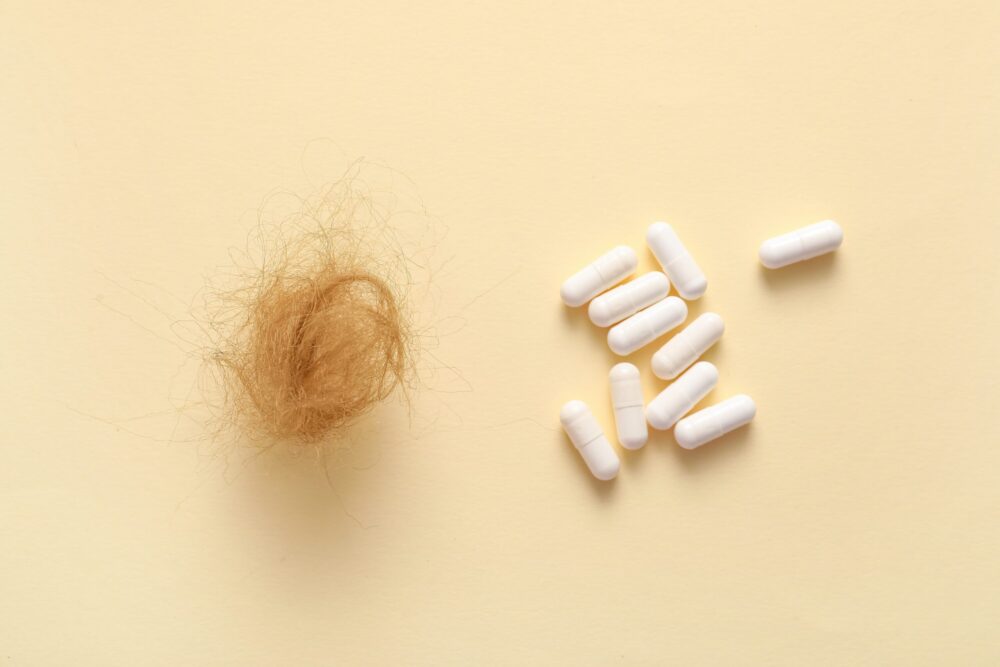
Hair loss is one of the most common concerns among men, and the medications developed to address it are among the most widely prescribed in dermatology. What is less widely communicated is that some of those medications carry a documented risk of sexual side effects, including erectile dysfunction, that affects a meaningful proportion of the men who take them.
The relationship between hair loss pills and sexual function is not simple or fully resolved by the current science. Multiple factors complicate the picture, including the presence of other conditions that independently contribute to erectile dysfunction and the significant variability in how studies have been designed and conducted. But the evidence pointing toward a real and clinically significant connection is substantial enough that men considering these medications deserve a clearer and more complete conversation about what they may be signing up for.
How the most commonly used hair loss pill affects male sexual function
The most widely prescribed oral medication for male hair loss works by blocking an enzyme responsible for converting one male sex hormone into another, more potent form. That conversion plays an important role in the health of the prostate, the penis, and the nervous system pathways involved in sexual response. When it is disrupted, the downstream effects can include reduced libido, weaker erections, and delayed orgasm in some men.
Early clinical research suggested that sexual side effects occurred in only a small percentage of users at rates comparable to those seen in placebo groups. More recent and more rigorous research has told a different story. Studies examining blood flow to the penis in men taking the oral form of the medication have found significantly reduced circulation in a substantial proportion of users. Other analyses have found rates of erectile dysfunction considerably higher than early trials reported, particularly at higher doses and with longer duration of use.
A rare but serious phenomenon has also emerged in the research, in which sexual side effects including loss of libido and erectile dysfunction persist even after the medication is discontinued. This condition, which has been studied and named in the scientific literature, appears to affect a subset of users whose symptoms do not resolve within the weeks to months that most side effects take to clear. The mechanisms behind it are not yet fully understood, and confirming its biological basis through objective laboratory measures remains a challenge for researchers.
Alternative treatments that may carry lower sexual health risks
For men concerned about the sexual side effects associated with the oral form of this medication, several alternatives carry a different risk profile worth understanding.
A topical version of the same active compound is available and produces meaningful improvements in hair count comparable to the oral form, but with significantly lower absorption into the bloodstream. That reduced systemic exposure translates into a lower likelihood of the whole-body hormonal effects responsible for sexual side effects, though the risk is not eliminated entirely since some absorption does occur through the skin.
A separate class of hair loss treatment works through an entirely different mechanism, stimulating blood flow to hair follicles rather than altering hormone levels. Research on this option has focused more heavily on fertility outcomes than on erectile function specifically, and no scientific consensus currently links it to adverse effects on male sexual health. Its risk profile is primarily cardiovascular rather than hormonal, making it a consideration primarily for men with existing heart conditions rather than those concerned specifically about sexual function.
What happens when sexual side effects appear and how to respond
For most men who experience sexual side effects from oral hair loss medication, those effects improve after discontinuing the drug, typically within weeks to a few months. The body’s hormonal system generally restores its previous balance once the drug is no longer present to interfere with it.
For men whose symptoms persist beyond that window, several approaches have been explored including lifestyle interventions that support hormonal health, treatment for any underlying anxiety or depression that may be contributing to sexual dysfunction, and pharmacological options specifically designed to address erectile function. The connection between psychological health and sexual wellness is well established in the research, and addressing both dimensions simultaneously tends to produce better outcomes than focusing on either alone.
Any man experiencing new or worsening sexual symptoms after starting a hair loss medication should raise those symptoms with a healthcare provider promptly rather than assuming they will resolve on their own. The conversation about whether the benefits of treatment outweigh its costs is one that deserves to happen with full information on both sides of the equation.