For patients with type 2 diabetes who take GLP-1 medications, the cardiovascular benefits do not come quickly but they can disappear fast. That is the central and sobering finding of a newly published study in the British Medical Journal, which followed more than 333,000 adults with type 2 diabetes over three years to examine what happens to the heart when patients stop taking these widely used drugs.
The results paint a complicated picture of a medication class that has transformed how doctors treat chronic conditions ranging from diabetes to obesity to sleep apnea and raises urgent questions about long-term access, adherence, and the real-world barriers standing between patients and lasting health outcomes.
What the study found
Researchers tracked participants across multiple measures, including how long they used GLP-1 medications, how often treatment was interrupted, and how many stopped entirely. The findings were clear: it took three full years of continuous GLP-1 use to achieve meaningful cardiovascular protection defined in the study as an 18% reduction in the risk of heart attack, stroke, and death.
But that same protection, accumulated steadily over three years, eroded within just 18 months of stopping the medication. Researchers noted that this lopsided timeline slow to build, fast to unravel may be the most clinically significant finding of the entire study. Beyond heart protection, patients who discontinued also saw reversals in blood sugar control, cholesterol levels, and blood pressure improvements.
The research also found that patients who stopped GLP-1 drugs typically returned to their baseline weight within an average of 1.7 years, reinforcing what has long been understood about the medications: they are designed for long-term management, not short term intervention.
Why so many patients stop taking GLP-1 drugs
Despite the well-documented benefits, persistence remains a persistent and widespread problem. Depending on the study, as many as 75% of GLP-1 users stop taking the medications within just one year of starting. One analysis found that 46% of patients with type 2 diabetes discontinued treatment, a figure that rose to 65% among those without a diabetes diagnosis.
Side effects are one significant driver of that dropout rate. Up to 20% of patients experience gastrointestinal issues including nausea, vomiting, bloating, and diarrhea. Among those patients, more than half sought medical care for those symptoms, and nearly half of that group spent over $1,000 out of pocket on those visits alone adding financial strain on top of physical discomfort.
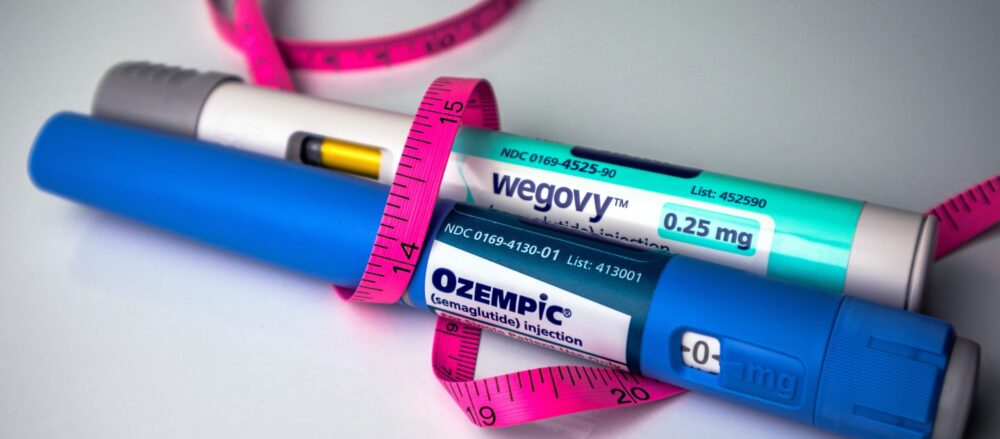
Cost, however, may be the single biggest barrier. A Cleveland Clinic study found that among patients who stopped taking semaglutide (sold as Ozempic or Wegovy) or tirzepatide (sold as Zepbound), nearly half identified out-of-pocket expense as the primary reason. That finding is particularly striking given that the BMJ study was conducted within the Veterans Affairs system, where monthly co-payments are capped at just $11. Even within that relatively affordable environment, more than 25% of users discontinued entirely, and another quarter experienced treatment interruptions.
Approximately one in eight American adults has taken a GLP-1 drug, reflecting the category’s explosive growth over the past several years. But widespread use means little if the majority of patients are not staying on the medications long enough to accumulate real benefit.
What comes next for GLP-1 access and adherence
One potential development that could change the adherence picture is the recent regulatory approval of oral versions of both semaglutide and tirzepatide. Pills may be easier for some patients to maintain than weekly injections, potentially reducing one of the friction points driving discontinuation. However, real world data from peer reviewed sources has not yet been published, making it too early to assess how much of a difference the pill format will actually make.
What patients and doctors need to understand
The implications of this study extend well beyond individual patients. Doctors, insurers, and policymakers all have a stake in ensuring that patients who start GLP-1 therapy have the resources to stay on it long enough for those benefits to accumulate and to keep them.
For patients managing type 2 diabetes, particularly those already dealing with cardiovascular risk factors, stopping a GLP-1 medication is not a neutral decision. Years of accrued heart protection can and do disappear, and the timeline for losing those gains is considerably shorter than the time it took to build them. That asymmetry, researchers suggest, needs to be front and center in every conversation between patients and their healthcare providers.