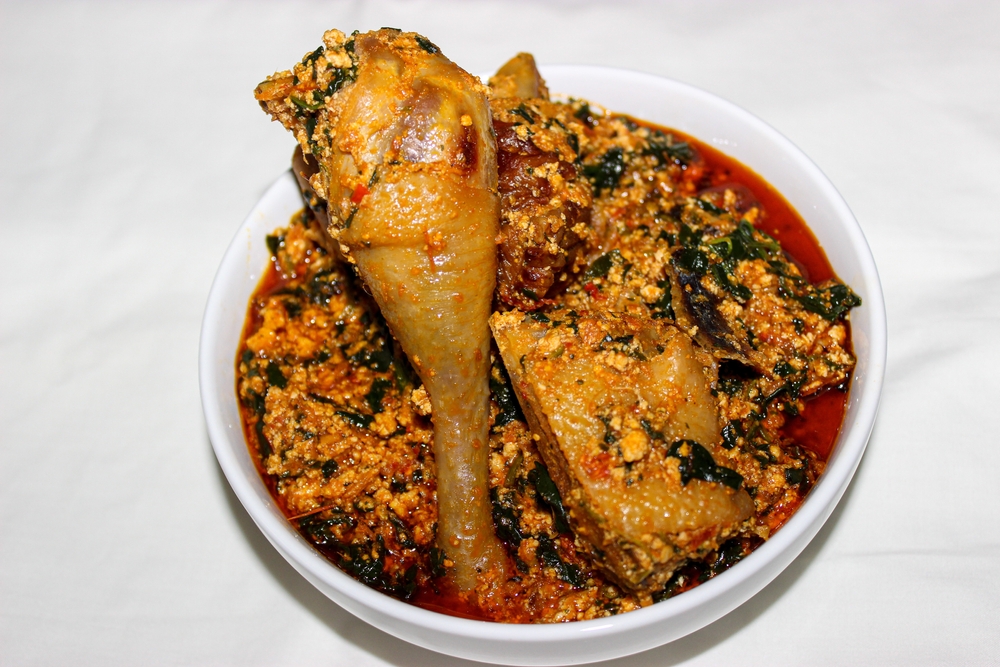
Food has always done more than feed people. For communities across the African diaspora, a pot of black-eyed peas or a slow-cooked bowl of egusi soup carries generations of memory, adaptation, and meaning that no recipe card can fully capture.
As interest in ancestral eating grows, more people are looking back at what their grandparents cooked and asking a question worth sitting with: what did we lose, and what can we still recover?
The cultural weight behind the plate
Traditional dishes from the African diaspora draw from a wide geography. West African cooking, Caribbean staples, and Southern American food share common roots even when their presentations differ dramatically. Collard greens slow-cooked with smoked meat, jollof rice fragrant with tomato and spice, and plantains fried to a caramelized finish all tell variations of the same story. That story is one of people who carried culinary knowledge across difficult histories and built entire food traditions in new lands with what they had.
For many Black Americans and Caribbean communities, these meals are not nostalgia. They are living culture, still present at Sunday dinners, holiday tables, and community gatherings where the food is as much a part of the occasion as the people in the room.
Why ancestral foods are worth a closer look
Beyond their cultural significance, many traditional diaspora foods hold up well nutritionally. Sweet potatoes, a staple across both African and Southern American cooking, are dense with vitamins A and C, potassium, and fiber. Leafy greens like collards and callaloo offer iron, calcium, and folate in concentrations that rival many modern supplements. Legumes, including black-eyed peas, lentils, and cowpeas, are high in plant-based protein and soluble fiber that supports digestive and cardiovascular health.
Spices common to diaspora cooking also carry documented health value. Turmeric, used across West African and Caribbean cuisines, contains curcumin, a compound studied for its potential to reduce inflammation. Ginger and coriander, both frequent in diaspora recipes, have long histories in traditional medicine alongside their roles in flavor.
Whole grains that anchor many of these dishes, including sorghum, fonio, and millet, are experiencing renewed attention from nutritionists for their fiber content and lower glycemic impact compared to refined grains. These are not trendy superfoods. They are ingredients that communities relied on for centuries before wellness culture gave them new labels.
Bringing diaspora cooking into a modern kitchen
Working these ingredients into everyday cooking does not require a complete overhaul of how you eat. Starting with one or two dishes that use familiar spices is often enough to build confidence with new ingredients.
Farmers markets and international grocery stores frequently carry fresh okra, plantains, and dried beans that form the foundation of many diaspora recipes. Gumbo, a dish with clear West African lineage visible in its use of okra as a thickening agent, is an accessible starting point for cooks unfamiliar with the tradition. Akara, a fried black-eyed pea fritter common in Nigeria and Brazil, requires minimal ingredients and introduces the flavor profile of West African cooking without much complexity.
Spice blends are another entry point. Suya spice, a dry rub built on ground peanuts, ginger, and paprika, works on grilled proteins the way any dry rub would while pulling from a distinctly West African tradition.
A living tradition worth continuing
The foods of the African diaspora were never static. They evolved as people moved, adapted, and created across continents and centuries. What remains consistent is their grounding in ingredients that are both culturally meaningful and nutritionally substantive.
Cooking from this tradition is not about performing identity or treating a cuisine as a history project. It is about recognizing that some of the most thoughtful, flavorful, and health-supportive cooking in the world has roots in communities whose culinary contributions have often been credited elsewhere or overlooked entirely.
The ingredients are available. The recipes are recoverable. The only thing required is a willingness to start.