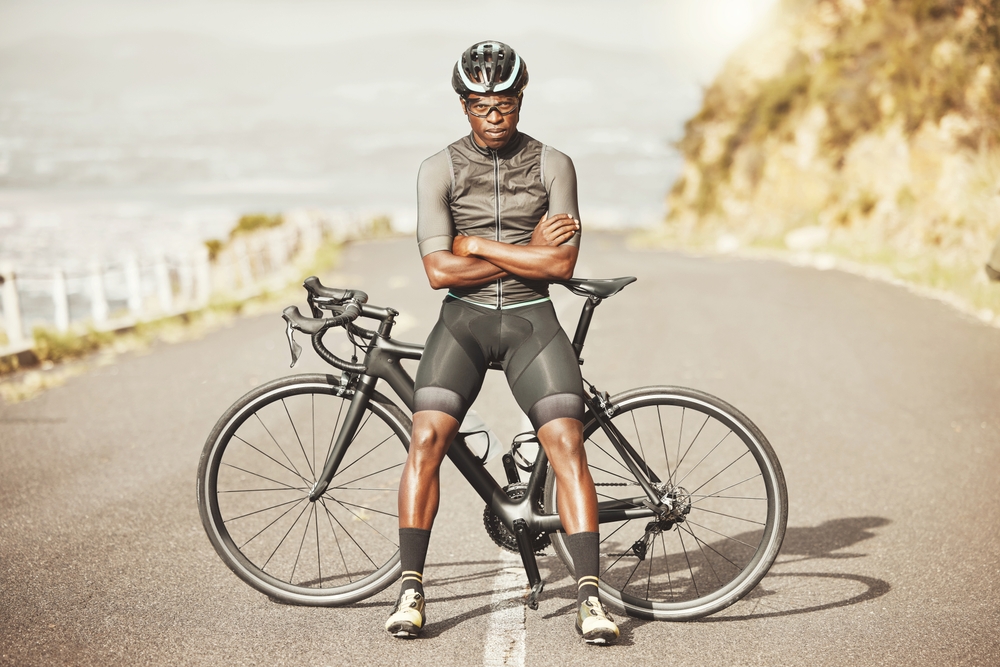
When it comes to shedding weight and keeping it off, most people think of pounding the pavement or grinding through gym sessions. But cycling — whether on open roads or a stationary bike — has quietly become one of the most effective, joint-friendly, and mentally rewarding fat-burning tools available. And the science backs it up completely.
Cycling is no longer just a hobby for weekend warriors or competitive athletes. It has evolved into a full-blown fitness movement embraced by people of all ages, sizes, and fitness levels. The reason is simple— it works. Fast.
Why Cycling Is a Weight Loss Powerhouse
The human body burns calories in proportion to effort, duration, and muscle engagement. Cycling hits all three. A moderate one-hour ride can burn anywhere from 400 to 600 calories depending on intensity, body weight, and terrain. Ramp up the resistance or tackle hilly roads, and that number climbs even higher.
What makes cycling particularly effective for weight loss is its ability to sustain elevated heart rate over long periods without destroying the joints. Running, for all its benefits, places significant impact on the knees, hips, and ankles. Cycling eliminates that impact almost entirely — making it accessible to people who may have previously been sidelined by injury or chronic pain.
More importantly, cycling engages some of the body’s largest muscle groups — the glutes, quadriceps, hamstrings, and calves. The more muscle mass activated during exercise, the more calories the body burns both during and after the session. This post-exercise calorie burn, known as excess post-exercise oxygen consumption, is a key driver of long-term fat loss.
Cycling and the Fat-Burning Zone
One of the most powerful aspects of cycling for weight loss is its flexibility across intensity levels. Low to moderate intensity cycling — where conversation is still possible — keeps the body operating primarily in the fat-burning zone. At this pace, fat becomes the dominant fuel source rather than carbohydrates.
For beginners or those returning to fitness after a long break, this is particularly valuable. A 45-minute easy ride three to four times per week is enough to trigger meaningful fat loss when paired with a balanced diet. No extreme measures required.
For those ready to push harder, interval training on a bike — alternating between high-intensity sprints and recovery periods — has been shown to accelerate fat loss significantly. Studies consistently show that high-intensity interval training produces greater reductions in body fat compared to steady-state cardio in shorter time frames.
Building a Cycling Routine That Actually Sticks
Consistency beats intensity every single time. The best cycling routine is the one a person will actually follow week after week. A few principles to build on
- Start with three rides per week at 30–45 minutes each
- Gradually increase duration before increasing intensity
- Mix terrain — flat roads build endurance, hills build strength and burn more calories
- Track progress with a fitness app or cycling computer to stay motivated
- Rest and recover — muscles grow and fat is metabolized during rest, not just during rides
Nutrition remains the other half of the equation. Cycling creates a calorie deficit, but filling that deficit with processed foods erases the progress. Prioritize lean proteins, complex carbohydrates, and healthy fats to fuel rides and support recovery.
The Mental Edge Cycling Gives Weight Loss
Weight loss is as much a mental game as a physical one. Cycling offers something most gym workouts cannot — freedom. Open roads, changing scenery, fresh air, and the meditative rhythm of pedaling have a measurable impact on mental health. Lower stress means lower cortisol levels, and lower cortisol directly supports fat loss, particularly around the midsection.
Riders consistently report higher motivation and longer adherence to their fitness routines compared to those who rely solely on indoor gym workouts. When exercise feels less like a chore and more like an adventure, people simply do not quit.
Cycling Is the Weight Loss Tool Most People Sleep On
The results are real, the barrier to entry is low, and the body responds quickly. Whether it is a carbon road bike on a coastal highway or a basic commuter bike through city streets, the act of pedaling consistently is one of the most proven paths to a leaner, stronger body.
Get on the bike. The road — and the results — are waiting.