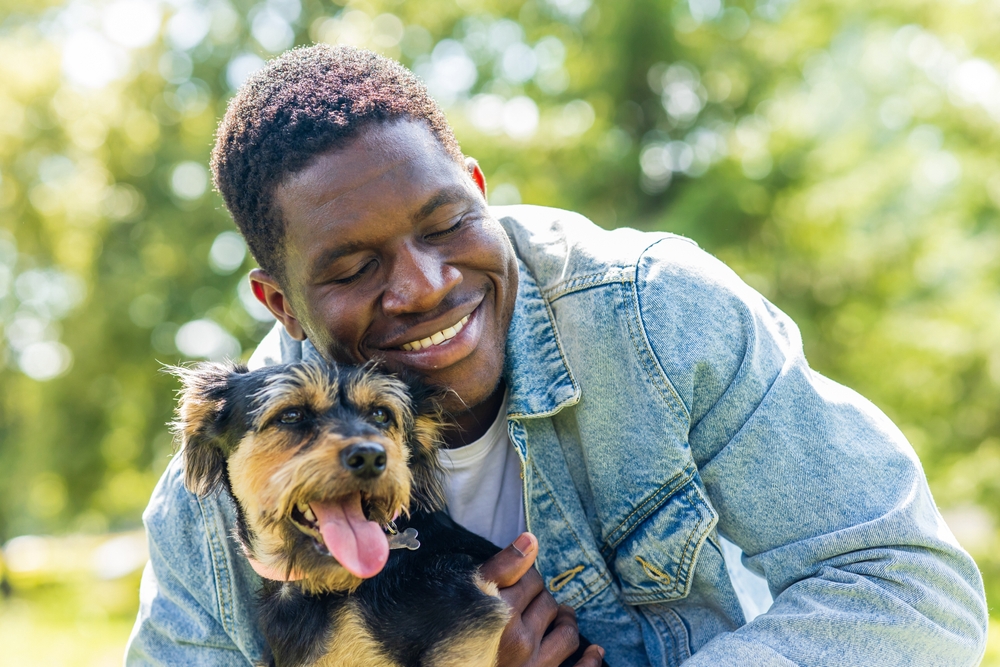
There is something almost magical about the moment a dog runs toward you after a long, draining day. No judgment. No questions. Just pure, unfiltered joy — tail wagging, eyes bright, ready to sit right beside you like nothing in the world matters more than that moment. And honestly? Science agrees that something real and powerful is happening in that exchange.
Dogs have long been celebrated as loyal companions, but researchers are now uncovering just how deeply that bond affects the human body and mind. Stress — the kind that builds quietly over weeks and months — has a way of wearing people down from the inside out. But dogs, it turns out, might be one of the most underrated tools for fighting back.
How Dogs Help Your Body Fight Stress
When a person interacts with a dog — petting, playing, or even just sitting nearby — the brain releases oxytocin, often called the bonding hormone. At the same time, cortisol levels, the body‘s primary stress hormone, begin to drop. This is not anecdotal. Multiple peer-reviewed studies have confirmed this two-way biochemical response between humans and their dogs.
The benefits do not stop there. Regular dog owners tend to experience
- Lower blood pressure during stressful situations
- Reduced heart rate during moments of anxiety
- Higher levels of serotonin and dopamine — both mood-stabilizing chemicals
- A greater sense of daily routine and structure
That last point often gets overlooked. Dogs require feeding, walks, and attention on a schedule. For someone managing stress, anxiety, or even depression, that built-in routine can serve as a quiet anchor — a reason to get up, step outside, and move.
The Walk That Does More Than You Think
Speaking of movement — walking a dog is exercise, and exercise is one of the most clinically supported stress-management strategies available. Even a 20-minute walk can shift your mental state significantly. Add a dog to that walk, and you also get fresh air, a change of scenery, and the kind of easy social interaction that comes when neighbors stop to say hello to your pup.
Dogs are, without exaggeration, social catalysts. They open doors — sometimes literally — to community connection, and community is one of the strongest protective factors against chronic stress and isolation.
Dogs and Emotional Support
Beyond the science, there is an emotional intelligence to dogs that feels almost human. They read the room. They sense when something is off. Many dog owners report that their pets seek them out during moments of sadness or tension — curling up closer, resting a head on a lap, staying near.
This instinctive attunement makes dogs particularly powerful for people navigating grief, burnout, or the kind of low-grade anxiety that never quite has a name but never quite goes away either.
Therapy dogs are now a recognized presence in hospitals, schools, and counseling centers — and for good reason. Their calm, consistent energy has a measurable effect on human emotional states.
Is a Dog Right for Your Lifestyle
Owning a dog is a commitment — time, energy, and finances included. But for those in a position to take it on, the return on that investment is remarkable. If full ownership is not an option right now, consider volunteering at a local shelter, fostering a dog temporarily, or spending time with a friend’s pet.
Even brief, occasional interactions with dogs have shown measurable benefits for stress reduction. You do not have to own one to feel the difference.
What Your Dog Already Knows
Here is what is worth sitting with — your dog has probably already been doing all of this for you without either of you realizing it. Every walk, every cuddle session, every moment of goofy, unconditional affection has been quietly working in your favor.
Stress is real, and it is serious. But so is the healing that can come from the simplest, most loyal relationships in your life. Sometimes the best therapy has four legs and a wagging tail.