A sweeping new review published in Microbial Ecology has cast a spotlight on something most women never think twice about: the invisible microbial communities living inside and on their bodies. Researchers spent considerable time synthesizing evidence on how everyday behaviors shape the female microbiome across four distinct sites, the vaginal tract, gut, mouth, and skin, and what they found is both eye-opening and deeply practical.
The findings are not about rare diseases or extreme conditions. They are about choices made at the dinner table, habits picked up over years, and the quiet toll that modern life takes on a system most people cannot see but absolutely cannot afford to ignore.
The female microbiome is uniquely vulnerable
The human microbiome has long been recognized as a powerful regulator of immunity and metabolism. But here is what older research consistently got wrong: it rarely separated male and female data. That gap matters enormously, because the female microbiome operates under the constant influence of shifting sex hormones tied to reproductive cycles and changes in body composition.
Nowhere is this more visible than in the vaginal tract, where a healthy microbial environment is defined by a dominance of Lactobacillus bacteria. When that balance is disrupted, a state researchers call dysbiosis, the consequences can include bacterial vaginosis, sexually transmitted infections, pelvic inflammatory disease, endometriosis, and even complications during pregnancy such as preterm birth.
Similar imbalances in the gut and skin microbiome have been connected to metabolic conditions like obesity and inflammatory issues like acne. These are not isolated problems. They reflect a web of interactions across body sites that science is only beginning to map with precision.
How microbiome disruption happens
The review drew clear lines between specific lifestyle behaviors and measurable changes in microbial communities.
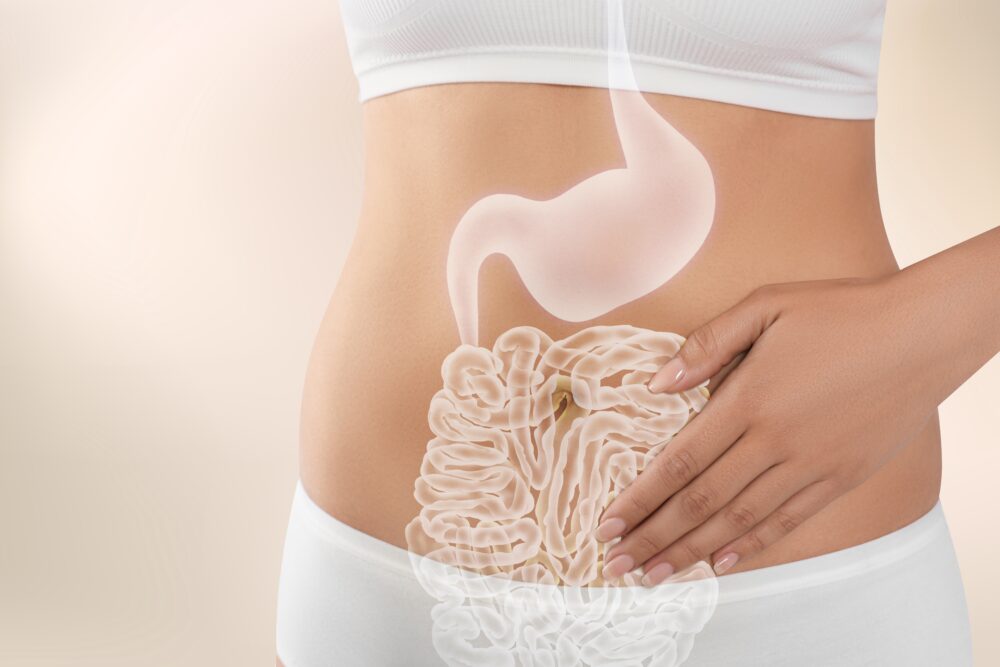
Diet emerged as one of the most powerful forces at play. High-fiber eating patterns were linked to healthier vaginal microbial profiles and a lower risk of bacterial vaginosis, while diets heavy in processed foods worked in the opposite direction. The connection appears to run through the gut, where fiber and starch influence hormone metabolism and the production of short-chain fatty acids that ripple outward to affect vaginal health.
Alcohol consumption told a similarly sobering story. Higher intake was associated with reduced Lactobacillus in the vaginal environment and a microbial profile tied to greater susceptibility to infection.
Obesity introduced its own set of shifts. Women with a body mass index above 30 showed lower Lactobacillus levels and higher concentrations of bacteria associated with inflammation. In the gut, obesity was linked to an unfavorable ratio of Firmicutes to Bacteroidetes and reduced levels of beneficial Bifidobacterium.
Microbiome and the habits that quietly do the most damage
Smoking showed a dose-dependent pattern, meaning the more someone smoked, the greater the disruption. Chronic smokers showed reduced protective bacteria and elevated inflammatory metabolites in the vaginal tract, consistent with smoking’s known anti-estrogenic effects.
Stress proved surprisingly impactful as well. Elevated cortisol appears to reduce glycogen deposits in the vaginal environment, essentially cutting off a key energy source for Lactobacillus bacteria and weakening their protective role.
Perhaps the most unexpected finding involved hygiene. The use of vaginal cleaning products was associated with a threefold increase in adverse outcomes including bacterial vaginosis, urinary tract infections, and sexually transmitted infections. The very products marketed to keep women clean may be doing the opposite.
What this means for women’s health going forward
This research does not prescribe a perfect routine, but it does offer a compelling case for rethinking daily habits through the lens of microbial health. Physical activity and high-fiber diets showed the most consistently positive associations. Tobacco use, excessive alcohol, and aggressive hygiene practices leaned toward harm.
For women and their healthcare providers, this opens a conversation that is long overdue, one where lifestyle is treated not as background noise but as a central variable in diagnosing, preventing, and managing a wide range of conditions tied to microbial imbalance.