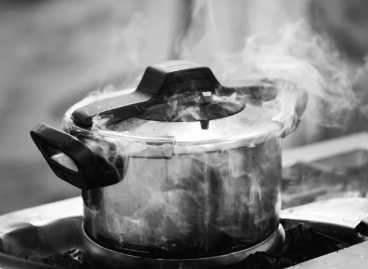
Pressure cooking and boiling might seem like two versions of the same idea, but what happens to the nutrients inside your food during each process tells a very different story. The method you choose in the kitchen matters more than most people realize, and the science behind that choice is both fascinating and surprisingly practical.
Both methods use heated water to cook food, but they operate on fundamentally different principles. Boiling is an open process where food sits submerged in water at around 100 degrees Celsius for an extended period. Pressure cooking seals everything inside a pressurized chamber where steam raises the internal temperature to 120 degrees or higher, cutting cooking time by as much as 50 to 70 percent compared to boiling. That difference in time and environment has significant consequences for what ends up on your plate.
How pressure and boiling affect nutrients differently
The biggest nutritional disadvantage of boiling is leaching. When food sits in a large volume of water at high heat for a prolonged period, water-soluble vitamins and minerals migrate out of the food and into the surrounding liquid. Vitamin C losses from boiling leafy greens like spinach can reach as high as 71 percent. B vitamins follow a similar pattern. Minerals like potassium, magnesium, and zinc also dissolve into the cooking water. Unless that liquid is consumed as part of a soup or stew, those nutrients are simply lost.
Boiling also exposes food to continuous oxidation since the pot remains open to the air. Polyphenols and other antioxidant compounds break down under these conditions, reducing the overall nutritional value of the finished meal.
Pressure cooking addresses both of these problems at once. The sealed environment displaces oxygen through steam, dramatically reducing oxidation. The shorter cooking time limits how long heat-sensitive compounds are exposed to damaging temperatures. And because pressure cooking uses far less water than boiling, there is much less opportunity for nutrients to leach out of the food.
Where pressure cooking clearly pulls ahead
For certain foods, the advantage of pressure cooking is particularly clear. Legumes are perhaps the strongest example. Boiling beans and lentils can reduce their nutritional value while leaving behind antinutritional compounds like phytic acid, tannins, and trypsin inhibitors, substances that interfere with the body’s ability to absorb key nutrients including iron. Pressure cooking breaks down these compounds more effectively than boiling while preserving a higher total antioxidant content.
The intense heat and steam of pressure cooking also alter protein structures in ways that make them easier for the body to digest and absorb. For dense vegetables and root crops with tough cellular walls, pressure cooking achieves a level of cellular breakdown that boiling simply cannot match in the same timeframe without causing significant nutrient loss in the process.
When boiling still makes sense
Boiling is not without merit and should not be dismissed entirely. For meals where the cooking liquid is retained and consumed, such as soups, broths, and stews, the nutrients that leach into the water remain available. In those contexts, boiling can be a perfectly nutritious method with minimal waste.
The glycemic response is another consideration. Pressure-cooked grains like white rice may produce a slightly higher glycemic index than their boiled counterparts due to faster starch breakdown, which is worth keeping in mind for people managing blood sugar levels.
Ultimately the best cooking method depends on what is being cooked and how the meal is being served. For legumes, whole grains, and dense vegetables where nutrient retention is the priority, pressure cooking is the stronger choice. For lighter foods prepared in liquid dishes where the cooking water stays in the bowl, boiling holds its own. Knowing the difference puts the power of that choice back where it belongs, in your hands.