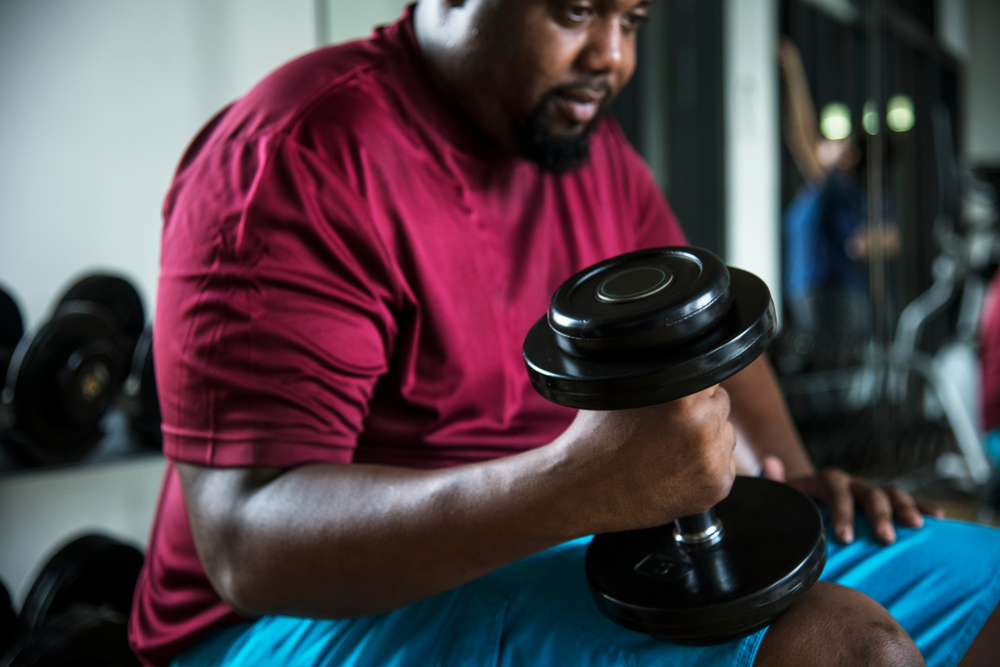
Losing weight is less about the number on the scale and more about the daily decisions that quietly add up to a life-changing transformation.
Weight loss is one of the most talked-about health goals in the world — and one of the most misunderstood. Most people approach it as a sprint when it is actually a marathon. They cut everything, push too hard, burn out in two weeks, and walk away feeling like a failure. The problem was never the person. The problem was the approach.
Real, lasting weight loss does not come from a crash diet or an extreme workout plan. It comes from building sustainable habits that the body and mind can maintain long-term. Small, consistent actions taken daily will always outperform dramatic short-term efforts that cannot be sustained.
Why Most Weight Loss Efforts Fall Short
The diet industry is built on quick fixes, and quick fixes are built to fail. Here is why so many weight loss attempts do not stick
- Extreme calorie restriction slows the metabolism over time
- Eliminating entire food groups creates unsustainable cravings
- Over-exercising without proper recovery leads to injury and burnout
- Focusing only on the scale ignores muscle gain and overall health improvements
- Lack of a support system makes it easy to quit when motivation dips
Understanding these pitfalls is half the battle. The other half is building a plan that works with the body, not against it.
The Weight Loss Habits That Actually Stick
Sustainable weight loss is built on habits, not willpower. Willpower runs out — habits do not. The following practices are proven to deliver real results over time
- Prioritize protein at every meal — Protein keeps the body full longer, preserves muscle mass during a calorie deficit, and requires more energy to digest. Eggs, chicken, fish, legumes, and Greek yogurt are excellent staples.
- Move daily, not just on gym days — A 20-minute walk, taking the stairs, or stretching between tasks all contribute to overall calorie burn. Movement does not have to be intense to be effective.
- Drink water before meals — Hydration is consistently underrated in weight loss. Drinking water before eating reduces calorie intake naturally and supports every metabolic function in the body.
- Sleep seven to nine hours nightly — Poor sleep disrupts hunger hormones, increases cravings for high-calorie foods, and makes fat loss significantly harder. Sleep is not optional — it is part of the plan.
- Track progress beyond the scale — Measurements, energy levels, strength gains, and how clothes fit are all meaningful indicators of progress that the scale cannot capture.

Nutrition Without the Obsession
Food is not the enemy. The relationship with food matters just as much as what is being eaten. Restrictive thinking around food often leads to binge cycles that undo progress and damage mental health. A healthier framework looks like this
- Eat whole, minimally processed foods most of the time
- Allow room for enjoyment without guilt — one meal does not define progress
- Focus on adding nutritious foods rather than obsessing over what to cut
- Eat slowly and stop when satisfied, not stuffed
- Plan meals ahead to reduce impulsive, high-calorie choices
The goal is not a perfect diet. The goal is a consistently good one that can be maintained for life.
Weight Loss Is a Mental Game Too
The physical side of weight loss gets all the attention, but the mental side is where the real battle is fought. Self-doubt, comparison, and impatience are the biggest obstacles most people face — not the workouts or the meals.
A few mindset shifts that make the journey more sustainable
- Progress is not linear — expect plateaus and keep going anyway
- Comparison to others is the fastest way to lose motivation
- Every healthy choice is a vote for the person being worked toward
- Rest days and setbacks are part of the process, not signs of failure
- The goal is a healthier life, not just a smaller body
Weight loss that lasts starts in the mind. When the internal narrative shifts from punishment to self-care, everything about the journey changes. The gym becomes less of a chore and more of a commitment to the future self. The meals become less about restriction and more about fuel.
Showing up imperfectly, consistently, is always enough. The transformation is already happening — even on the days it does not feel like it.