The simple act of sitting down to play with a child is one of the most transformative investments a parent can make in their well-being.
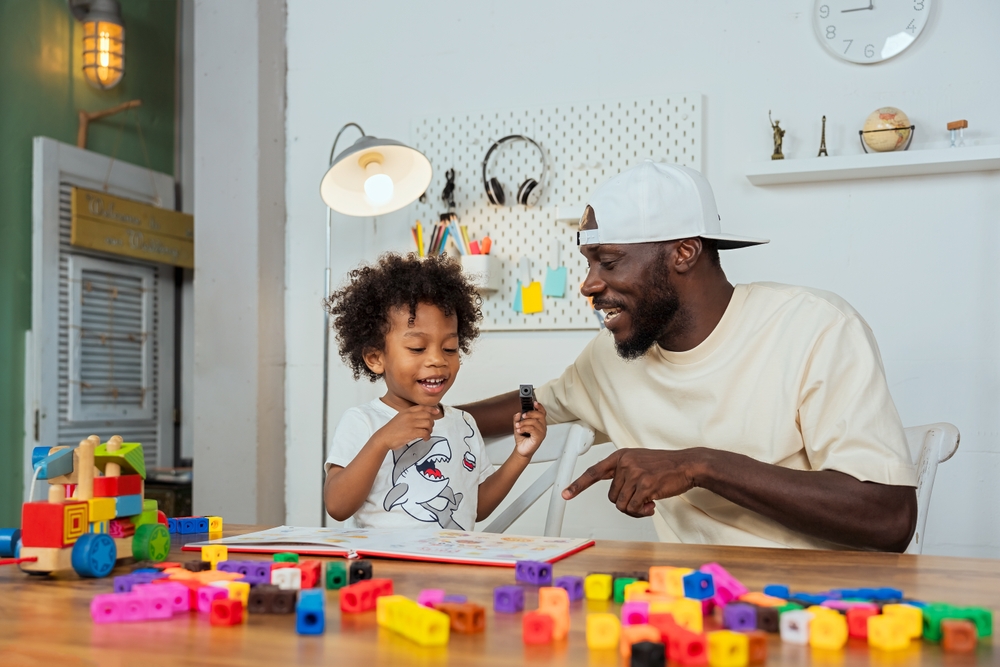
Most parents think of playtime as a break from serious parenting. The truth is the opposite. When a father pulls up a chair, points at a picture book, and shares a laugh over colorful building blocks, something profound is happening beneath the surface. It is not just fun — it is fuel for a child’s brain, emotional health, and lifelong confidence.
Why Playtime Is Serious Child Development
Researchers in child psychology have long established that play is the primary way young children learn about the world. During playtime, children develop critical thinking, creativity, and problem-solving skills — all without realizing they are doing any of it.
The benefits go well beyond cognitive growth. Regular playtime helps children regulate emotions, build patience, and develop social skills that carry into adulthood. When a parent is actively involved, those benefits multiply significantly. A child who feels seen and engaged during play develops a stronger sense of security and self-worth.
What Happens in the Brain During Playtime
The brain of a young child is extraordinarily receptive. During active playtime, neural pathways form at a rapid rate — connections that shape language development, memory, and emotional intelligence.
Here is what science says happens during engaged parent-child play
- Language skills sharpen — narrating play and asking questions expands vocabulary faster than screen time ever could
- Attention spans grow — following the rules of a game or completing a puzzle builds focus gradually
- Creativity flourishes — open-ended toys like blocks and art supplies activate imaginative thinking
- Stress hormones drop — laughter and physical play naturally reduce cortisol levels in both child and parent
- Bonding deepens — consistent playtime builds trust and attachment that anchors a child’s emotional development
The Role of Fathers in Playtime and Well-Being
Father involvement during playtime carries its own distinct impact. Research shows that children who regularly engage in play with their fathers tend to develop stronger emotional resilience and better social skills compared to those with limited paternal engagement.
Fathers often bring a different energy to playtime — more physical, more spontaneous, and more challenge-oriented. That dynamic pushes children to take healthy risks, try new things, and build confidence through small wins. A dad pointing at a book and celebrating a child’s response, as simple as that moment looks, is actively rewiring how that child sees themselves.
How to Make Playtime Count Every Single Day
Meaningful childhood engagement does not require hours of free time or expensive toys. What matters most is presence and intentionality. Even twenty focused minutes of daily interaction produces measurable developmental benefits.
A few ways to make the most of these moments
- Put the phone down completely — undivided attention signals to a child that they are the priority
- Follow the child’s lead — letting kids direct the play builds autonomy and decision-making skills
- Ask open-ended questions — instead of yes or no, ask what, why, and how to spark deeper thinking
- Mix it up regularly — rotate between physical play, creative play, and reading to stimulate different areas of development
- Stay on the floor — literally getting on a child’s level communicates respect and openness
Playtime Is a Well-Being Tool for Parents Too
The benefits of playtime do not belong to children alone. Parents who regularly engage in active play with their kids report lower stress levels, greater emotional connection, and a stronger sense of purpose in their parenting role.
Play creates a rare pocket of joy in an otherwise demanding day. It strips away the pressure of performance and replaces it with something simple — two people, a table full of colorful blocks, and genuine laughter. That kind of presence is healing for everyone involved.
The parents who prioritize playtime are not just raising smarter, happier children. They are also investing in their own well-being in one of the most natural ways possible.