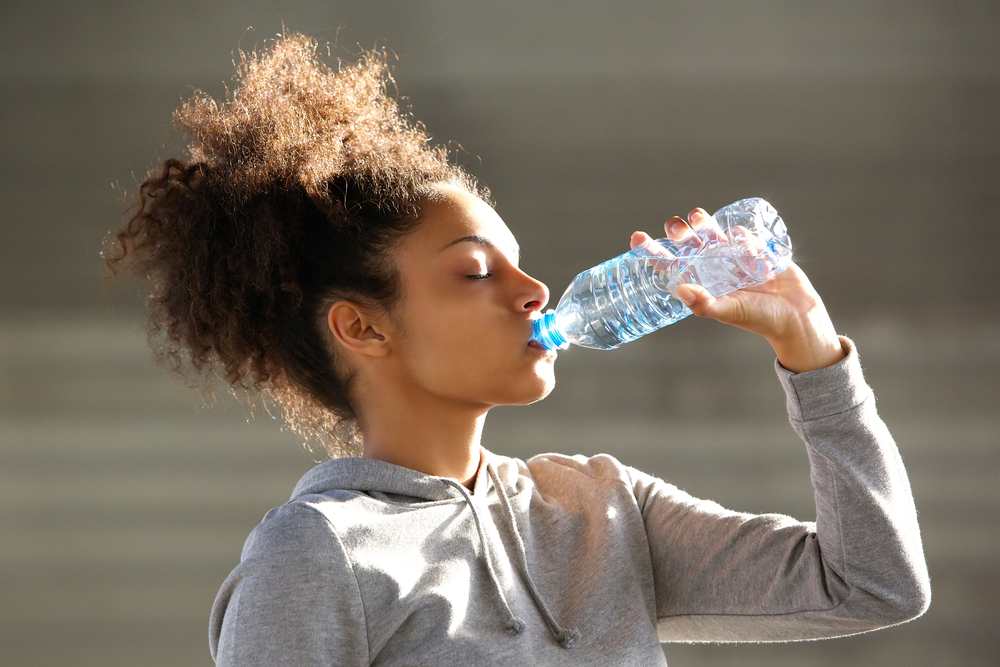
Water is one of the most accessible health tools available and one of the most misunderstood. Most adults grew up hearing that eight glasses a day was the gold standard, but that figure has long since been outpaced by more nuanced guidance. Depending on who you are, where you live, and how active you are, your body likely needs considerably more.
To cut through the confusion, three registered dietitians weighed in on how much water adults actually need, how to recognize dehydration, and the practical strategies that make consistent hydration easier to maintain.
How much water do you actually need each day?
According to estimates from the National Academies of Sciences, Engineering, and Medicine, the average healthy adult living in a temperate climate needs about 92 ounces or 11.5 cups of fluid per day if they are a woman, and approximately 124 ounces or 15.5 cups per day if they are a man. These are not water only targets; they account for all fluid sources, including food and other beverages.
It is also worth noting that these figures were developed with sedentary individuals in mind. The moment you factor in regular physical activity, hot or humid weather, high altitude, illness, pregnancy, or breastfeeding, your needs climb further. Eating a high sodium diet or consuming caffeinated beverages can also increase how much fluid your body requires throughout the day.
How to tell if you are drinking enough
One of the most reliable and cost free hydration checks requires no device at all. Urine color is a straightforward indicator, a pale, straw like yellow typically reflects good hydration, while a deeper yellow or amber shade suggests the body is running low on fluids. Darker colors toward brown indicate more significant dehydration.
Beyond urine color, common signs that the body needs more water include fatigue, persistent thirst, dry skin, chapped lips, headaches, muscle cramps, lightheadedness, and an elevated heart rate. Anyone who is regularly experiencing several of these symptoms may want to speak with a physician, who can order blood or urine testing to assess hydration status more precisely.
What water actually does for your body
Hydration supports every single cell in the body, from large-scale processes like waste removal to finer functions like temperature regulation. Virtually no system operates well without adequate fluid.
Among the most significant functions water performs in the body: it regulates temperature, lubricates joints and tissues, supports brain and kidney function, aids digestion and nutrient absorption, helps flush out waste, boosts metabolism, and plays a meaningful role in physical performance, including endurance and strength. A 2023 study also found that older adults who consistently met their hydration needs were less likely to develop chronic health conditions and more likely to live longer than those who did not.
Realistic strategies to stay hydrated
For anyone who struggles to drink enough throughout the day, small adjustments to routine tend to be more effective than willpower alone.
Carrying a large water bottle ideally one or two liters eliminates the friction of repeated refills and makes it easier to track intake visually. Setting a phone alarm to prompt regular drinking is another approach favored by dietitians, particularly for people whose schedules make it easy to go hours without thinking about fluids.
Starting the morning with a glass of water before reaching for coffee can also build a strong hydration habit early in the day. For those who find plain water unappealing, infusing it with cucumber, mint, strawberries, or citrus adds flavor without added sugar. Hydration does not have to come exclusively from liquids water rich foods like oranges, berries, bell peppers, and zucchini all contribute meaningfully to daily intake.
Other satisfying alternatives include herbal teas, coconut water, broth based soups, smoothies, and homemade mocktails made with sparkling water and fresh fruit. Milk, which combines water with protein and fat, has also been shown in research to be particularly effective for post exercise rehydration.
When too much water becomes a problem
Overhydration is far less common than dehydration, but it is possible. When the body takes in more water than the kidneys can process, sodium levels in the blood become diluted a condition called hyponatremia that can, in severe cases, be life threatening. Endurance athletes, including ultramarathon runners and triathletes, are among those most at risk, as are individuals with certain medical conditions such as congestive heart failure, liver disease, or kidney disease.
Warning signs of overhydration include nausea, headaches, confusion, muscle cramps, and drowsiness. Anyone in a high-risk category should discuss appropriate fluid targets with a healthcare provider rather than relying on general guidelines.
Ultimately, hydration is less about hitting a precise daily number and more about listening to the body, building consistent habits, and understanding that what counts as enough varies considerably from one person to the next.