Ian Ferguson was not worried about his health. The 37-year-old Miami safety manager had no symptoms, no nagging concerns and no particular reason to schedule a physical beyond the fact that it had simply been a while. What he got back from that unremarkable visit, however, was anything but routine.
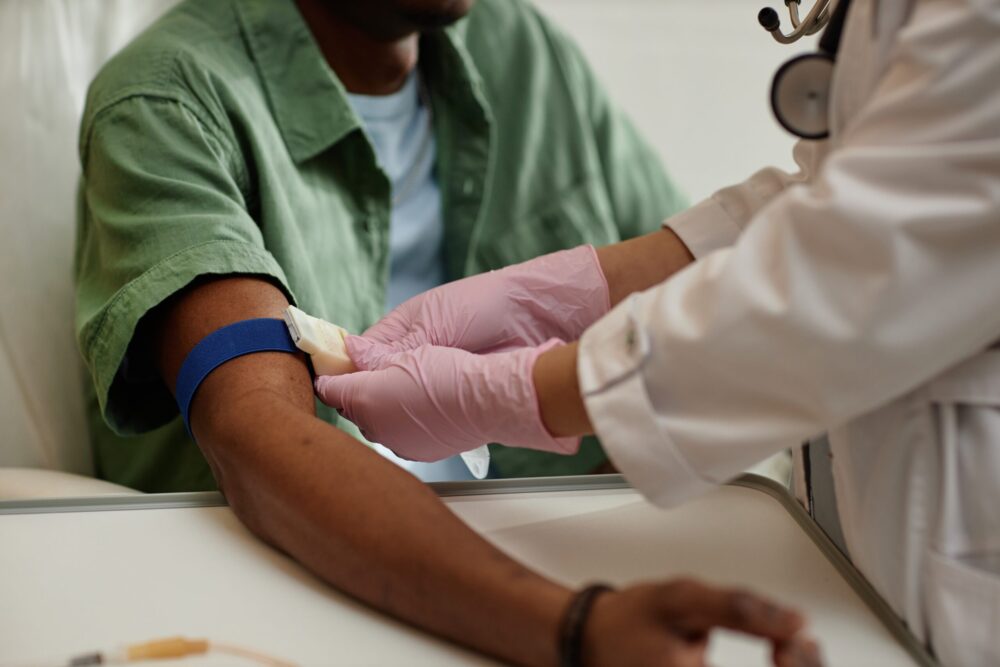
Standard blood work flagged microscopic blood loss in his results. His physician recommended a colonoscopy. That procedure revealed early-stage colon cancer, and Ferguson was taken into surgery at Mount Sinai Medical Center in Miami before the disease had any opportunity to progress.
He is now cancer-free.
The warning signs he almost explained away
Looking back, Ferguson acknowledges that there may have been subtle signals he had written off entirely. Fatigue, for instance, had been easy to rationalize. He was hitting the gym regularly, starting a new job and in the middle of a move. There was always something to blame for feeling a little worn down, and a visit to the doctor never made the list.
After the initial blood work raised a flag, doctors asked him to return the following week after starting iron supplements. When the numbers did not shift in the expected direction, and given his age, family history and the rising rate of abdominal cancer among younger men, a colonoscopy was recommended. A growth was found. Surgery followed. And because the cancer was caught so early, he required neither chemotherapy nor radiation.
A surgeon seeing a troubling shift
The colorectal surgeon who treated Ferguson at Mount Sinai says Ferguson’s case is no longer an outlier. Earlier in her career, she might encounter one or two young colorectal cancer patients in a year. Now she is seeing one to two cases every single month. The shift has been sharp enough that she suspects something environmental is driving it, though no single cause has been identified. She has treated triathletes and vegans alike, patients who by most conventional measures would be considered low risk.
Persistent anemia is often the first warning sign in younger patients, she notes, and it accounts for roughly nine out of ten colonoscopies she performs. Most people diagnosed in early stages have no symptoms at all. Those who do show symptoms tend to already be dealing with more advanced or metastatic disease, which makes early detection through bloodwork all the more critical.
Where the cancer hides and what to watch for
The location of a tumor within the colon can dramatically affect whether a patient notices anything unusual. Right-sided cancers can reach an advanced stage with almost no outward signs, largely because that section of the colon is wider and stool remains more liquid there, making it easier for tumors to grow undetected. Left-sided cancers are more likely to produce noticeable changes such as bowel irregularities, cramping or blood in the stool.
The surgeon recommends that adults get a routine complete blood count and basic metabolic panel annually or every other year, regardless of age or how healthy they feel. She also points to lifestyle as a meaningful factor. A high-fiber diet and regular exercise offer measurable protection. Processed meats, on the other hand, have been linked to a significantly elevated risk of colon cancer and are worth cutting back on or eliminating altogether.
Ferguson’s message is simple
Ferguson does not frame his experience as extraordinary. He went to a doctor, followed through on the recommendations and caught something deadly before it could grow. His advice is equally straightforward. Get the blood work done. There is no good reason not to, and as his story makes plain, there may be every reason to.